
Light Requirements
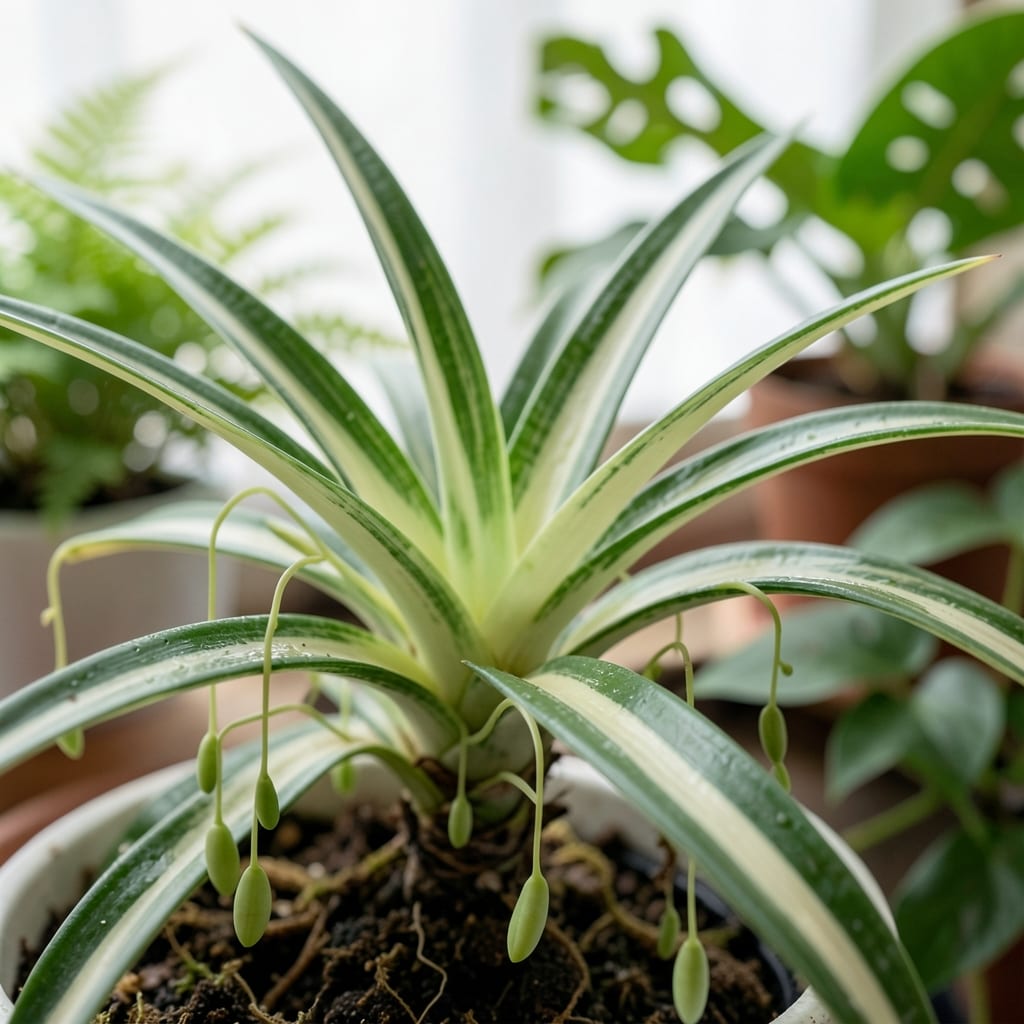
Spider plant light requirements: ideal brightness levels for healthy growth
Spider plants (Chlorophytum comosum) are famously low-maintenance, but their light needs are the secret to vibrant growth. Unlike sun-loving succulents, these plants thrive in bright indirect light—think dappled sunlight filtering through sheer curtains. Too little light weakens their leaves, while direct sun scorches them. The key? Mimicking their natural understory habitat where they grow beneath taller trees.
In my experience, the perfect spot for a spider plant is near an east-facing window where morning sun gently warms the leaves without harsh afternoon rays. North-facing windows work too, offering consistent soft light. Even west-facing windows can work if you place the plant 3-4 feet away to diffuse the intensity.
Here’s how to spot light stress in your spider plant: Yellowing leaves often signal too much direct sun, while dull, pale foliage means it’s craving more brightness. Leggy growth with sparse leaves? That’s a cry for more light exposure. The good news? Spider plants are forgiving—they’ll recover if you adjust their spot quickly.
🌱
| Light Condition | Ideal Placement | Leaf Health | Growth Impact |
|---|---|---|---|
| Bright Indirect Light | 2-3 ft from east/north window | Deep green, striped variegation | Compact, bushy growth |
| Low Light | Corner away from windows | Pale, weak, no stripes | Leggy, sparse foliage |
| Direct Sun | South/west window, no filter | Brown crispy edges | Stunted, burned tips |
| Artificial Grow Lights | 12-14 inches below LED | Bright green, healthy stripes | Steady growth year-round |
If your spider plant is surviving but not thriving, it’s likely in low light. Move it closer to a window or supplement with a 10-12 hour grow light (LED bulbs work best). I’ve seen spider plants bounce back in just 2-3 weeks when given the right light—proof that even neglected plants can recover with the right care!
For variegated varieties like 'Variegatum', bright indirect light is non-negotiable. These plants need more light to maintain their striking white stripes, which fade in dim conditions. Think of it like a vitamin boost—the brighter the light, the more vibrant their colors.
Pro tip: Rotate your spider plant quarter-turns every 2 weeks to ensure even light exposure. This prevents lopsided growth and helps the plant grow symmetrically. I’ve noticed my spider plants develop fuller foliage when rotated regularly, almost like they’re stretching toward the light!
🌿
One common misconception is that spider plants can thrive in complete darkness. While they’re low-light tolerant, they won’t grow well or produce those iconic baby spiderettes (pups) without some light. If your plant is in a dim office, consider moving it to a hallway near a window or adding a small LED desk lamp for a few hours daily.
Finally, remember that seasonal light changes affect your spider plant too. Shorter winter days mean less natural light, so you might need to adjust its position or extend artificial lighting. I keep mine under a grow bulb during winter months to maintain its energy levels.
☀️
3 Best lighting solutions for spider plants in different homes
Finding the perfect spot for your spider plant depends on your home’s natural light. While they’re famously adaptable, even these resilient plants need the right setup to flourish. Let’s explore three proven lighting solutions—whether your space is bright, dim, or somewhere in between.
First, consider your window direction. East-facing windows provide gentle morning sun, while north-facing windows offer consistent indirect light all day. Both are ideal for spider plants, but what if your home lacks these? Don’t worry—we’ve got workarounds for every scenario.
If your home only has south or west-facing windows, direct sunlight can scorch your spider plant’s leaves. To fix this, position your plant 4-5 feet away from the window or use a light-colored curtain to filter the intensity. Even better, place it near a reflective surface, like a white wall or mirror, to bounce extra light toward the plant.
For apartments or offices with low natural light, artificial grow lights are a game-changer. A 12-inch LED grow light placed 6-12 inches above your spider plant mimics natural sunlight. Run it for 12-14 hours daily to keep your plant happy—just avoid keeping it on 24/7, as spider plants need darkness to rest.
Pro tip: Group plants together to create a mini indoor garden. Spider plants release oxygen at night, and clustering them boosts humidity, which they love. Just avoid overcrowding—aim for 1-2 inches of space between leaves for airflow.
Finally, if your spider plant starts looking leggy or pale, it’s begging for more light. Move it closer to a window or supplement with a grow bulb in a desk lamp. With these solutions, even the dimmest corner can become a thriving spider plant haven! 🌿