
Plants
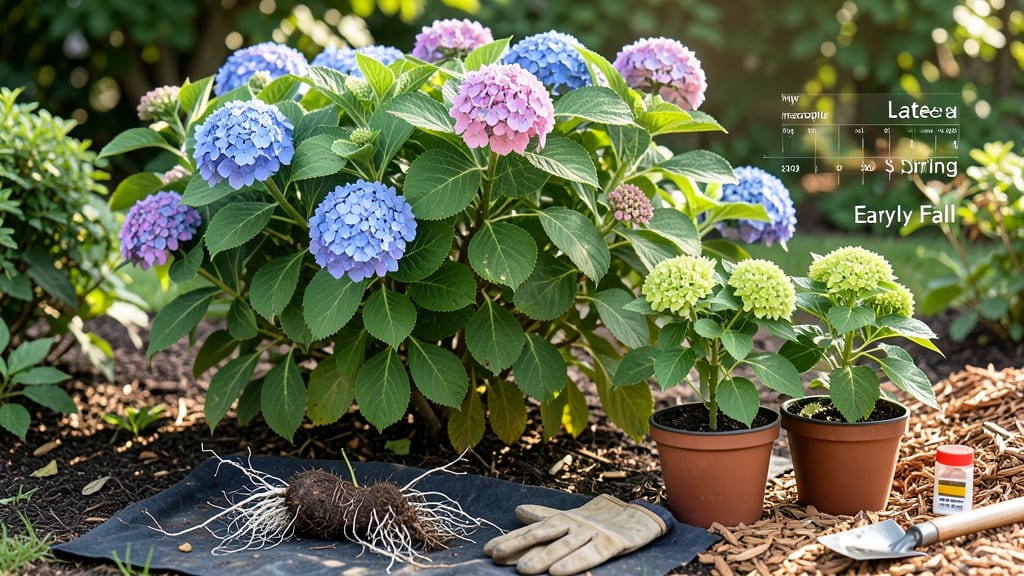
Timing your hydrangea planting in Seattle isn’t just about the calendar—it’s about beating those unpredictable frosts that can sneak in even after May. With Zone 8a’s mild but tricky climate, one wrong move could leave your 🌸 shrubs struggling before they even bloom.
The good news? By planting in the right window—whether it’s the cooler days of April-May or the crisp air of September-October—you’ll give your hydrangeas the perfect head start.
But here’s the catch: Seattle’s microclimates mean what works in Ballard’s coastal breeze might fail in South Lake Union’s urban heat. I’ll break down exactly when to dig in your yard (or container) based on your neighborhood’s quirks, so you can avoid the most common mistakes.
Whether you’re a first-time gardener or a seasoned green thumb, these insights will help you grow hydrangeas that thrive year after year.
We’ll also cover the pro tips to protect your plants from late frosts—like mulching strategies and when to prune—so you can enjoy those lush blooms without the stress. Ready to turn your Seattle garden into a hydrangea haven? Let’s get started.
From soil prep to frost-proofing, this guide gives you everything you need to plant with confidence. No more guessing games—just vibrant, healthy hydrangeas that make your outdoor space pop.
Seattle’s best hydrangea planting windows by variety (frost-free secrets)
Seattle’s Zone 8a climate creates a 165-day frost-free window, but timing matters more than ever for hydrangeas. The last frost date typically lands between March 15 and April 15, while first frosts arrive as early as November 15.
Your best bets? Planting in April-May or September-October—but the variety makes all the difference.
Bigleaf hydrangeas (Hydrangea macrophylla) thrive when planted in early spring (March-April) to establish roots before summer heat. Panicle hydrangeas (Hydrangea paniculata) are more forgiving, handling late spring (May) or even early fall (September) plantings.
Oakleaf hydrangeas (Hydrangea quercifolia) prefer fall planting (September-October) to root before winter.
Here’s how Seattle’s microclimates shift your timing—urban areas like Capitol Hill (warmer) can plant 2 weeks earlier than cooler zones like West Seattle. Elevated spots like Ballard (Zone 8b) may handle May plantings without frost risk, while low-lying South Lake Union should wait until after May 15.
Container-grown hydrangeas need 1-2 extra weeks of adjustment time. If you’re planting in pots, start in late April for spring or early September for fall to avoid transplant shock during Seattle’s cool, wet springs or dry autumns.
| Variety | Best Planting Window | Seattle Microclimate Adjustments | Soil Prep Tip |
|---|---|---|---|
| Bigleaf | March 15–April 15 | Urban areas: March 1–April 15; Rural: April 1–15 | Amend with peat moss for acidity |
| Panicle | April 1–May 15 or Sept 1–Oct 15 | Containers: Add 2 weeks to window | Well-draining soil with compost |
| Oakleaf | Sept 15–Oct 15 | Avoid after Oct 1 for root establishment | Mulch heavily post-planting |
For Bigleaf hydrangeas, aim for March 15–April 15 to give roots time to establish before Seattle’s summer heat. These varieties are sensitive to late frosts, so avoid planting after April 15 unless you’re in a warmer microclimate like Green Lake.
Always check WSU Extension’s frost maps for real-time updates.
Panicle hydrangeas are the most forgiving, handling April 1–May 15 or September 1–October 15 plantings. Their tolerance for full sun makes them ideal for exposed urban spaces like Pioneer Square, where other varieties might struggle.
If planting in containers, use self-watering pots to prevent drying during Seattle’s dry summer months.
Oakleaf hydrangeas must be planted in fall (September–October) to establish roots before winter. Their native woodland origins mean they prefer acidic, well-draining soil—mix in pine needles or composted leaves to mimic their natural habitat.
In West Seattle’s cooler zones, delay planting until September 15 to avoid early autumn rains that can rot roots.
Pro tip: Test your soil’s pH before planting. Bigleaf hydrangeas need acidic soil (pH 5.2–6.0) for blue blooms, while alkaline soil (pH 6.0–7.0) produces pink flowers. Use WSU’s soil testing kits or local nurseries like Hamm’s Garden Center for accurate readings.
Remember, Seattle’s unpredictable weather means flexibility is key. If you miss the ideal window, container planting gives you a 2-week buffer—just move pots indoors during hard frosts (use a garage or unheated shed for protection).
🌸
Microclimate hacks: how Seattle’s neighborhoods change planting timing
Seattle’s neighborhoods create distinct microclimates that can shift your hydrangea planting window by 2-4 weeks. The urban heat island effect in Capitol Hill can mean earlier planting compared to cooler coastal areas like West Seattle.
Even a 5-block difference can determine whether you’re planting in early April or late May.
Proximity to Puget Sound also plays a role—areas like Ballard experience cooler temperatures due to ocean breezes, while South Lake Union benefits from warmer urban pockets. For container growers, these microclimates matter even more since pots heat up faster in direct sun.
Here’s how to adjust your timing based on Seattle’s key neighborhoods:
| Neighborhood | Microclimate | Ideal Planting Window | Container Adjustment |
|---|---|---|---|
| Capitol Hill | Urban heat island | Early April–mid-May | Plant 1 week earlier |
| Ballard | Coastal breeze exposure | Late April–early June | Use frost cloths |
| South Lake Union | Urban warmth | March 20–April 15 | No adjustment needed |
| West Seattle | Cooler, windy | Late May–early June | Plant in sheltered spots |
For container-grown hydrangeas, microclimates matter even more. Pots heat up 10°F faster than in-ground plants, so delay planting by 1-2 weeks in hot urban areas. Use light-colored containers to reflect heat and elevate pots on stands to improve airflow.
If you’re unsure about your microclimate, observe your garden for 2 weeks before planting. Check for morning frost (common in May) and afternoon heat stress (common in July). A simple soil thermometer ($10 at garden centers) can confirm when soil reaches 55°F—the ideal temperature for hydrangea roots.
Pro tip: Fall planting (September–October) works best in cooler neighborhoods like West Seattle. The soil stays warmer longer, giving roots time to establish before winter. Just avoid planting after October 15—new growth won’t harden off before frost.