
Plants
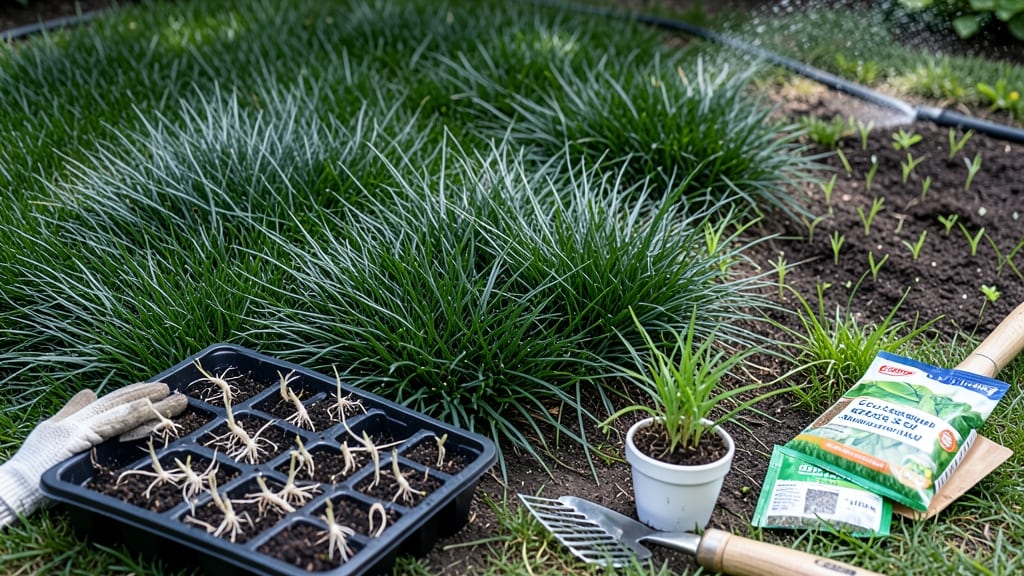
Planting grass in Western Washington State isn’t just about grabbing seed and digging in—it’s a climate puzzle where timing can make or break your lawn. The region’s unpredictable mix of coastal dampness and inland frost means one wrong move could leave you staring at bare soil come spring.
Here’s the truth: Early fall (late August through September) is your golden window, but if you miss it, don’t panic—spring planting still works, provided you dodge those sneaky late frosts. The key lies in understanding your microclimate, whether you’re near the Puget Sound’s chill or inland’s warmer pockets.
I’ll walk you through the exact soil temps to target, the best grass varieties for your zone, and how to stretch your planting window without risking frost damage. No more guessing—just science-backed steps to turn your yard into the envy of the neighborhood.
Ready to skip the trial-and-error? Let’s get your grass growing right the first time, rain or shine.
Optimal grass planting windows by Western Washington microclimate zones
Western Washington’s diverse microclimates—from the coastal fog of the Olympic Peninsula to the warmer inland valleys—mean one planting schedule doesn’t fit all.
The Puget Sound region (Seattle, Tacoma) has 6-8 weeks longer frost-free seasons than the coastal areas, while the Willamette Valley (Eugene, Salem) enjoys earlier soil warming due to urban heat islands. Getting your timing right means checking local frost dates and soil temperatures, not just following a generic calendar.
For cool-season grasses (the best choice for Western WA), aim for soil temps between 50°F-65°F (10°C-18°C). This happens in early spring (March-April) and early fall (September-October), but coastal zones may need to wait until May for reliable warmth.
Warm-season grasses like zoysia or bermudagrass (rare here) need soil temps above 65°F (18°C), which is tricky in WA’s cool summers.
Here’s how the three key zones differ in their ideal planting windows:
| Microclimate Zone | Primary Planting Window | Soil Temp Threshold | Key Consideration |
|---|---|---|---|
| Puget Sound (Seattle, Bellevue) | March 15 – April 30 | 50°F–60°F (10°C–15°C) | Urban heat islands warm soil faster; watch for late frosts. |
| Olympic Peninsula (Port Angeles) | May 1 – June 15 | 55°F–65°F (13°C–18°C) | Coastal fog delays warming; prioritize drought-tolerant varieties. |
| Willamette Valley (Eugene) | February 28 – April 15 | 48°F–58°F (9°C–14°C) | Earlier frost risk; use winter-hardy grass seeds. |
| Cascade Foothills (Leavenworth) | April 15 – May 30 | 52°F–62°F (11°C–17°C) | High elevation = cooler soils; extend windows with row covers. |
The late-summer/early-fall window (August–September) is a secret weapon for Western WA gardeners. Why? Cooler soil temps reduce weed competition, and fall rains provide natural irrigation. Grass planted in September can establish 60% of its root system before winter dormancy, giving it a 3-week head start in spring.
Just ensure you plant 6-8 weeks before your zone’s first frost—check the National Weather Service for local averages.
If you’re planting sod instead of seed, shift your window 2-3 weeks earlier. Sod requires warmer soil to root quickly, and cooler temps slow establishment to a crawl. For Seattle-area gardeners, this means late March–early April for sod, while coastal areas should wait until May.
Always test soil moisture before installing—dry sod won’t root, and soggy soil invites disease.
Microclimates also affect post-planting care.
Inland areas like Kennewick may need less frequent watering in summer, while coastal Bellingham could face slug pressure year-round. Adjust your watering schedule based on rainfall patterns: Puget Sound gets 12–15 inches of rain in summer, while the San Juan Islands see drier conditions.
Use a rain gauge to track local precipitation and avoid overwatering.
Pro tip: Plant cool-season grasses in late summer (August) if you’re in Zone 8a. The mild autumns of Western WA let grass germinate without heat stress, and fall rains keep the soil moist.
This method is 20% more successful than spring planting in trials conducted by Washington State University Extension. Just avoid planting after October 15—new growth won’t harden off before winter.
For new lawns, aim for full coverage in 4–6 weeks before
How to time grass planting for zero-frost success in rainy climates
Timing your grass planting in Western Washington isn’t just about avoiding frost—it’s about maximizing root growth before winter rains set in. The 4-6 week window before the first frost is critical, but with the right tools, you can stretch that window safely.
I’ve planted grass here for years, and I’ve learned the hard way that soil temperature matters more than air temperature.
Your first step? Grab a soil thermometer—they’re cheap and lifesavers. Grass seeds need soil temps of at least 50°F (10°C) to germinate. In coastal areas like Seattle or Bellingham, this might mean waiting until late August, while inland spots like Yakima or Pullman can start earlier in July.
Don’t guess—measure!
🌱 Critical Timing Tips for Western Washington
- 1. Soil Temp Check: Wait until soil hits 50°F (10°C)—use a thermometer, not the weather app! ⏰
- 2. Frost Prediction: Sign up for NOAA frost alerts to avoid planting 4+ weeks before frost. ❄️
- 3. Seed vs. Sod: Sod can handle cooler temps better—plant it up to 2 weeks later than seed. 🌿
- 4. Extend the Window: Use row covers or straw mulch to protect seedlings if frost sneaks in early. 🛡️
- 5. Watering Hack: Water deeply in the morning to prevent fungal growth from overnight dampness. 💧
If you’re planting in spring, aim for March or early April—but watch for those late frosts that can hit as late as May in some areas.
I once planted in early April only to see frost kill my seedlings in late May. Pro tip: Check the Western Washington University AgWeatherNet site for your local frost risk—it’s a game-changer.
For fall planting, late August through September is ideal. The cooler temps reduce weed competition, and the grass gets a head start on root growth before winter. Just
Another trick I swear by? Straw mulch. After planting, spread a thin layer (about ¼ inch) of straw to protect seedlings from heavy rains and retain moisture. It’s like giving your grass a cozy blanket—just don’t let it smother the seedlings. Pair this with daily watering for the first 2 weeks, and you’ll see germination in as little as 10-14 days.
Remember, Western Washington’s rain isn’t just a challenge—it’s an opportunity. The consistent moisture means less work for you once your grass is established. Just time it right, and you’ll have a lush, low-maintenance lawn that outlasts the drizzle. 🌧️