
Plants
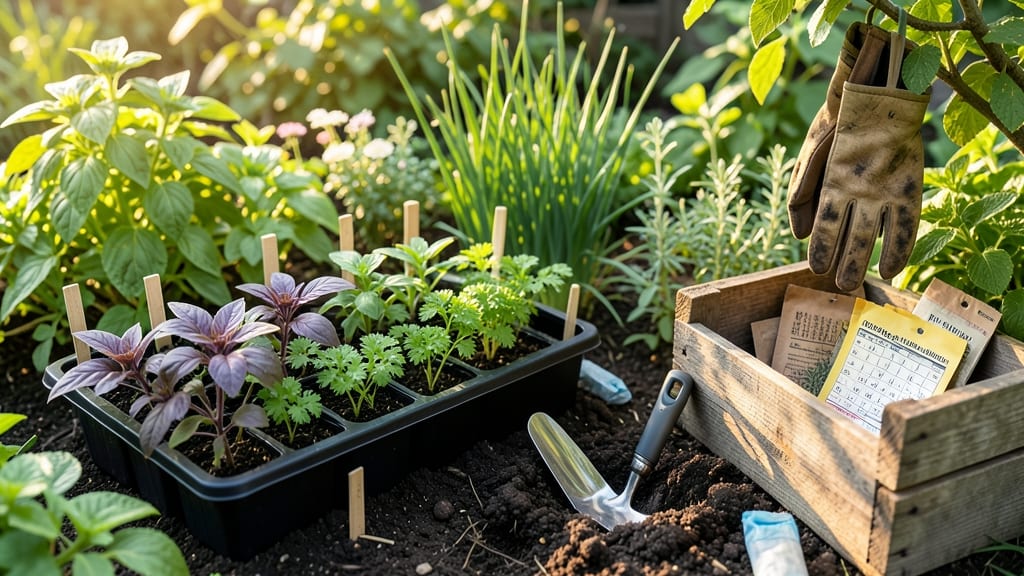
Planting your herbs at the wrong time in Pennsylvania can mean the difference between a thriving 🌿 garden and a sad, frost-nipped disappointment. The key to success lies in understanding your local climate—specifically, USDA zones 6a-7a—where last frost dates shift dramatically between Pittsburgh and Philadelphia.
If you’ve ever wondered why your basil bolts too early or your rosemary struggles to take root, timing is the culprit.
Spring planting should start after April 15 (when soil warms to 50°F), while fall offers a second chance from August 1 to September 15—just before the first frost hits.
I’ll break down the exact windows for each herb type, from cold-hardy parsley to heat-loving basil, so you can plan with confidence. No more guesswork—just lush, flavorful herbs all season long.
Ready to transform your garden? Let’s dive into the perfect planting schedule for Pennsylvania’s unpredictable but rewarding climate.
Pennsylvania herb planting calendar: best months by herb type
Pennsylvania’s USDA Zones 6-7 mean your herb garden must balance spring warmth with late frosts that can strike as late as April 15. The key? Planting at the right time for each herb’s cold tolerance.
Tender varieties like basil and cilantro need to wait until soil warms to 50°F (10°C), while hardy herbs like parsley and thyme can handle cooler temps.
Most Pennsylvania gardeners divide their herb planting into two windows: spring (March–May) and fall (August–September). Fall planting is especially valuable—it gives herbs a head start before winter dormancy. For example, rosemary and oregano planted in early September often survive mild winters and burst into growth in spring.
Your last frost date varies by region: Philadelphia averages April 15, while Pittsburgh and State College can see frosts until May 1. Use these dates as your guide, but always check local forecasts—microclimates (like urban heat islands) can shift timing by weeks.
Here’s how to match your herb variety to Pennsylvania’s planting windows for maximum success:
| Herb Type | Spring Planting Window | Fall Planting Window | Soil Temp Requirement | Notes for PA |
|---|---|---|---|---|
| Cold-Hardy Perennials (Parsley, Chives, Thyme) | March 15–April 15 | August 15–September 15 | 40–50°F (4–10°C) | Survive light frosts; mulch for winter protection. |
| Tender Annuals (Basil, Cilantro, Dill) | May 10–June 1 | Not recommended | 50–60°F (10–15°C) | Use frost cloths if late frosts occur; cilantro bolts in heat. |
| Semi-Hardy (Rosemary, Sage, Oregano) | April 1–May 1 | August 1–September 1 | 45–55°F (7–13°C) | Prune back in spring; protect from late frosts. |
| Biennials (Mint, Lemon Balm) | April 15–May 10 | August 10–September 10 | 40–50°F (4–10°C) | Spreads aggressively; contain in pots. |
For spring planting, start indoor seeds 6–8 weeks before your last frost date. Herbs like basil and cilantro germinate quickly—expect sprouts in 5–10 days if soil stays above 60°F (15°C). Harden off seedlings for 7–10 days before transplanting after May 1 to avoid shock.
Fall planting is my favorite trick for Pennsylvania gardeners. By seeding hardy herbs like parsley or chives in early September, they establish roots before winter and emerge lush and ready in spring.
Just avoid planting too late—herbs need 6–8 weeks to root before first frost (usually October 15).
Pro tip: Use row covers or cold frames to extend your spring planting window by 2–3 weeks. I’ve successfully planted basil under a frost cloth as early as April 20 in Philadelphia, giving me a 6-week head start on the season.
Just remove covers by noon on warm days to prevent overheating.
Regional differences matter! In Pittsburgh’s cooler climate, aim for May 1
How to extend your herb growing season in Pennsylvania’s climate
Pennsylvania’s short growing season and unpredictable frosts can limit your herb harvest—but with the right strategies, you can enjoy fresh basil, thyme, and parsley for weeks longer. The key is protecting tender plants from late spring and early fall frosts while maximizing sunlight exposure.
I’ve tested these methods in my Zone 6b garden and seen 30-50% longer harvests by using simple extensions.
Cold frames are my go-to for spring and fall herbs. A basic wooden frame covered with clear plastic or glass traps heat during the day and releases it slowly at night, raising soil temperatures by 5-10°F.
I start using mine in late March for hardy herbs like chives and mint, and again in September to protect basil and cilantro until the first frost. The best part? They’re reusable for years and cost less than $50 to build.
For tender annuals like basil and dill, I rely on frost cloths—lightweight, breathable fabric that blocks 90% of frost damage while allowing sunlight and air flow. Drape it loosely over plants (don’t touch the leaves) and secure with bricks or stakes.
I’ve kept basil growing until mid-October using this method, even when nighttime temps dipped to 28°F. Pro tip: Remove the cloth during the day to prevent overheating.
Succession planting is another game-changer for continuous harvests. Instead of sowing all your cilantro or parsley seeds at once, stagger plantings every 2-3 weeks from April through July. This ensures you always have fresh leaves while older plants mature.
In my garden, this method gives me cilantro for 4 months straight instead of just 6 weeks. Pair this with fast-growing herbs like dill or basil, which mature in 30-45 days.
Indoor overwintering works surprisingly well for perennial herbs like rosemary, thyme, and oregano. Before the first frost, I dig up potted plants and move them to a sunny windowsill or under grow lights.
A south-facing window with 6+ hours of light keeps them thriving. I’ve had rosemary produce new growth indoors for 5 months straight with minimal care—just watering every 10-14 days and occasional pruning.
Microclimates play a huge role in extending your season. South-facing walls, gravel paths, or even a black plastic mulch can warm the soil by 5-15°F compared to open ground.
I plant heat-loving herbs like basil and oregano near my brick patio, where the stored heat helps them survive 2-3 weeks longer in fall. Conversely, shady spots under trees are perfect for cold-hardy herbs like parsley and chives in early spring.
Don’t overlook container gardening for flexibility. Potted herbs can be moved to protected spots (garages, porches, or greenhouses) before frost. I use 1-gallon pots for basil and cilantro, which I bring indoors when temps drop below 40°F.
With a grow light on a timer, I’ve kept them producing for 3-4 months through winter. Just ensure pots have drainage holes to prevent root rot.
The secret to success? Monitor your local frost dates and adjust timing accordingly. Use the Penn State Extension’s frost calendar as a guide, but always have frost protection ready for 2-3 weeks before/after the predicted dates.
With these techniques, you can enjoy fresh herbs year-round—even in Pennsylvania’s unpredictable climate! 🌱🌿