
Plants
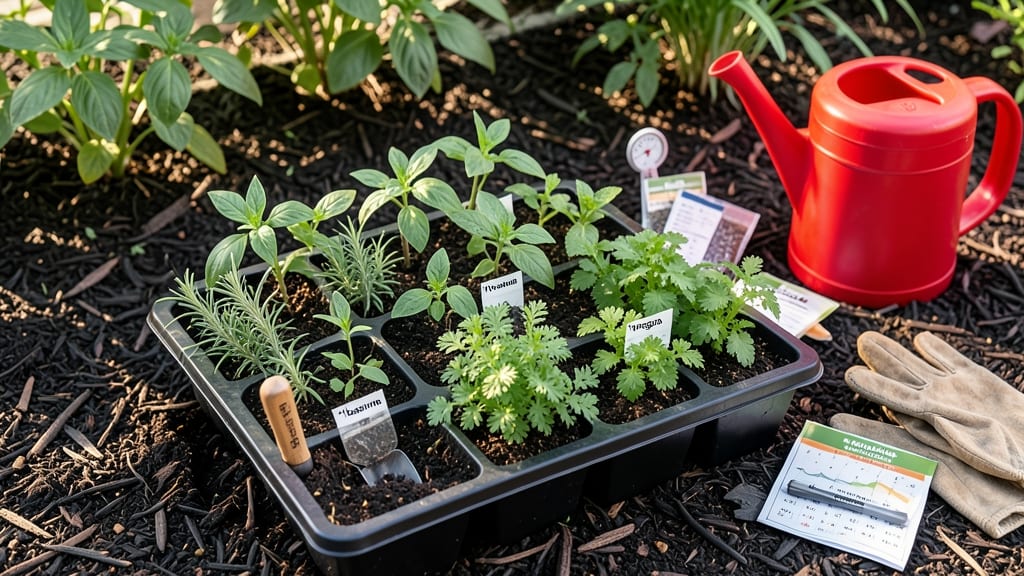
Florida’s herb planting calendar by month: best times for annuals vs perennials
Florida’s frost-free climate means you can grow herbs year-round, but timing still matters to prevent bolting, wilting, or poor growth. The state’s three distinct zones—North (Zone 8a-9a), Central (Zone 9b-10a), and South (Zone 10b-11)—each have unique microclimates that affect planting schedules.
Annual herbs like basil and cilantro thrive in cooler months, while perennials like rosemary and thyme prefer heat.
For North Florida, focus on early spring and fall planting to avoid summer heat stress. Central and South Florida gardeners can plant almost year-round, but succession planting ensures a continuous harvest. Below is your month-by-month guide to planting herbs in Florida, tailored to zone-specific conditions.
| Month | North Florida (Zones 8a-9a) | Central Florida (Zones 9b-10a) | South Florida (Zones 10b-11) | |||||||||||||||||
|---|---|---|---|---|---|---|---|---|---|---|---|---|---|---|---|---|---|---|---|---|
| January | Plant parsley, cilantro, dill (cool-season annuals). Transplant rosemary, thyme. | Direct sow basil, chives, mint. Transplant oregano, sage. | Year-round planting for all herbs. Focus on basil, lemongrass, mint. | |||||||||||||||||
| February | Sow basil seeds indoors for March transplant. Plant chives, mint. | Direct sow basil, cilantro, parsley. Transplant rosemary, thyme. | Succession plant basil, cilantro every 4-6 weeks. | |||||||||||||||||
| March | Transplant basil, oregano, sage. Avoid cilantro (bolts quickly). | Plant heat-tolerant herbs like basil, rosemary, thyme. | Harvest lemongrass, mint. Plant basil, cilantro in partial shade. | |||||||||||||||||
| April | Focus on perennials (rosemary, thyme). Shade basil from intense sun. | Succession plant basil, cilantro in containers for shade. | Plant all herbs year-round. Mulch to retain moisture. | |||||||||||||||||
| May | Avoid planting cool-season herbs. Focus on perennials and basil in containers. | Plant heat-loving herbs like rosemary, oregano, thyme. | Harvest basil, mint, lemongrass. Plant new batches every 6 weeks. | |||||||||||||||||
| June-August | Use shade cloth for basil, cilantro. Water deeply daily. | Focus on perennials and container herbs. Avoid planting seeds. | Year-round growth for rosemary, thyme, mint. Harvest frequently. | |||||||||||||||||
| September | Plant cool-season herbs (parsley, cilantro, dill) for fall harvest. | Direct sow basil, cilantro, parsley. Transplant rosemary. | Succession plant basil, cilantro for fall/winter harvest. | |||||||||||||||||
| October-November | Ideal for cool-season herbs. Plant parsley, chives, mint. | Plant all cool-season herbs. Transplant perennials. | Harvest lemongrass, mint. Plant new batches of basil. | |||||||||||||||||
| December | Plant cilantro, dill, parsley. Protect from rare cold snaps. |
How Florida’s microclimates affect herb growth: coastal vs inland planting tipsFlorida’s coastal regions—like Miami and Key West—create a unique gardening challenge for herbs. The salty ocean breeze, higher humidity, and sandy soil demand different care compared to inland areas like Orlando or Tampa. Even within USDA Zones 9a-11, these microclimates can shift your planting windows by weeks. For example, dill and parsley may struggle near the coast due to salt spray, while oregano and sage thrive inland with less moisture. Inland Florida, with its slightly drier air and richer soil, often allows for earlier spring plantings of heat-loving herbs like rosemary and thyme. Coastal gardeners, however, should delay planting until after summer’s peak humidity (June-August) to prevent fungal diseases. The key? Adjusting your schedule based on whether you’re battling salt stress or drought conditions. 🌿
If you’re gardening near the coast, prioritize container growing for herbs like basil and cilantro, which you can move away from salt spray during storms. Inland gardeners can plant perennials like rosemary in early spring (January-February) and enjoy year-round harvests with minimal fuss. For both regions, mulching with pine straw helps regulate soil moisture—critical in coastal sandy soil or inland clay. Another pro tip: Coastal gardeners should avoid planting seeds directly in garden beds during summer’s oppressive heat. Instead, start seeds indoors or in shade cloth until temperatures drop below 90°F. Inland areas can handle direct sowing in late summer (August-September) for a fall harvest, but be prepared to shade young plants during peak afternoon sun. 💧 For container gardeners in either climate, use well-draining pots with a cactus/succulent mix to prevent root rot from overwatering. Coastal containers should include a rainwater flush after storms to reduce salt buildup. Inland pots benefit from extra compost to compensate for nutrient-leaching clay soils. With these adjustments, you can grow herbs successfully year-round, regardless of whether you’re battling humidity or drought. ★★★★★4.6(15 reviews)
|