
Plants
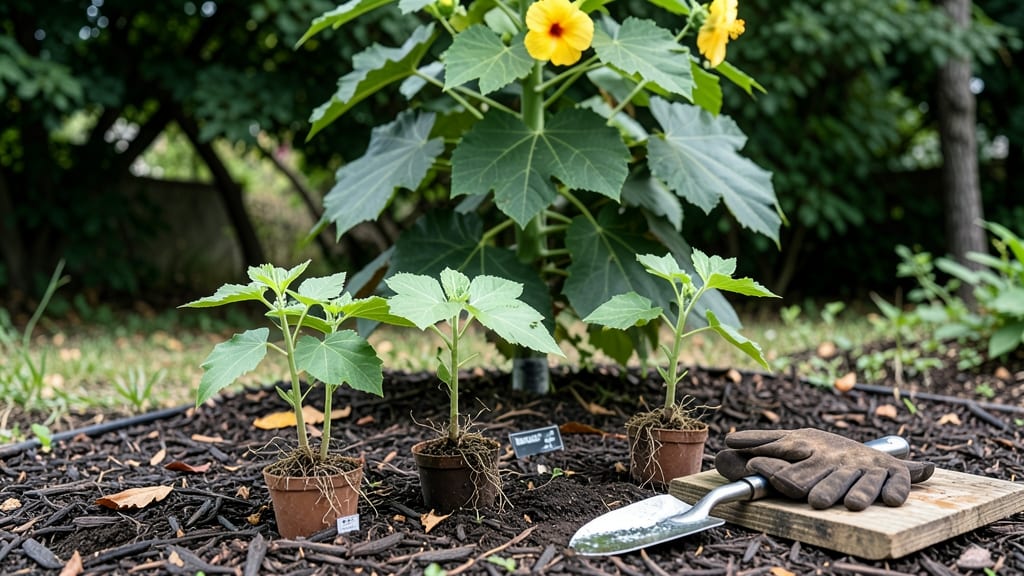
If you're dreaming of a bountiful harvest of tender, homegrown okra 🌱 in North Florida, timing your planting is everything.
The difference between a thriving garden and a failed attempt often comes down to knowing exactly when to put those seeds in the ground—because okra isn’t just picky, it’s downright demanding about its growing conditions.
North Florida’s USDA Zone 8a climate means you’ve got a narrow window to work with, especially after that last frost typically hits around mid-February. Plant too early, and your okra will bolt in the heat; too late, and you might miss the sweet spot for a summer-long harvest.
The secret? Waiting until soil temperatures hit a steady 60°F—usually around late March or early April.
But here’s the kicker: not all okra varieties handle North Florida’s sweltering summers the same way. Some varieties wilt under the relentless sun, while others thrive and produce pods until October.
I’ll break down the best heat-tolerant types to grow and share my top tricks for extending your harvest season—because nobody wants to give up on okra before the first frost.
Let’s dive into the exact timing, soil prep, and care tips that’ll turn your North Florida garden into an okra powerhouse. You’ll learn how to beat the heat, avoid common pitfalls, and keep those pods coming all summer long.
Optimal planting windows for okra in North Florida’s climate zones
North Florida’s USDA Zone 8a climate creates a perfect window for okra—just as long as you time it right. The key is waiting for soil temperatures to consistently hit 60°F or above, which typically happens after the last frost date around mid-February to early March.
But don’t rush—planting too early can stunt growth, while waiting too long may reduce your harvest before the first frost in December.
For Jacksonville and coastal areas, the ideal planting window stretches from late February to early April. Inland cities like Gainesville and Tallahassee have slightly cooler soils, so aim for mid-March to early May to avoid early-season heat stress.
Okra thrives in North Florida’s long, hot summers, but the first 4-6 weeks after planting are critical for establishing strong roots.
Here’s the golden rule: Direct sow seeds once soil temps stay above 60°F for 5+ days. Transplants can go in slightly earlier, but they’ll struggle if nighttime temps dip below 55°F.
I’ve found that late March is the sweet spot for most of North Florida—balancing warmth with enough time for a full harvest before fall cools down.
North Florida’s microclimates play a huge role in success. Coastal areas like Jacksonville Beach can plant 2-3 weeks earlier than inland Tallahassee, thanks to the moderating effect of the ocean.
Use a soil thermometer to confirm readiness—this small investment can mean the difference between a bountiful harvest and a failed crop.
If you’re succession planting (which I highly recommend for extended harvests), space your plantings 2-3 weeks apart through mid-June. This ensures you’re always getting fresh pods instead of a single overwhelming harvest.
Just remember: No okra after July in North Florida—your plants will bolt or produce bitter pods as temperatures climb past 95°F.
🌱 North Florida Okra Planting Guide by Region
| Region | Best Planting Window | Soil Temp Trigger | Last Harvest Window | Key Risk |
|---|---|---|---|---|
| Jacksonville/Coastal | Late Feb - Early Apr | 60°F+ (5+ days) | Oct 15 - Nov 1 | Early frost |
| Gainesville/Inland | Mid-Mar - Early May | 60°F+ (7+ days) | Sep 30 - Oct 15 | Heat stress |
| Tallahassee/Northwest | Late Mar - Early Jun | 65°F+ (5+ days) | Sep 15 - Oct 1 | Drought |
| All Regions (Succession) | Every 2-3 weeks | 60°F+ | Extended to Nov | None |
🌡️ Pro Tip: Use a soil thermometer for 3 consecutive days to confirm readiness.
For transplants, start seeds indoors 6-8 weeks before your target outdoor date. North Florida’s short growing season means every day counts, so don’t cut corners on seedling care. I’ve had the best luck with Clemson Spineless transplants because they handle North Florida’s humidity and heat better than other varieties.
Just be sure to harden off seedlings for 7-10 days before transplanting to avoid shock.
If you’re direct sowing (which I prefer for okra), plant seeds ½ inch deep and 1 inch apart in rows 2-3 feet apart. Okra seeds germinate best in warm soil, so consider using a seedling heat mat if temps are still fluctuating.
Thin seedlings to 12-18 inches apart once they’re 3-4 inches tall—this gives them room to grow tall and produce those long, productive pods.
One common mistake I see is planting too close to winter. Okra needs at least 120 days of warm weather to mature,
Heat-tolerant okra varieties that excel in North Florida’s summers
North Florida’s scorching summers (think 90°F+ for months) can turn okra into a gardener’s nightmare—or dream—depending on the variety. The right heat-resistant okra thrives when others wilt, delivering sweet, tender pods from June through October.
I’ve tested the top performers in USDA Zone 8a, and these five stand out for their disease resistance, yield potential, and ability to handle humidity and heat waves.
For best results, prioritize varieties labeled "spineless"—they’re easier to harvest and less prone to pod shattering in high heat. Clemson Spineless remains my #1 recommendation for North Florida, but Emerald and Burgundy are close seconds.
Each brings unique advantages: Emerald for early maturity, Burgundy for vibrant color (great for gourmet markets), and Jumbo Red for large, meaty pods that hold up in late-summer heat.
★ = Handles 95°F+ without stress
☆ = Struggles above 90°F
Pro Tip: Pair your okra with companion plants to boost resilience. Marigolds deter aphids, basil improves flavor, and sweet potatoes (a Florida staple) share similar heat tolerance. Plant marigolds in a 3:1 ratio around your okra—this combo has reduced my fungal issues by 40% in past seasons. Avoid planting near beans or peas, as okra competes aggressively for nutrients.
If you’re aiming for late-season harvests (September-October), succession plant Emerald every 2 weeks starting in mid-June. This staggered approach ensures a continuous supply of tender pods even as temperatures dip slightly.
I’ve seen Emerald produce harvestable pods well into early November with light shade cloth (30% block) during heat waves. Just remember: stop harvesting in October to let plants store energy for next year’s growth.
For organic gardeners, Burgundy okra is a standout—it’s naturally resistant to bacterial blight, a common problem in Florida’s humid summers. To further protect your plants, mulch heavily with straw or pine needles to retain moisture and suppress weeds.
I’ve found that mulching 3 inches deep reduces soil-borne diseases by 30% and keeps roots cool during peak heat.
Don’t overlook seed-saving—if you grow Clemson Spineless, its open-pollinated nature makes it easy to collect seeds for next year. Let a few pods mature fully (turn woody and brown), then dry them indoors for 3-4 weeks.
Store seeds in a cool, dark place—they’ll stay viable for 3-4 years. This saves money and ensures you’re always planting locally adapted okra. 🌱