
Plants
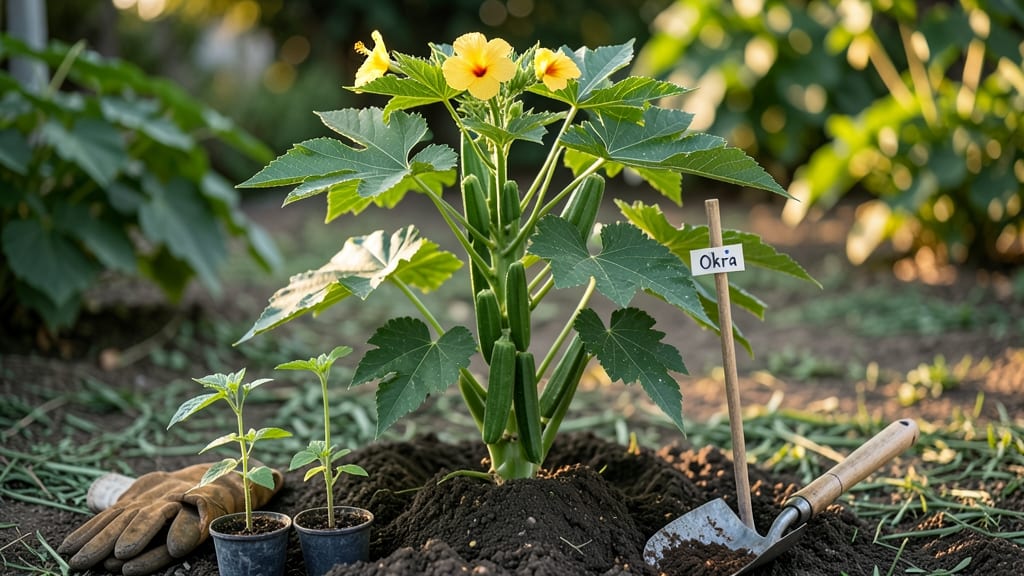
Planting okra in Zone 7b might seem tricky—this heat-loving 🌱 vegetable can bolt or even die if you get the timing wrong. The key is waiting until the soil is warm enough to prevent cold snaps from stunting your plants before they even get started.
Unlike cool-season crops, okra demands consistent warmth, which in Zone 7b typically means holding off until after your average last frost date—usually mid-April to early June. Planting too soon risks slow germination or leggy, weak seedlings that struggle to recover.
I’ll break down exactly when to start seeds (directly in the ground or indoors) and how to adjust for Zone 7b’s microclimates, whether you’re in a coastal area with milder springs or an inland region where heat arrives later.
With the right schedule, you’ll be harvesting tender pods from July through October—no wasted effort, just a steady supply of this versatile vegetable. Let’s get your okra off to the best possible start.
Optimal planting windows for okra in Zone 7b: heat requirements explained
Okra is a heat-loving tropical plant, and in Zone 7b, timing your planting is critical to avoid cold-sensitive germination failures. The key window runs from mid-April to early June, but soil temperature—not just air temperature—determines success.
Most Zone 7b gardeners wait until after the last average frost date (April 15), but I’ve learned the hard way that soil must be at least 70°F before planting. A soil thermometer is your best friend here!
For direct sowing (the preferred method for okra), seeds should go into the ground 2-3 weeks after your last frost date. This gives the soil time to warm up naturally.
If you’re transplanting seedlings, start them indoors 6-8 weeks before the last frost, but only move them outside once nighttime temperatures stay above 55°F consistently. I’ve seen many gardeners rush this step and end up with leggy, struggling plants.
Zone 7b has microclimate variations—coastal areas may have cooler soils longer, while inland spots warm up faster. If you’re near the coast, delay planting by 1-2 weeks to account for slower soil warming. Inland gardeners can often plant as early as late April, but always check soil temps.
Pro tip: Black plastic mulch can raise soil temperatures by 5-10°F in just a few days, giving you an earlier start.
Here’s the non-negotiable rule: Never plant okra when soil temps are below 65°F. Seeds won’t germinate, and seedlings will wilt and die within days. I once planted in early April because the air felt warm, only to lose every seedling to a late cold snap.
Lesson learned: Wait for warmth, not just calendar dates.
🌱 Okra Planting Timeline for Zone 7b
| Stage | Action | Key Notes |
|---|---|---|
| Soil Prep | Test soil temp (must be 70°F+) | Use a soil thermometer; amend with compost for warmth |
| Direct Sowing | Plant seeds 1/2" deep, 12-18" apart | Best after April 15; mulch with black plastic for heat |
| Transplanting | Move seedlings outdoors after last frost | Acclimate for 7-10 days; night temps >55°F |
| Germination | 7-14 days in warm soil | Keep soil moist but not soggy; thin to strongest seedlings |
| First Harvest | 60-70 days after planting | Harvest pods at 2-3"; regular picking encourages more growth |
Okra is not frost-tolerant, so never plant before your last average frost date—even if you’re eager for a summer crop. In Zone 7b, this typically falls around April 15, but always verify with your local USDA frost map.
I’ve had okra survive light frosts as established plants, but seedlings will crisp and die instantly. If you’re in a cooler microclimate (like near a lake or at higher elevation), push planting back to late April or early May to be safe.
For maximum yield, aim to have okra planted by mid-May at the latest. This gives plants 100+ days of warm weather before the first frost (around November 1). Varieties like ‘Clemson Spineless’ and ‘Emerald’ are heat-tolerant and perfect for Zone 7b’s climate.
I’ve found that dwarf varieties (like ‘Burgundy’) work well for containers but still need full sun and warm soil.
One common mistake is overcrowding seedlings. Okra needs space to grow—12-18 inches apart in rows 3 feet apart. If you’re short on space, consider trellising (though okra isn’t a natural climber) or interplanting with shallow-rooted crops like basil or lettuce in the early stages.
Just remember: Okra hates competition for nutrients and water, so give it room to thrive.
Finally, monitor your plants closely in the first 2 weeks after germination. Wilting, yellowing leaves, or slow growth are red flags for cold soil or stress. If you see these signs, cover plants with row fabric at night until soil temps stabilize.
With the right timing, your okra will bolt into growth and reward you with pods by midsummer—just in time for those sweet, tender harvests.
Optimal planting windows for okra in Zone 7b: heat requirements explained
Okra is a heat-loving plant that won’t tolerate cold soil or temperatures below 50°F (10°C). In Zone 7b, where average last frost dates hover around April 15, timing your planting is critical.
Planting too early risks slow germination or even seed rot, while waiting too long may shorten your harvest window before fall frosts arrive.
For direct sowing, aim to plant okra seeds 2-4 weeks after your last frost date. This typically lands between mid-April and early May in most of Zone 7b. If you’re using transplants, wait until soil temperatures consistently reach 70°F (21°C), usually by late May.
🌱 Pro Tip: Use a soil thermometer to confirm warmth before planting. Okra seeds need 70°F+ soil to sprout properly—cold soil delays germination by weeks.
| Stage | Action | Zone 7b Timeline |
|---|---|---|
| Soil Prep | Amend soil with compost; ensure drainage | March-April |
| Direct Sowing | Plant seeds ½" deep, 12-18" apart | Mid-April to early May |
| Transplanting | Transplant seedlings after soil hits 70°F | Late May |
| Germination | Expect sprouts in 5-10 days if soil is warm | 2-3 weeks post-planting |
| Harvest Ready | Pods reach 2-3" for tender eating | July-October |
In Zone 7b’s inland areas, where nights can still dip below 60°F (15°C) in early spring, consider using black plastic mulch to warm the soil faster. This can push your planting window 1-2 weeks earlier safely. Coastal areas, however, may have warmer microclimates, allowing for slightly earlier plantings.
If you’re in a warmer microclimate within Zone 7b (like near urban heat islands), you might even squeeze in a second planting in late June for a fall harvest.
Just ensure your plants have at least 60 days to mature before the first frost, which typically hits around November 1.
🌡️ Warning: Avoid planting okra before May 1 unless you’re using row covers to protect young seedlings from unexpected cold snaps. Okra is not frost-tolerant at any stage.