
Plants
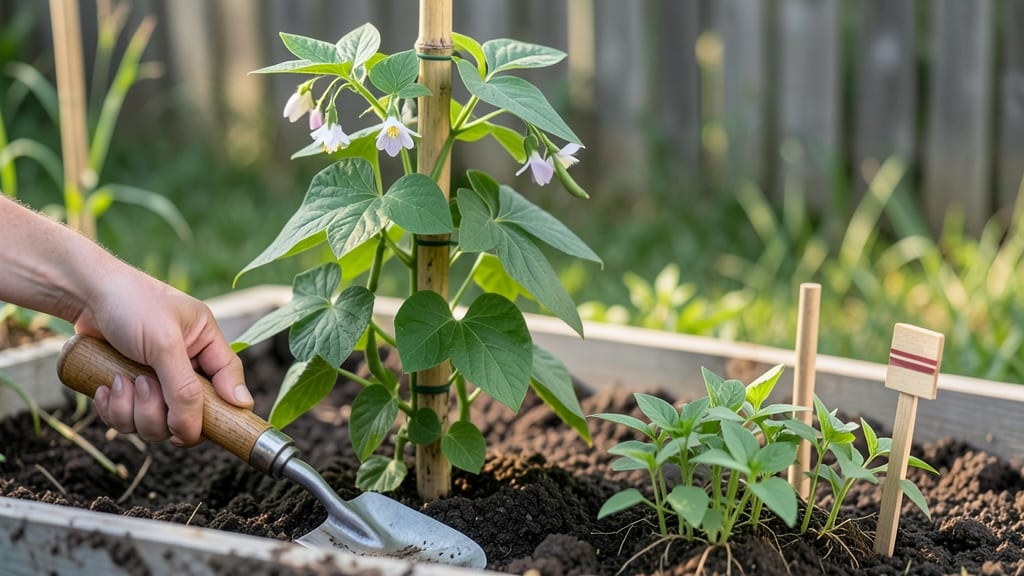
Timing your green bean 🌱 planting in Zone 8 isn’t just about throwing seeds in the dirt—it’s the difference between a bountiful harvest and bitter, stringy pods. Plant too early, and you’ll fight frost; too late, and the heat will send them bolting before you even get a taste.
Most gardeners in Zone 8a-8b swear by two sweet spots: early spring (March-April) for a summer feast or late summer (July-August) for a fall surprise. But here’s the catch—your exact window depends on whether you’re growing bush beans (quick and compact) or pole beans (climbing and patient).
I’ve tested both methods, and the results speak for themselves: staggered plantings can give you fresh beans for months, not weeks. The key? Knowing your last frost date, prepping the soil right, and avoiding common mistakes that turn your garden into a bean graveyard.
Let’s break down the exact months to plant, how to prep your soil, and the simple tricks that’ll keep your green beans 🌱 producing like crazy—no guesswork, just green bean gold.
Zone 8 green bean planting calendar: exact months for pole vs. bush varieties
Green beans thrive in Zone 8’s warm climate, but timing is critical to avoid bolting or stunted growth. Unlike cooler zones, Zone 8 offers two prime planting windows: early spring and late summer.
Each variety—pole beans and bush beans—has unique needs, from soil temperature to frost-free dates.
For Zone 8a (colder microclimates), aim for March 15–April 15 for spring plantings and July 15–August 15 for fall. In Zone 8b (warmer), you can start as early as February 20 or extend fall plantings to September 1. These windows ensure beans mature before summer’s 90°F+ heat triggers bolting.
Soil temperature is your best guide: wait until it reaches 60°F for 3+ inches deep. Use a soil thermometer—cold soil delays germination. In my garden, I test daily after the last frost date (typically March 15 in Zone 8a, March 1 in 8b).
Pole beans need longer growing seasons (80–90 days), so plant them 2–3 weeks earlier than bush varieties (50–60 days). Stagger plantings every 10–14 days for a continuous harvest. For example, if you plant Blue Lake pole beans on March 20, follow with Contender bush beans on April 5.
Here’s the breakdown of your Zone 8 planting calendar, including soil temps, frost risks, and variety-specific advice:
| Planting Window | Variety | Soil Temp Threshold | Frost Risk | Days to Maturity | Zone 8a Date | Zone 8b Date |
|---|---|---|---|---|---|---|
| Early Spring | Bush Beans | 60°F+ | Low (after March 15) | 50–60 days | March 20–April 15 | February 20–March 30 |
| Early Spring | Pole Beans | 60°F+ | Low (after March 15) | 80–90 days | March 15–April 1 | February 15–March 15 |
| Late Summer | Bush Beans | 60°F+ | High (before Nov 15) | 50–60 days | July 15–August 15 | July 1–September 1 |
| Late Summer | Pole Beans | 60°F+ | High (before Nov 15) | 80–90 days | June 15–July 15 | June 1–August 1 |
Pro Tip: In Zone 8b, you can even try a winter planting (October–November) for a January–February harvest if you use row covers to protect from light frosts. Test your soil first—it must stay above 50°F for germination.
After planting, monitor soil moisture and shade during 100°F+ heatwaves. Mulch with straw to keep roots cool and water deeply twice weekly. My Blue Lake pole beans bolted last summer when I skipped mulch—don’t make that mistake!
For extended harvests
How to avoid bolting: proven tips for extending green bean harvests in Zone 8 heat
Zone 8’s summer heat can turn your green beans into bitter, stringy stalks before you even harvest—thanks to premature bolting. This happens when plants sense heat stress and rush to flower.
But with the right strategies, you can delay bolting by 2-4 weeks, giving you a longer harvest window. Start by choosing heat-tolerant varieties like ‘Blue Lake’ or ‘Contender’, which handle temperatures up to 90°F better than standard types.
Shade cloth is your first line of defense. Use 30-50% shade during the hottest afternoon hours (12 PM–4 PM) to lower soil and air temperatures by 5–10°F. This mimics cooler spring conditions, tricking plants into delaying flowering. For bush beans, focus on afternoon shade, while pole beans benefit from morning shade to prevent wilting.
Mulching is another game-changer. Apply 2–3 inches of straw or wood chips to keep soil temperatures 5–8°F cooler and retain moisture. Dark mulches absorb heat, so opt for light-colored mulch or even white landscape fabric under organic mulch. Replenish mulch every 4–6 weeks to maintain effectiveness.
🌱 Top 5 Anti-Bolting Strategies for Zone 8
- 1. Plant in partial shade: Use 50% shade cloth during peak heat (June–August).
- 2. Water deeply at dawn: 1–1.5 inches daily to prevent stress-induced bolting.
- 3. Choose late-season varieties: ‘Blue Lake’ or ‘Mascotte’ mature slower in heat.
- 4. Avoid nitrogen spikes: Use low-N fertilizer (5-10-10) to prevent rapid, weak growth.
- 5. Succession plant in fall: Sow July–August for cooler harvests in October–November.
Watering schedules make or break your harvest. Green beans need consistent moisture, but overhead watering at night invites fungal diseases. Instead, water at dawn to give foliage time to dry. During heatwaves (above 95°F), increase frequency to every 2 days and use drip irrigation to keep soil evenly moist. A soaker hose delivers water directly to roots, reducing evaporation and stress.
Variety selection is often overlooked but critical. Bush beans like ‘Blue Lake’ bolt faster in heat, while pole beans like ‘Kentucky Wonder’ handle warmth better due to their longer growth cycle. For a double harvest, plant bush beans in spring (March–April) and pole beans in late summer (July–August). This staggered approach ensures beans mature at different times, spreading out your yield.
Finally, harvest frequently to signal plants to keep producing. Pick beans every 2–3 days once pods reach 4–6 inches. This removes the incentive to bolt and encourages more pods to form.
If you miss the window, thin older plants to redirect energy to younger ones—just be prepared for a smaller harvest.