
Plants
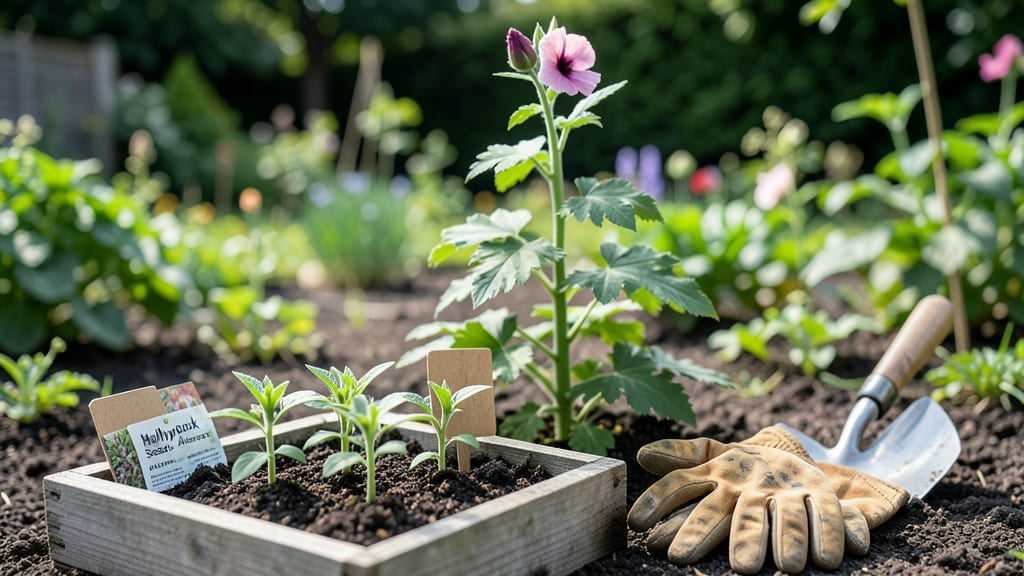
Colorado’s frost-free deadlines for hollyhock seeds by elevation Zone
Hollyhocks thrive in Colorado’s climate, but their planting deadlines shift dramatically based on elevation. The Front Range (Denver, Boulder) typically sees its last frost around mid-April, while Western Slope areas (Grand Junction, Durango) can be 2-3 weeks earlier.
High-elevation gardens in USDA Zone 5 (like Aspen or Leadville) may wait until late May—delaying risks missing the 90-day bloom window before fall frosts return.
For direct sowing, aim to plant 2-4 weeks after your area’s last frost date. Hollyhock seeds germinate best in 60-70°F soil, so wait until daytime temps consistently stay above 55°F. In Zone 6-7 (Colorado Springs, Pueblo), this usually lands in early to mid-May.
If you’re transplanting seedlings, start them indoors 8-10 weeks before your last frost date—though hollyhocks hate root disturbance, so direct sowing is ideal.
Colorado’s microclimates add complexity. Urban heat islands in Denver or Fort Collins may allow planting 1-2 weeks earlier than rural areas, while mountain valleys (like the San Luis Valley) often experience later frosts. Check local Almanac frost records or use Colorado State University’s PlantTalk tool for hyper-localized advice.
For high-altitude gardens (above 8,000 ft), consider cold-hardy varieties like ‘Chater’s Double’ or ‘Black Prince’ to extend your growing window.
Here’s a quick reference for Colorado’s key regions—use these as your planting deadlines for direct sowing:
| Region | Last Frost Date | Ideal Planting Window | Notes |
|---|---|---|---|
| Front Range (Denver, Boulder) | Mid-April | Early May | Urban areas may plant 1 week earlier |
| Western Slope (Grand Junction, Durango) | Late March | Early April | Drier climate; water deeply after planting |
| High Elevation (Aspen, Leadville) | Late May | Early June | Use row covers for early starts |
| San Luis Valley | Early May | Mid-May | Late frosts common; wait for soil warmth |
If you miss the spring window, don’t despair—hollyhocks also tolerate fall planting. Sow seeds in early September for blooms the following summer. This works best in southern Colorado (Zones 6-7), where winters are milder.
For northern zones (5 or colder), stick to spring planting to avoid winter kill. Always mulch heavily after fall planting to insulate roots.
For container growing, adjust your timeline by 2 weeks earlier—pots heat up faster and dry out quicker. Place containers in south-facing spots and use black plastic pots to absorb heat.
In high-wind areas (like the Eastern Plains), stake seedlings at planting to prevent toppling before roots establish. Wind can delay germination by 3-5 days, so monitor soil moisture closely.
Pro tip: Mark your planting date on a garden calendar and note the first bloom day. Hollyhocks typically take 90-120 days to flower, so if you plant in mid-May, expect blooms by late July or August.
In Zone 5, this may extend into early September—just before fall frosts. Use this data to plan succession plantings or row covers for extended blooms.
One common mistake in Colorado is overestimating soil warmth. Test soil temp with a thermometer—it should read 60°F+ at 2-inch depth for 3+ days before planting. Cold soil delays germination by weeks.
If temps are too cool, use black plastic mulch or a cold frame to warm the soil. This is especially critical in high-elevation gardens, where nights remain chilly even after the last frost.
Finally, consider seed viability. Hollyhock seeds lose potency after 2 years, so use fresh seeds for best results. Store leftover seeds in a cool, dry place (like a
How to extend the hollyhock growing season in Colorado’s short summers
Colorado’s short growing season and cool nights can cut hollyhock blooms short, but smart strategies help these tall beauties thrive longer. The key is choosing cold-tolerant varieties and protecting them from late frosts or early chills.
I’ve learned that succession planting and season extenders can add weeks—even months—to your hollyhock display.
Start with early-maturing varieties like 'Chater’s Double' or 'Black Prince,' which handle cooler temps better than heat-sensitive types. These varieties bloom 6-8 weeks earlier than standard hollyhocks, giving you longer color in spring before summer heat sets in.
For fall blooms, plant seeds in early September—just as summer heat breaks—so they establish roots before winter.
🌱 Extending Your Hollyhock Season: Pros & Cons
Bloom 6-8 weeks earlier; thrive in cooler temps
Protect from late frosts; extend season by 3-4 weeks
Stagger plantings for continuous blooms; ideal for short seasons
Seeds won’t mature before first frost; risk seedling death
Reduces airflow; increases disease risk in wet summers
Leads to root rot in Colorado’s clay soils; stunts growth
For late-season protection, use floating row covers or lightweight fabric to shield hollyhocks from unexpected frost. I’ve seen these extend the bloom season by 3-4 weeks in my Denver garden. Remove covers during the day to let pollinators access flowers, but secure them tightly at night.
Pair this with black plastic mulch in early spring to warm the soil faster—this gives seedlings a 2-week head start.
Don’t overlook soil preparation—amend heavy Colorado clay with compost and sand to improve drainage. Hollyhocks hate soggy roots, and our spring melt can turn gardens into mud pits. A raised bed with well-draining mix also helps, especially in high-elevation areas where cooler temps slow growth.
I’ve had hollyhocks in Fort Collins thrive in raised beds when planted in late May, while in-ground plantings struggled.
Watering strategy matters too. In dry Colorado summers, deep watering every 3-5 days encourages strong root growth. Avoid overhead watering—it promotes powdery mildew, a common hollyhock foe.
Instead, use drip irrigation or soaker hoses to deliver moisture directly to the roots. This keeps foliage dry and reduces fungal diseases by up to 50%.
Finally, deadhead spent blooms regularly to encourage more flowers. I’ve seen hollyhocks in Colorado Springs produce second flushes of blooms in late summer if I remove faded flowers promptly.
Combine this with light fertilization in early summer (use a 5-10-10 blend), and you’ll maximize your hollyhock’s potential in our short but sweet growing season.