
Plants
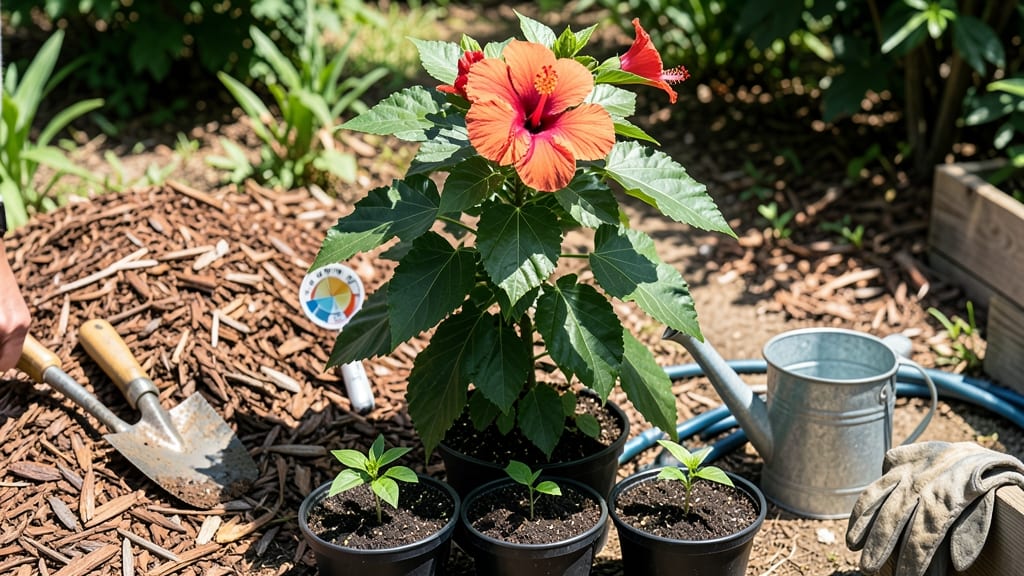
Planting hibiscus in Florida might seem like a no-brainer—after all, your year-round warmth is perfect for these tropical beauties. But timing still matters, especially when you want those vibrant 🌸 blooms to last from spring through fall without a hitch.
Here’s the thing: while Florida’s frost-free climate means you can plant hibiscus anytime, the best window depends on where you live. Coastal areas like Miami thrive with spring or early summer plantings, but even North Florida’s cooler winters (yes, they exist!) require a smarter approach to avoid stressing your plants.
Whether you’re dropping seeds, transplanting young shrubs, or repotting in containers, I’ll break down the exact months to plant for maximum blooms—and how to adjust for Florida’s microclimates. No more guessing whether your hibiscus will survive the heat or flop in the shade.
Ready to turn your yard into a nonstop hibiscus parade? Let’s dive into the Florida-friendly planting schedule that’ll have your garden bursting with color all year.
Florida’s ideal hibiscus planting windows by heat Zone
Florida’s year-round growing season makes hibiscus planting possible anytime—but timing matters for maximizing blooms. Unlike northern states, Florida’s USDA Zones 9a-11 eliminate frost risks, but regional heat zones still dictate ideal windows.
North Florida’s cooler winters (Zone 9a) differ from South Florida’s tropical climate (Zone 11), so let’s break down the perfect planting months for each.
For North Florida (Zones 9a-9b), the best planting window stretches from mid-February to early May and again from mid-August to October. This avoids late-winter cold snaps (below 30°F) that can stress young roots.
In Central Florida (Zone 9b-10a), you can plant year-round, but spring (March-May) and early fall (September-November) give hibiscus time to establish before summer’s peak heat.
Meanwhile, South Florida (Zones 10b-11) enjoys no true off-season, but June-August is ideal for container planting or shade protection during the hottest months. The key? Soil temperature—hibiscus roots thrive when soil stays above 60°F. Use a soil thermometer to check before planting.
🌱 Florida Hibiscus Planting Windows by Heat Zone
| Region | USDA Zone | Best Planting Months | Soil Temp Threshold | Avoid Planting When |
|---|---|---|---|---|
| North Florida | 9a-9b | Feb-May, Aug-Oct | Above 60°F | Dec-Jan (cold risk) |
| Central Florida | 9b-10a | Year-round (peak: Mar-May, Sep-Nov) | Above 65°F | Jun-Jul (extreme heat) |
| South Florida | 10b-11 | Year-round (peak: Jun-Aug) | Above 70°F | None (but use shade in summer) |
🌡️ Pro Tip: Use mulch to regulate soil temperature in extreme zones.
If you’re planting hibiscus from seeds, start indoors 8-10 weeks before your zone’s ideal window. For example, North Florida gardeners should begin seeds in December for a March transplant. Transplants, however, can go in anytime soil is warm, making them the easiest option for Florida’s unpredictable weather.
For container hibiscus, timing shifts slightly—plant in spring or early fall to avoid summer’s intense heat stressing roots. Move pots to shadier spots during 11 AM-3 PM when temperatures exceed 90°F. In South Florida, containers let you rotate plants seasonally for optimal sun exposure.
Don’t overlook microclimates like coastal areas, which stay warmer and more humid than inland zones. Coastal hibiscus may bloom year-round with consistent moisture, while inland plants might need extra watering during dry winters.
Always check local weather patterns—a 10-day forecast can reveal unexpected cold fronts even in Zone 11.
Finally, pruning timing ties to planting: Prune lightly in spring (after last frost risk) and heavily in late winter (Jan-Feb for North FL, Dec for South FL) to stimulate new growth before the blooming season. This ensures your hibiscus looks lush and flowers abundantly from spring to fall.
With Florida’s unique heat zones, the secret to hibiscus success is adapting to local conditions—not just following a one-size-fits-all calendar. Start with the right planting window, monitor soil and weather, and your hibiscus will reward you with bold, vibrant blooms all season long. 🌸
Signs your Florida hibiscus planting timing is perfect (or wrong)
Planting hibiscus in Florida year-round is possible, but knowing the right timing prevents stress on your plants. Look for these soil and weather cues to confirm your hibiscus is ready for planting or needs adjustment.
First, check soil temperature. Hibiscus roots thrive when soil reaches at least 65°F (18°C)—use a soil thermometer to avoid guessing. In North Florida, wait until April or May when temperatures stabilize, while Central and South Florida can plant as early as February or March.
Next, monitor weather forecasts for 3-5 days ahead. Avoid planting during heavy rain or high winds, which stress young roots. Clear skies and gentle breezes create ideal conditions for transplanting.
Watch your hibiscus for leaf drop patterns. If leaves yellow or wilt after planting, you may have planted too early when soil was still cool. Conversely, drooping leaves in extreme heat suggest overwatering—adjust your schedule for cooler mornings or shadier spots temporarily.
Another key sign: bud formation. If your hibiscus starts forming pink or green buds within 4-6 weeks of planting, timing was perfect! Delayed budding may mean insufficient sunlight or nutrient deficiency—add a balanced fertilizer (10-10-10) to encourage growth.
For container-grown hibiscus, check root growth at the drainage holes. If roots circle the pot, it’s time to transplant—spring or early summer are best for containers to avoid winter chill.
Use this quick