
Plants
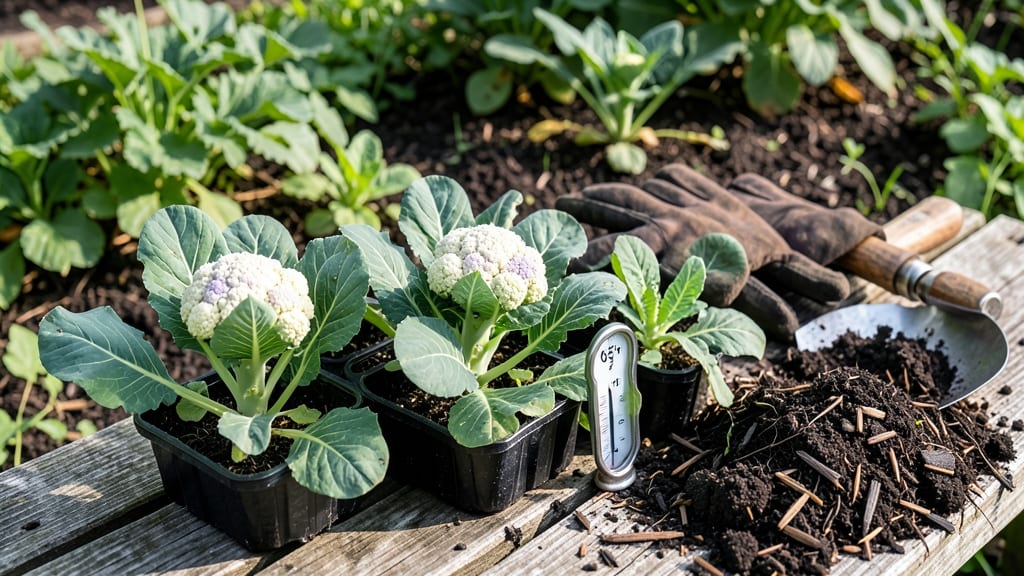
Planting cauliflower in Florida at the wrong time can turn your garden dreams into a bolting disaster—especially when summer heat arrives faster than you expect. Unlike cooler climates, Florida’s frost-free zones (9a-11) demand a precise window to grow 🥬 successfully, and missing it means either stunted plants or bitter heads.
Most gardeners in Florida swear by fall planting (September-October) as the sweet spot—when temperatures dip just enough to let cauliflower thrive without risking bolting.
But here’s the catch: your exact timing depends on whether you’re in North Florida (where frost can sneak in) or South Florida (where summer heat lingers longer).
I’ve tested the best strategies over years of Florida gardening, and I’ll share exactly how to time your planting like a pro—plus which heat-tolerant varieties actually work in our climate. No more guessing games, just foolproof results for your garden.
Ready to grow the perfect 🥬? Let’s break down the ideal months, soil prep secrets, and how to stretch your growing season—even when Florida’s heat tries to sabotage your crop.
Best planting windows for cauliflower in Florida’s climate zones
Cauliflower thrives in cool weather, but Florida’s humid heat and variable frost dates require precise timing. Unlike northern climates, you’ll focus on fall and winter plantings to avoid bolting (premature flowering) or heat stress.
The key? Plant when daytime temps stay below 75°F and nights dip near 50°F—ideal conditions for head formation.
Florida spans USDA Zones 8a-10a, meaning frost risks vary wildly. North Florida (Zone 8a) gets light frosts, while South Florida (Zone 10a) rarely sees frost. This means your planting windows shift dramatically from Panhandle to Miami.
Below, I’ll break down the best months for each region, plus how to stretch your season safely.
🌱 Pro Tip: Use Florida’s frost-free growing season (275–365 days) to your advantage. Start seeds 6–8 weeks before your target transplant date, then transplant when soil temps hit 55–65°F. This ensures strong, heat-resistant plants ready for Florida’s challenges.
For North Florida, aim for September 1–15 to transplant by October 15. This gives heads time to mature before winter frosts (January 1).
In Central Florida, stretch your window to August 15–September 15—just avoid September heat waves, which can stress young plants. South Florida gardeners have the most flexibility but must use shade cloth for summer attempts.
If you’re in Zone 9a or 10a, don’t overlook winter plantings (January). Cooler temps and shorter days trigger head formation, and you’ll harvest just as spring warms up. For North Florida, a January 15–31 window works—transplant after Chinese New Year to align with cooling trends.
⚠️ Warning: Avoid planting after October 31 in North FL or after September 30 in Central FL. Soil warmth and longer daylight hours push cauliflower into bolting mode, ruining your crop. Use a soil thermometer to confirm temps stay below 65°F at planting.
For extended harvests, try succession planting every 2–3 weeks within your window. For example, in Central Florida, plant August 15, August 30, and September 15 to stagger maturity. This ensures a continuous supply from October to March, beating Florida’s heat and humidity challenges.
Finally, microclimates matter. Coastal areas stay warmer longer than inland spots. If you’re near the Gulf Coast or Atlantic beaches, plant 2 weeks later than inland guidelines. Use a local frost map (like the UF/IFAS Extension tool) to fine-tune your schedule.
With these region-specific windows, you’ll dodge bolting, heat stress, and frost—while maximizing your Florida cauliflower harvest. Next, we’ll explore heat-tolerant varieties that push these windows even further! 🥬
Heat-tolerant cauliflower varieties that thrive in Florida’s summer
Florida’s summer heat can turn cauliflower into a high-stakes gamble, but the right heat-tolerant varieties make it manageable. Traditional cauliflower varieties often bolt or struggle in temperatures above 85°F (29°C), but these Florida-friendly selections are bred to handle the heat—with some even thriving in USDA Zones 9-11.
My top picks balance heat resistance, maturity speed, and flavor quality, ensuring you can grow cauliflower year-round with the right strategies.
For summer planting, focus on varieties that mature quickly (60-75 days) to avoid prolonged heat exposure. Varieties like ‘Graffiti’ (purple-orange) and ‘Cheddar’ (golden) are heat-tolerant powerhouses, while ‘Purple of Sicily’ adds visual flair and resilience.
These aren’t just survivors—they deliver sweeter, tighter heads even in Florida’s sweltering afternoons. Below, I’ve broken down the pros and cons of each, so you can choose the best fit for your garden’s microclimate.
✅ Heat-Tolerant Cauliflower Varieties for Florida
| Variety | Pros | Cons | Maturity | Best For |
|---|---|---|---|---|
| Graffiti | Vibrant purple-orange heads; heat-resistant; compact | Slightly smaller heads; may need shade in peak summer | 60-70 days | Summer planting; container gardens |
| Cheddar | Golden heads; sweet flavor; bolt-resistant | Slower to mature in extreme heat | 70-80 days | Fall/winter harvests; full sun |
| Purple of Sicily | Unique color; high heat tolerance; loose heads | Less compact; needs staking | 75-85 days | Extended-season planting; ornamental value |
| Snowball Y Improved | Classic white; large heads; reliable | Struggles in temps above 85°F | 80-90 days | Cooler months; North Florida |
| Apache | Disease-resistant; compact; fast-growing | Smaller heads; less flavorful | 60-70 days | Succession planting; urban gardens |
🌱 Pro Tip: Pair heat-tolerant varieties with shade cloth (30-50%) during peak summer afternoons to extend their growing window.
If you’re pushing the limits and planting in late spring or early fall, prioritize ‘Graffiti’ or ‘Apache’ for their speed and resilience. For winter harvests, ‘Cheddar’ or ‘Snowball Y Improved’ deliver larger, sweeter heads when paired with row covers for frost protection.
My personal favorite for Florida’s heat is ‘Graffiti’—it’s not just heat-tolerant, it’s a showstopper in the garden with its bold colors.
For container growing, opt for dwarf varieties like ‘Apache’, which mature in just 60-70 days and fit perfectly in 5-gallon pots. This is a game-changer for balcony gardens or small spaces, where traditional cauliflower would struggle.
Just ensure your containers have drainage holes and use a lightweight potting mix to prevent overheating. With the right variety and a little shade, you can enjoy homegrown cauliflower year-round in Florida’s climate.
Don’t overlook succession planting as a strategy to maximize your harvest. Plant ‘Graffiti’ every 2-3 weeks from June through August, and you’ll have a steady supply of <