
Plants
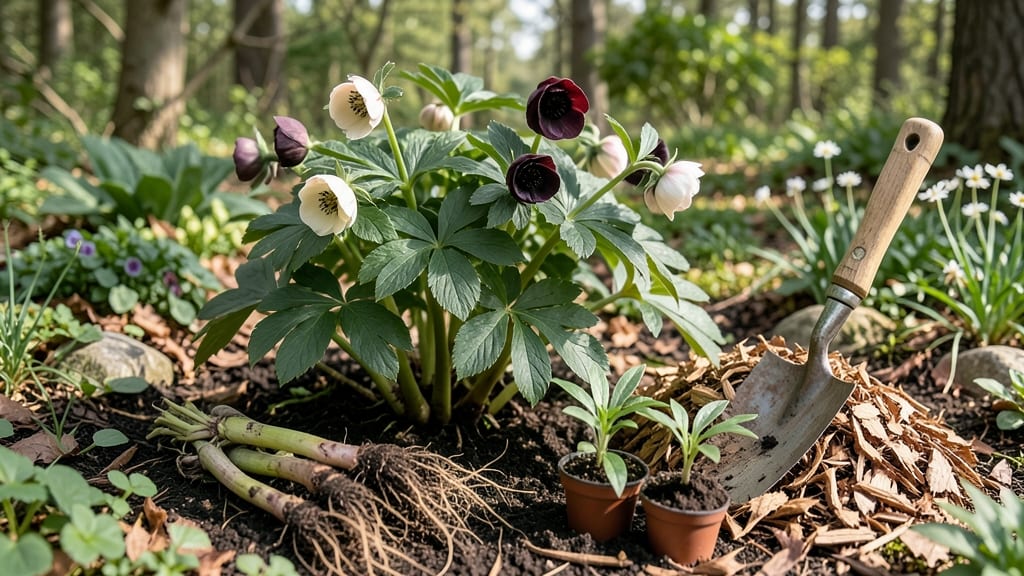
If you’re dreaming of year-round blooms in your Zone 8 garden, timing your hellebore 🌸 planting right is the secret weapon. These cold-hardy perennials reward patience with stunning flowers from winter through spring—but plant them too late or too early, and you might miss out on their full potential.
Zone 8’s mild winters and warm falls create the perfect conditions for hellebores, but fall planting is your best bet. Why? Because cooler soil temperatures help roots establish before winter dormancy, giving them a head start for next year’s blooms.
It’s not just about the calendar, though—soil moisture, frost dates, and even your local microclimate play a role.
I’ll break down exactly when to plant for maximum success, whether you’re in a coastal area with milder winters or an inland spot with occasional late frosts. You’ll also learn how to spot early signs of stress and adjust your care to keep your hellebores thriving—no guesswork required.
Ready to turn your garden into a winter wonderland of elegant blooms? Let’s dive into the ideal planting windows and pro tips to set your hellebores up for long-term success.
Optimal planting months for hellebores in Zone 8: fall vs. spring breakdown
Hellebores are perennial powerhouses that reward patience with stunning winter-to-spring blooms. In Zone 8, their planting window splits into two ideal periods: fall (September–November) and early spring (February–March). Each offers unique advantages, but fall planting is my top recommendation for Zone 8 gardeners—and here’s why.
Fall planting lets hellebores establish deep root systems before winter’s chill sets in. When soil temperatures hover between 50°F–60°F, roots grow steadily without the stress of summer heat.
This head start means faster blooming next season and better cold hardiness through Zone 8’s mild winters. Plus, cooler temps reduce transplant shock compared to spring’s sudden heat spikes.
Spring planting, while still viable, comes with higher risks in Zone 8. Planting too early (before last frost dates, typically mid-March) exposes tender roots to late frosts or heatwaves.
Waiting until late March or April ensures soil is workable, but you’ll miss the 6–8 weeks of root growth that fall planting provides. For me, this trade-off isn’t worth the gamble.
| Factor | Fall Planting (Sept–Nov) | Spring Planting (Feb–March) |
|---|---|---|
| Root Establishment | 6–8 weeks before winter dormancy | 4–6 weeks before summer heat |
| Soil Temperature | 50°F–60°F (ideal for growth) | 55°F–65°F (risk of heat stress) |
| Frost Risk | Low (established roots handle light frost) | High (late frosts can damage new roots) |
| Bloom Time Next Year | Earlier (stronger root system) | Later (slower establishment) |
| Watering Needs | Moderate (cooler temps = less evaporation) | Higher (spring droughts common in Zone 8) |
For Zone 8 gardeners, the best fall window is late September through early November. Aim to plant at least 6 weeks before your first frost (usually mid-November). This gives roots time to anchor before winter.
In inland Zone 8 areas, where nights can dip into the 30s°F, mulch heavily with 3–4 inches of shredded bark to insulate roots.
If you must plant in spring, wait until after the last frost (mid-March in most of Zone 8) and choose overcast days to reduce transplant shock. Avoid planting in peak summer heat—hellebores despise soggy soil and wilting from afternoon sun.
Instead, opt for bare-root hellebores in late winter (February) for an early start.
Pro tip: Soak roots in water for 10–15 minutes before planting to reduce transplant shock. Amend your soil with compost or peat moss to improve drainage, as hellebores hate soggy feet. In clay-heavy Zone 8 soils, mix in sand or perlite to prevent root rot.
Remember, hellebores are shade-loving perennials, so plant them where they’ll get partial shade (2–4 hours of morning sun). In hotter inland Zone 8 spots, full shade is ideal to prevent leaf scorch. Mark their location with garden flags—they’re easy to miss among spring foliage!
Once planted, water deeply once a week for the first month, then taper to bi-weekly watering in winter. Hellebores are drought-tolerant once established, but young plants need consistent moisture to thrive. Mulch again in late winter to protect roots from freeze-thaw cycles common in Zone 8.
With the right timing, your hellebores will reward you with blooms from winter through spring, adding color to your garden when most plants are dormant. Start with fall planting, and you’ll be admiring those delicate flowers by January—no waiting required!
Optimal planting months for hellebores in Zone 8: fall vs. spring breakdown
For Zone 8 gardeners, planting hellebores in fall (September–November) is the gold standard. Cooler soil temperatures—ideal between 50°F and 60°F—encourage robust root development before winter dormancy. This head start means earlier blooms next year, often as early as late winter or early spring, when your garden craves color.
Spring planting (February–March) is your backup option if fall planting slips your mind. While still effective, spring-planted hellebores may take 1–2 years to establish compared to fall’s 6–12 months.
The key is to plant before your last frost date (March 15 in most of Zone 8), giving roots time to anchor before summer heat arrives.
Here’s how the two approaches stack up for Zone 8’s unique climate:
| Factor | Fall Planting (Sept–Nov) | Spring Planting (Feb–March) |
|---|---|---|
| Soil Temperature | 50°F–60°F (ideal for roots) | 45°F–55°F (cooler, slower growth) |
| Root Establishment | 6–12 months (full dormancy cycle) | 12–24 months (summer stress risk) |
| Bloom Time | Late winter/early spring (Year 1) | Spring (Year 2 or 3) |
| Zone 8 Risk | Late frost (mild winters) | Summer drought (slower recovery) |
| Best For | Patience + winter interest | Quick results (smaller gardens) |
Pro tip: If you’re in coastal Zone 8 (e.g., Southern California), extend your fall window into early December. Warmer microclimates delay frost, but avoid planting after November 15—roots need time to harden off before winter rains arrive.
For inland Zone 8 (e.g., Arizona’s lower elevations), aim for September–October to avoid late fall heatwaves. Soil stays warm longer, so water deeply after planting to prevent transplant shock. Mulch with 3–4 inches of shredded bark to insulate roots during temperature swings.
Spring planters? Time it so roots establish before June’s heat. Amend heavy clay soil with compost or perlite to improve drainage—hellebores hate soggy feet, even in Zone 8’s humid summers. Water deeply once a week until leaves appear, then taper to every 10–14 days.