
Plants
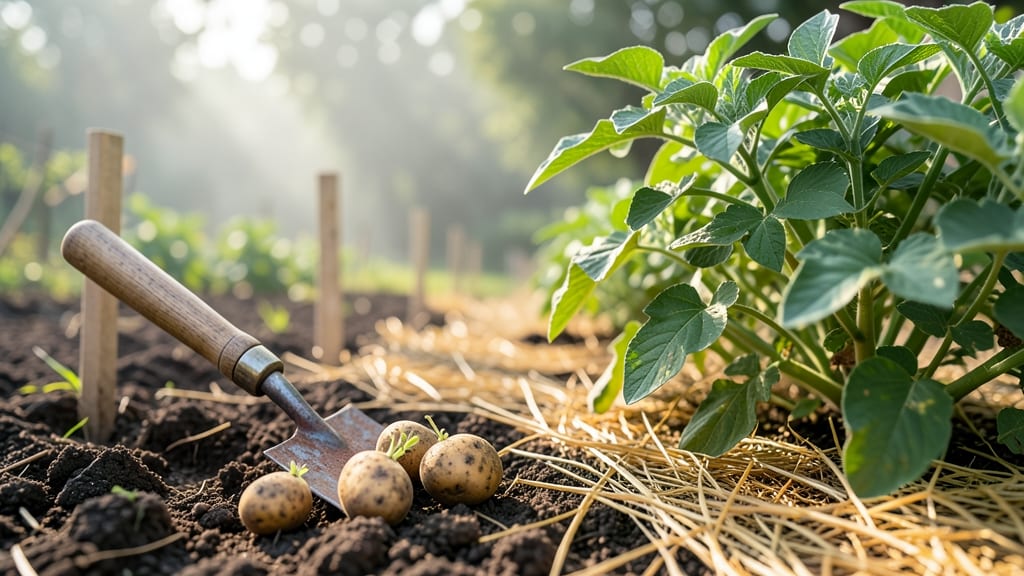
Knowing when to plant potatoes in Texas can mean the difference between a bountiful harvest and wasted effort. With Texas' diverse climate zones—from the chilly North to the balmy South—timing your 🥔 planting just right is the key to success.
The wrong timing can leave your garden struggling with frost damage or scorching heat. But don’t worry: whether you’re in North Texas (zones 8a-9a) or South Texas (zones 9b-11), I’ll break down the perfect planting windows so you can avoid common mistakes.
You’ll discover how to adjust for your specific zone, choose the best varieties for your region, and even extend your growing season with smart techniques. Let’s get your potatoes off to the best possible start!
From soil prep to harvest tips, I’ve got you covered—so you can enjoy homegrown spuds without the stress. Ready to dig in?
Texas potato planting deadlines by USDA hardiness zone (with frost dates)
Texas spans USDA zones 8a through 11, meaning your potato planting window depends heavily on where you live. In North Texas (zones 8a-9a), you’ll plant in late February to early March—just 2-4 weeks before your last frost date (typically around February 15).
Meanwhile, South Texas (zones 9b-11) skips spring planting entirely and focuses on fall planting in September-October to avoid summer’s brutal heat.
Potatoes need 45-60 days of soil temps above 45°F (7°C) to sprout, but ideal germination happens between 50-70°F (10-21°C). If you plant too early in North Texas, frost will kill sprouts; too late, and your harvest will suffer from heat stress or late blight in humid areas.
The key is balancing soil warmth with frost risk.
Here’s how to align your planting with Texas’s frost-free deadlines and soil temperature requirements for maximum yield:
| USDA Zone | Last Frost Date | Planting Window | Soil Temp for Planting | Harvest Window |
|---|---|---|---|---|
| 8a (North Texas) | Feb 15 | Late Feb - Early Mar | 50-60°F (10-15°C) | May - Early June |
| 9a (Central Texas) | Jan 31 | Early Feb - Mid-Mar | 55-65°F (13-18°C) | Late April - May |
| 9b-10 (South Texas) | Jan 1 (or none) | Sep 15 - Oct 15 | 60-70°F (16-21°C) | Nov - Dec |
| 11 (Far South) | None | Sep - Oct (or year-round) | 65-75°F (18-24°C) | Nov - Jan |
For North Texas gardeners, aim to plant seed potatoes 2-4 weeks before your last frost date. Use a soil thermometer to confirm temps are above 50°F (10°C)—cold soil delays sprouting.
In South Texas, where frost is rare, focus on fall planting to escape summer’s 100°F+ (38°C+) heat, which stresses potatoes.
Pro tip: Early varieties like 'Yukon Gold' (90 days) work best for North Texas’s short spring, while longer-season types like 'Red LaSoda' (120 days) thrive in South Texas’s cooler fall. Adjust spacing too—12 inches apart in rows 30 inches apart gives tubers room to expand without crowding.
If you’re in zone 10 or 11, you can even try year-round planting with shade cloth during peak summer. Just monitor soil moisture closely—Texas clay holds water but can bake tubers if not mulched.
For container growing, use 5-gallon pots and plant in late summer to harvest before winter chills arrive.
Remember: Potatoes need 6-8 hours of sun daily, but in South Texas’s heat, afternoon shade helps prevent sunburn on tubers. Use lightweight row covers in early spring or late fall to protect young plants from unpredictable cold snaps.
For maximum yield, time your planting so tubers mature before first frost (typically December 1 in North Texas, November 1 in South Texas). In zones 9b-11, a fall harvest avoids summer’s heat stress entirely—just plant September 15-October 15 for a November-December harvest.
🌱
Texas potato planting deadlines by USDA hardiness zone (with frost dates)
Texas spans USDA zones 7-11, meaning your potato planting window varies dramatically. In North Texas (Zones 8a-9a), you’ll plant in late February to early March to avoid frost.
Meanwhile, South Texas (Zones 9b-11) gardeners can plant in September-October for a fall harvest. The key is aligning with your last frost date and soil temperatures above 45°F.
Potatoes thrive when planted 2-4 weeks before your last frost date. For example, if your last frost is March 15, aim for February 15 planting. In South Texas, where frost rarely occurs, focus on soil temperature consistency—wait until daytime temps stay below 85°F to prevent heat stress.
Use local Almanac frost charts for precision.
Here’s your Texas potato planting timeline by zone:
| USDA Zone | Last Frost Date | Planting Window | Soil Temp Requirement | Harvest Window |
|---|---|---|---|---|
| 8a (North TX) | Feb 15 | Late Feb - Early Mar | 45°F+ | May - June |
| 9a (Central TX) | Jan 31 | Late Jan - Feb | 45°F+ | April - May |
| 9b-10a (South TX) | Jan 1 (rare) | Sep - Oct (Fall) | 70°F+ | Nov - Dec |
| 10b-11 (Deep South TX) | None | Sep - Oct (or year-round in containers) | 65°F+ | Nov - Jan |
For North Texas gardeners, early planting (like February 1) risks frost damage, but it’s worth it for longer daylight hours that boost tuber growth. In South Texas, planting in September lets you harvest before winter chills set in.
Pro tip: Use black plastic mulch to warm soil faster in cooler zones.
If you’re in a transition zone (e.g., Austin, Zone 8b), split your planting: sow half in February and half in September for a staggered harvest. This insurance strategy protects against unpredictable Texas weather. Always test soil pH (5.0-6.5)—Texas clay often needs compost or sulfur to adjust.
Remember, soil temperature matters more than air temperature. Use a soil thermometer to confirm 45°F+ before planting. In East Texas (humid zones), watch for late blight—space plants 12+ inches apart and avoid overhead watering to prevent fungal outbreaks.
Start with certified seed potatoes (not grocery store spuds) to avoid diseases. For container gardening in hot zones, use 5-gallon pots with well-draining mix and plant 2-3 weeks earlier than ground planting for cooler roots.