
Flowers
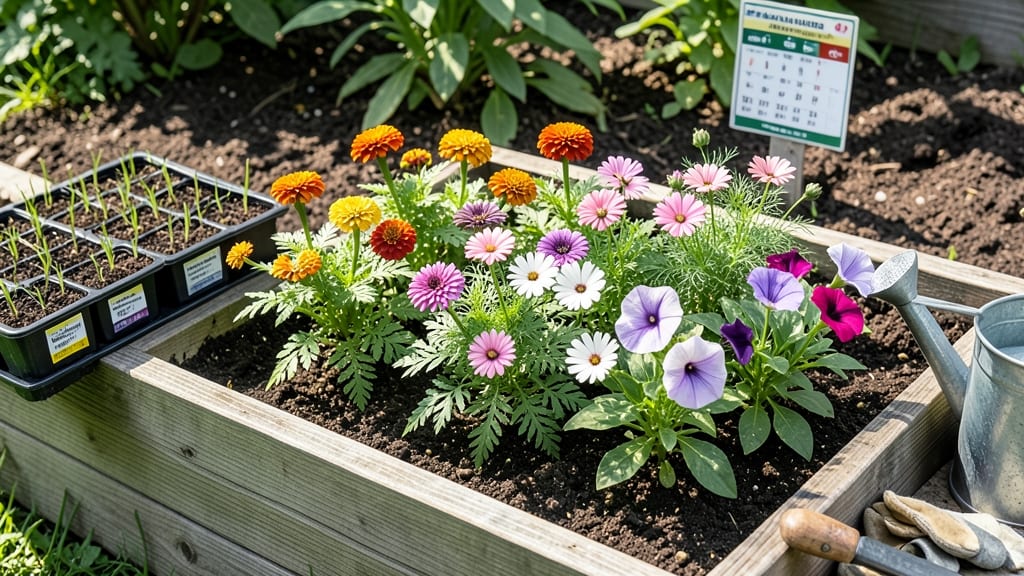
Timing your flower seeds planting in Indiana isn't just about luck—it's about knowing when to act before frost steals your blooms. With Indiana's Zone 6a climate, getting those seeds in the ground at the right moment means the difference between a vibrant garden and a sad, frost-nipped disappointment.
I've learned that the best window for planting 🌸 flower seeds opens around mid-April to late May, right after that last frost date sneaks away. But don't stop there—fall planting from late August to early September can give you a second chance at color before winter sets in.
The key is understanding your local frost patterns and matching them to your favorite flowers' needs.
Whether you're dreaming of sun-drenched marigolds or delicate coneflowers, this guide will help you pinpoint the perfect planting moments. We'll cover cool-season favorites that love early starts, heat-tolerant annuals that thrive in summer's embrace, and even strategies to stretch your growing season when Mother Nature gets tricky.
Ready to transform your Indiana garden into a year-round floral masterpiece? Let's dive into the exact planting times, zone-specific tips, and pro tricks that'll have your flowers blooming like never before. Your garden's future starts with the right timing—and I've got all the details you need.
Indiana frost dates by Zone: critical deadlines for planting flower seeds
Indiana spans USDA Zones 5a to 6b, meaning frost dates vary dramatically across the state. Northern areas like Gary and South Bend (Zone 5a) face later last frosts, while southern cities like Evansville and Louisville (Zone 6b) enjoy earlier planting windows.
Understanding these zone-specific deadlines prevents frost damage and maximizes bloom time.
For most of Indiana, the average last frost date falls between April 15 and May 1, with northern regions pushing into early June. Conversely, the first frost typically arrives between October 15 and November 1.
These dates create a 165-day frost-free window—your golden opportunity for vibrant summer blooms.
Here’s how to use these dates: Cool-season flowers (like pansies and snapdragons) can start indoors 6-8 weeks before last frost, while warm-season favorites (such as marigolds and zinnias) should wait until soil warms to 60°F or above.
Timing is everything—plant too early, and frost zaps seedlings; too late, and you’ll miss peak summer color.
Indiana Planting Deadlines by Zone
| Zone | Last Frost Date | First Frost Date | Ideal Planting Window | Notes |
|---|---|---|---|---|
| 5a (Northern IN) | May 1–15 | October 1–15 | Mid-May–June 15 | Use row covers for early starts |
| 5b (Central-North IN) | April 15–30 | October 15–30 | April 15–June 1 | Perfect for cool-season blooms |
| 6a (Central-South IN) | April 1–15 | October 30–November 15 | March 15–July 1 | Longest frost-free season |
| 6b (Southern IN) | March 15–April 1 | November 1–15 | February 15–July 31 | Try early tulips and daffodils |
Pro tip: Check your local microclimate. Urban areas like Indianapolis can be 2–3°F warmer than rural zones, delaying frost by a week. Use weather apps or ask neighbors with established gardens for their frost dates—every day counts for seedling survival.
For fall planting, aim to sow seeds 8–10 weeks before first frost. This gives cool-season flowers like calendulas and sweet alyssum time to establish roots before winter. In Zone 6b, this means late August to early September—perfect for extending your garden’s color into autumn.
Don’t forget succession planting! In Indiana’s short growing season, stagger sowings every 2–3 weeks to ensure continuous blooms. For example, plant marigolds every 10 days from May to July—this guarantees flowers from early summer through frost.
If you’re unsure about your exact zone, use the USDA Plant Hardiness Zone Map or enter your ZIP code into Indiana’s Purdue Extension Climate Tool. These resources provide hyper-local frost data tailored to your garden’s specific conditions.
Remember: Soil temperature matters more than air temperature. Use a soil thermometer to confirm 60°F+ before planting warm-season seeds. Cold soil slows germination, leaving seedlings vulnerable to pests and disease.
With these zone-specific deadlines, you’ll avoid the #1 mistake Indiana gardeners make: planting too early and losing seedlings to frost. Now, let’s dive into the best flower varieties for each planting window to maximize your garden’s beauty!
Best flower seed varieties for Indiana: planting times by seasonal needs
Indiana’s diverse climate lets you grow flowers year-round, but each variety has its own sweet spot for planting. I’ve narrowed down the best flower seeds for our state, organized by when to sow them for maximum blooms.
Whether you’re chasing spring color or fall frost resistance, these varieties thrive with Indiana’s Zone 5-6 conditions.
Cool-season flowers like pansies and snapdragons love early starts, while heat-tolerant marigolds and zinnias demand summer’s warmth. Even perennials like coneflowers and black-eyed Susans have ideal planting windows to ensure they establish roots before winter. Let’s break it down by season so you never miss a bloom.
🌱 Spring Planting (March–May): This is prime time for cool-season annuals and hardy perennials. Start pansies indoors in March for early spring color, then transplant them out after the last frost. Sweet peas and lupines also love this window—they’ll reward you with fragrant blooms by summer. For perennials, sow coreopsis and shasta daisies in April once soil warms to 50°F.
- 1. Cool-Season Annuals (March–April): Pansies, Violas, Sweet Peas – Sow indoors 6–8 weeks before last frost; transplant after April 15.
- 2. Heat-Tolerant Annuals (May–June): Marigolds, Zinnias, Sunflowers – Direct-sow after soil reaches 60°F; avoid frost-prone areas.
- 3. Perennials (April–May): Coneflowers, Black-Eyed Susans, Daylilies – Plant after last frost; mulch to retain moisture.
- 4. Fall-Blooming (August–September): Cosmos, Asters, Goldenrod – Sow 6–8 weeks before first frost for late-season color.
- 5. Bulbs (September–October): Tulips, Daffodils, Crocuses – Plant 6 weeks before ground freezes for spring blooms.
Don’t overlook succession planting for annuals like zinnias or marigolds. Sow a second batch in late June to enjoy blooms until frost. For perennials, early fall planting (like sedum or Russian sage) gives roots time to establish before winter.
I’ve even had luck with winter-hardy flowers like heather or winter aconite, which bloom in late winter for a surprise pop of color.
Pro tip: Check seed packets for days to maturity—this tells you exactly when to plant for peak blooms. For example, cosmos take 60–70 days to flower, so sow them by August 1 for fall displays.
Pairing fast bloomers (like pansies) with long-season varieties (like hollyhocks) ensures your garden stays lively from spring to frost.
Indiana’s humid summers can stress some flowers, so choose drought-tolerant varieties like lavender or salvia for low-maintenance beauty. And if you’re new to gardening, start with easy-to-grow seeds like sunflowers or marigolds—they’re forgiving and perfect for beginners.
With the right timing, your garden will be a nonstop parade of color, from spring’s first blooms to fall’s fiery hues.