
Flowers
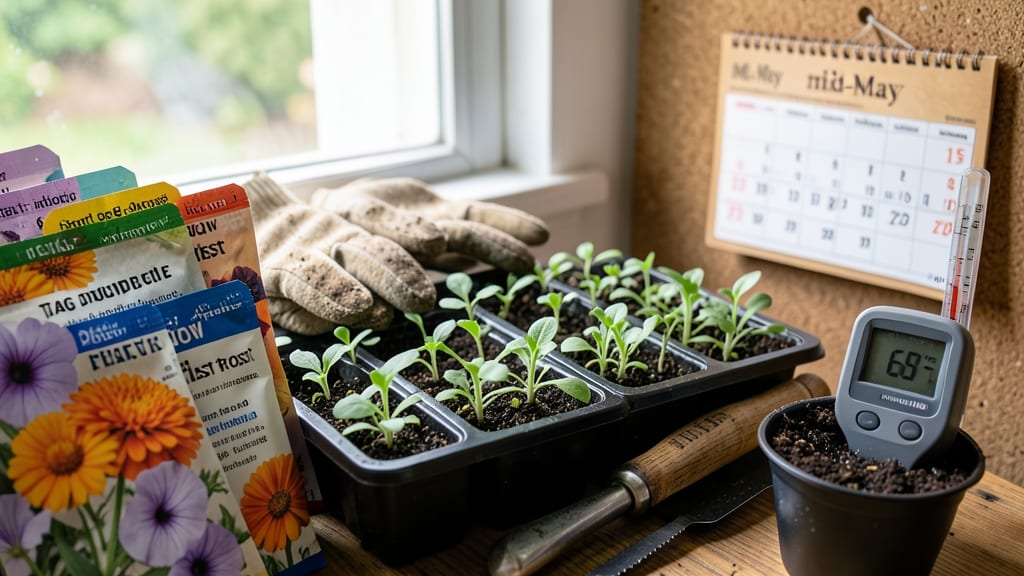
When to plant flower seeds in Michigan could mean the difference between a garden bursting with vibrant blooms 🌸 and a season of disappointment. With frost dates that shift from year to year, knowing when to plant isn't just helpful—it's essential for hardy annuals and perennials to thrive in zones 5b-6b. Most Michigan gardeners start their spring planting between March and mid-May, but the real secret lies in understanding your specific microclimate. Whether you're in Detroit or the Upper Peninsula, last frost dates typically arrive around mid-April, giving you a narrow window to get seeds in the ground—or start them indoors for a head start. Don't forget about fall planting, either! August through September offers another chance to sow cool-season flowers that will bloom next year. The key is balancing soil temperatures, frost risks, and your plants' unique needs—whether they're sun-loving zinnias or shade-tolerant impatiens. In this guide, I'll break down the exact frost-free planting schedule for Michigan, plus pro tips for adjusting to unpredictable weather. Let's make sure your garden gets the perfect start—no matter what Mother Nature throws your way.
Michigan flower seed planting deadlines by Zone 5 & 6: exact frost-free dates
Michigan’s diverse climate—from Detroit’s urban heat islands to the Upper Peninsula’s chilly springs—means last frost dates can vary by 2-3 weeks. Most of the state falls in USDA Zones 5b-6b, with average last frost dates between mid-April (southern Michigan) and early May (northern regions).
Plan accordingly to avoid killing tender seedlings with late frosts.
For spring planting, start seeds indoors 6-8 weeks before your area’s last frost date. Direct-sow hardy flowers like pansies and snapdragons as early as March in protected beds, while heat-loving zinnias and marigolds should wait until soil reaches 50°F+ (usually late May in colder zones).
🌱 Pro Tip: Use a soil thermometer to confirm warmth before sowing warm-season flowers.
🌸 Michigan Flower Seed Planting Timeline by Zone
| Zone & Region | Last Frost Date | Early Spring (Cold-Hardy) | Late Spring (Warm-Season) | Fall Planting |
|---|---|---|---|---|
| Zone 5b (Detroit, Grand Rapids) | Mid-April | March (indoors), April (direct sow) | May 15–June 1 | August 15–September 15 |
| Zone 6a (Traverse City, Kalamazoo) | Early April | Late March (indoors), April 1 | May 1–May 15 | August 1–September 10 |
| Zone 5a (Upper Peninsula) | Early May | April (indoors), May 1 | June 1–June 15 | August 10–September 5 |
💡 Note: Adjust dates 1-2 weeks earlier for early blooms or 1-2 weeks later if your spring is late.
For fall planting, aim to sow seeds 8-10 weeks before your first frost (typically mid-October). Cool-season flowers like cosmos and nasturtiums thrive in autumn’s mild weather. Avoid planting after September 15 in northern zones, as seedlings may not establish roots before winter.
🌿 Regional Tip: Southern Michigan gardeners can extend fall planting until October 1 for hardy varieties.
Perennials like black-eyed Susans and coneflowers can be direct-sown in early spring or late summer (August). Bulbs such as tulips and daffodils should be planted in fall (October) for spring blooms, as they need cold stratification to thrive.
🌡️ Soil Temperature Matters: Use a soil thermometer to ensure warmth (50°F+) before planting warm-season flowers like sunflowers or zinnias.
Track your local frost dates using the Michigan State University Extension’s frost calendar or plant frost-sensitive flowers (e.g., petunias) only after May 15 in most zones. With the right timing, your Michigan garden will burst into color from early summer through fall!
How to adjust flower seed planting for Michigan’s unpredictable weather patterns
Michigan’s weather is famously unpredictable—one day it’s 60°F and sunny, the next, a snowstorm hits in May. These swings make planting flower seeds tricky, but with the right adjustments, you can protect your blooms and extend your growing season.
The key? Flexible timing and tools like row covers or cold frames to shield tender seedlings.
Start by checking your local last frost date. In Zone 5b (northern Michigan), this is typically May 10–15, while Zone 6a (southern Michigan) sees frost-free conditions by April 25–May 10. But don’t rely on averages—use a local weather app or Almanac frost calendar to track real-time updates.
Late frosts in May can still damage seedlings. If nighttime temps drop below 40°F, cover young plants with frost cloth or a lightweight blanket. Remove covers by 10 AM to avoid overheating.
🌡️ Pro Tip: Harden off seedlings gradually—expose them to outdoor conditions for 1–2 hours/day over 7–10 days before transplanting.
For early spring planting, start seeds indoors 6–8 weeks before your last frost date. Use grow lights if natural light is limited, and keep soil temps at 65–75°F for optimal germination. Marigolds, pansies, and snapdragons are cold-hardy and can handle direct sowing in March if soil isn’t frozen.
If you miss the spring window, don’t despair—fall planting is a great backup. Sow cool-season flowers like calendulas, sweet alyssum, and lobelia in late August to early September. These varieties thrive in cooler temps and often bloom until first frost in October.
Use row covers or cold frames to create a microclimate for delicate seedlings. These tools raise soil temps by 5–10°F and protect against wind and frost. For example, cosmos and zinnias can be sown 2 weeks earlier under cover in Zone 5 without risk.
Finally, monitor soil temperature with a soil thermometer. Most flower seeds need soil at 50–70°F to germinate. If your garden is still too cold, wait or use black plastic mulch to warm the soil faster. Patience pays off—well-timed planting means longer blooms and healthier plants! 🌷