
Flowers
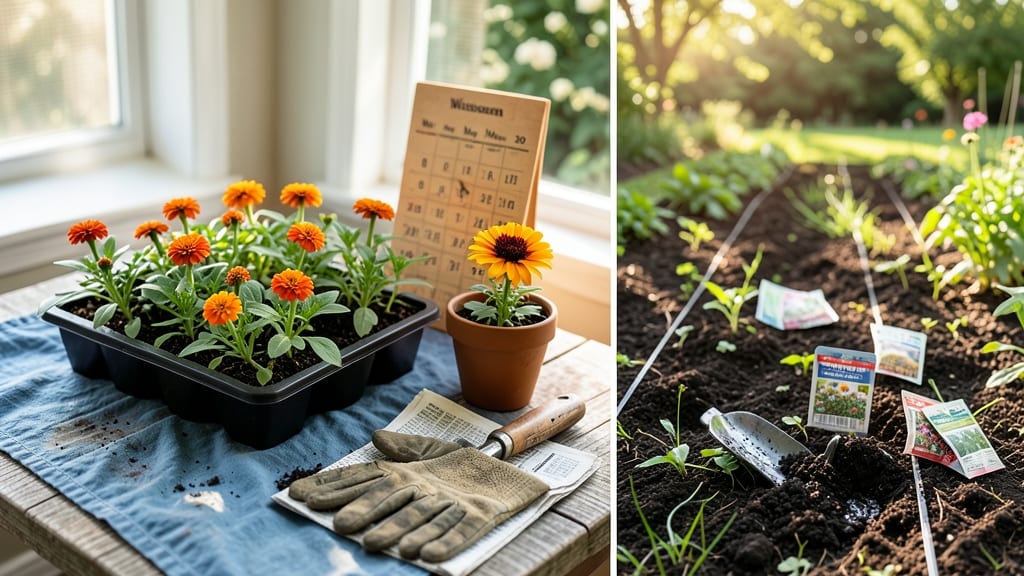
Timing your flower seed planting in Wisconsin can feel like a high-stakes game of chance—one wrong move, and frost might nip your blooms before they even bloom. But here’s the secret: knowing your USDA zone and average frost dates turns guesswork into a foolproof strategy.
Wisconsin’s diverse climate means northern gardeners in zones 4-5 face earlier frosts than those in warmer zone 6 areas near Milwaukee. Whether you’re sowing cosmos in May or starting delphiniums indoors in March, the right timing ensures your garden thrives.
Let’s break down the exact windows you need to know.
From protecting tender seedlings with row covers to choosing heat-loving varieties for late starts, I’ll show you how to adapt to Wisconsin’s unpredictable weather.
You’ll learn which flowers to plant when, how to extend your season, and even how to handle those sneaky late frosts that love to ruin all the hard work.
Skip the trial-and-error—this guide gives you the precise timing and tips to grow a garden bursting with color, no matter where you are in the state. Ready to plant with confidence? Let’s get started.
Wisconsin frost dates & hardiness zones: exact planting windows for flower seeds
Wisconsin’s USDA hardiness zones 4-6 create unique challenges for gardeners, with northern regions facing earlier frosts than southern areas. Understanding these zones—and their average last frost dates—is key to timing your flower seed planting for maximum success.
For example, Madison (Zone 5a) typically sees its last frost around May 10-15, while Milwaukee (Zone 5b) averages May 5-10.
Perennials like coneflowers and black-eyed Susans can handle Wisconsin’s chill, but annuals like marigolds and zinnias need warmer soil to thrive. Even a 1-2 week delay in planting can mean the difference between lush blooms and stunted growth. Let’s break down the exact planting windows for your region.
🌱 PRO TIP: Always check your local NOAA frost calendar or use a soil thermometer to confirm when soil reaches 50°F+—the ideal temperature for most flower seeds to germinate.
| Region | USDA Zone | Avg. Last Frost | Safe Planting Window | Notes |
|---|---|---|---|---|
| Northern WI (Green Bay, Wausau) | 4a-4b | May 15-20 | May 25 - June 5 | Start cold-hardy seeds indoors by April 1. |
| Central WI (Madison, Stevens Point) | 5a-5b | May 10-15 | May 20 - June 10 | Direct-sow after soil warms to 55°F+. |
| Southern WI (Milwaukee, Racine) | 5b-6a | May 5-10 | May 15 - June 5 | Longer growing season allows late summer plantings. |
| All Regions | 4-6 | First Frost: Oct 10-20 | Plant heat-lovers by July 15. | Use row covers for early/late plantings. |
For annual flowers, aim to plant seeds 2-3 weeks after your last frost date to avoid chilly soil that slows germination. Perennials, however, can often be planted 1-2 weeks earlier since they establish deeper roots over time.
In Zone 4, I always start cosmos and snapdragons indoors by March 15 to give them a head start.
Wisconsin’s first frost typically arrives between October 10-20, depending on elevation. This means heat-loving flowers like zinnias and sunflowers should be sown by mid-July to mature before frost. If you’re eager for late-season color, opt for cold-tolerant varieties like pansies or sweet alyssum, which can handle light frosts.
Don’t forget to adjust for microclimates—south-facing slopes warm up faster than shaded areas. Even within Madison’s Zone 5a, a sunny hillside might be ready for planting 1 week earlier than a low-lying garden bed. Always test soil temperature with a thermometer to confirm readiness.
🌿 KEY INSIGHT: Wisconsin’s 100-120 frost-free days (varies by zone) limit your growing season. Plan your flower succession plantings to stagger blooms from June through September for continuous color. For example, plant early bloomers like sweet peas in May, followed by zinnias in June, and cosmos in July.
If you’re
Best flower seeds to plant by month in Wisconsin (indoor vs. outdoor timing)
Wisconsin’s short growing season means timing is everything when planting flower seeds. Some varieties thrive with early starts indoors, while others can handle direct sowing outdoors once soil warms. Let’s break down the best month-by-month schedule for Wisconsin’s top performers.
For cold-hardy annuals like snapdragons and lupines, start seeds indoors 6-8 weeks before your last frost date. Southern Wisconsin gardeners (like those in Milwaukee) can begin indoor sowing in March, while northern areas (like Green Bay) should wait until late March or April.
Heat-loving flowers such as cosmos and zinnias can be direct-sown after the last frost. In most of Wisconsin, this falls between late April and mid-May. For a longer bloom season, make a second planting of fast-growing annuals like marigolds in early June.
🌱 Pro Tip: Check your local USDA hardiness zone (4-6 in Wisconsin) and adjust timing by 1-2 weeks if you’re in a cooler microclimate.
- March-April (Indoor Start): Snapdragons, Sweet Alyssum, Lobelia, Pansies
- April-May (Direct Sow After Frost): Cosmos, Zinnias, Sunflowers, Marigolds
- May-June (Succession Planting): Nasturtiums, Calendula, Bachelor’s Buttons
- June (Late Starts): Portulaca, Four O’Clocks, Heat-Tolerant Petunias
Perennials like black-eyed Susans and coneflowers can be sown directly outdoors in early spring or fall-planted for better root establishment. If you’re fall sowing, aim for late August to September so seeds have time to germinate before winter.
Don’t forget to harden off seedlings gradually if starting indoors. Move them outdoors for 1-2 hours daily starting 10 days before transplanting to prevent shock. This is especially critical for delicate seedlings like geraniums and impatiens.
🌿 Quick Reminder: Always check the seed packet for specific instructions—some varieties (like dahlias) need tuber planting in early spring, not seed sowing.