
Flowers
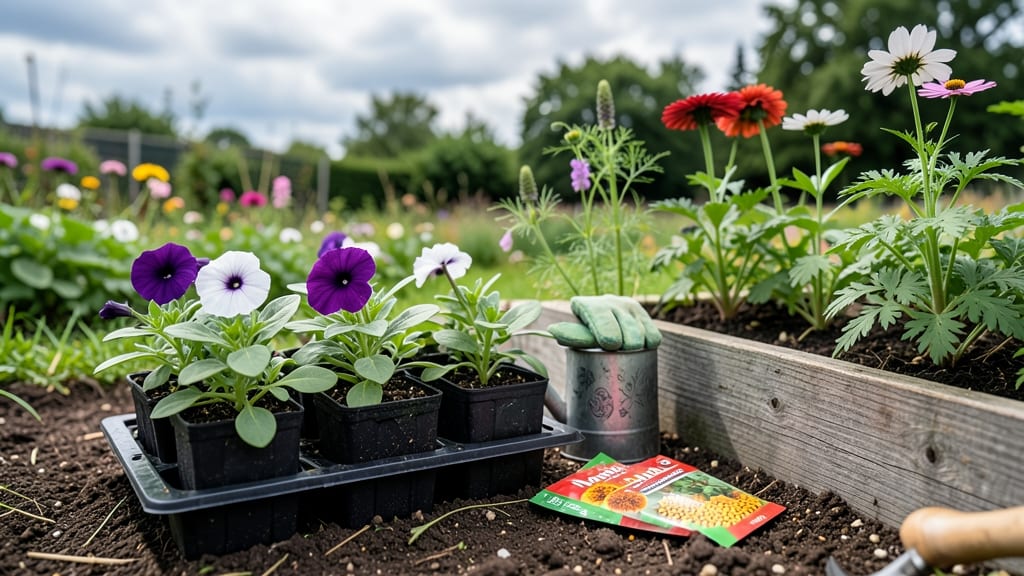
Timing your flower seeds planting in Missouri can make the difference between a vibrant garden and a sad, frost-nibbled disappointment. With last frost dates shifting from mid-April in the north to early April in the south, getting it right means knowing your exact zone—and when to act.
The key is planting 🌸 flower seeds after the last frost when soil warms to 60°F, but before summer’s scorching heat sets in. For Missouri’s 5b-6b zones, that window opens in early March for cool-season blooms like pansies, while warm-season favorites like zinnias wait until late April or May.
Don’t guess—missed deadlines mean wasted seeds and missed blooms. I’ll break down the exact months for your region, plus pro tips to stretch your season and protect delicate seedlings from Missouri’s unpredictable late frosts.
Ready to turn your garden into a year-round showstopper? Let’s dive into the planting schedule that’ll have your flowers thriving from spring to fall.
Missouri last frost dates by region: critical planting windows for flower seeds
Missouri’s four distinct climate zones create wildly different last frost dates, making timing everything for your flower seed success. Northern Missouri’s USDA Zone 5b can see frosts until May 15, while Southern Missouri’s Zone 6b typically warms up by April 15.
These differences mean your marigolds or zinnias could freeze if planted too early in the north but bolt in the south.
To avoid frost damage or wasted seeds, I’ve broken down the critical planting windows for each region. Whether you’re in St. Louis, Kansas City, or the Ozarks, knowing your last frost date ensures your annual flowers thrive from spring to fall.
Here’s the region-by-region breakdown of when to plant cool-season (like pansies) vs. warm-season (like sunflowers) flowers, plus soil temperature tips to avoid seedling shock.
Missouri Frost Dates & Planting Windows
| Region | USDA Zone | Last Frost Date | First Frost Date | Cool-Season Flowers (Plant) | Warm-Season Flowers (Plant) |
|---|---|---|---|---|---|
| Northern MO (e.g., St. Joseph) | 5b | Mid-April | Mid-October | March 15–April 15 | May 1–May 15 |
| Central MO (e.g., Columbia) | 6a | Early April | Late October | March 1–April 1 | April 15–May 1 |
| Ozarks (e.g., Springfield) | 6b | Late March | Early November | February 28–March 15 | April 1–April 15 |
| Southern MO (e.g., Cape Girardeau) | 7a | Early April | Mid-November | February 15–March 1 | March 15–April 1 |
💡 Pro Tip: Soil should be at least 60°F (15°C) for warm-season seeds to germinate. Use a soil thermometer to check!
For cool-season flowers like pansies or snapdragons, plant 4–6 weeks before your last frost date. This gives them time to establish roots before summer heat. In Northern Missouri, that means starting seeds indoors by February 15—while Southern Missouri gardeners can wait until February 1.
Warm-season flowers such as marigolds or zinnias need consistent warmth to thrive. Wait until the soil temperature stays above 60°F (15°C)—typically May 1 in Northern Missouri and April 1 in the south. Planting too early risks seed rot or stunted growth.
Missouri’s fall planting window (August–September) is perfect for cool-season flowers like cosmos or calendula. These bloomers tolerate light frosts and often rebloom after a cold snap. Aim to plant by September 15** in Northern Missouri to avoid first-frost damage.
Urban gardeners in St. Louis or Kansas City may face microclimates with later frosts due to heat islands. Check local weather stations or use frost-free date
Best flower seeds to plant in Missouri by season: cool vs. warm season strategies
Missouri’s four distinct seasons create perfect windows for planting cool-season flowers in early spring and warm-season varieties after the last frost. The key is matching your seed choices to the soil temperature and daylight hours—cool-season flowers thrive when nights are still chilly, while warm-season bloomers need heat to germinate.
For spring planting (March–May), focus on cool-hardy annuals like pansies, snapdragons, and sweet alyssum. These bloom in cooler temps and can even handle light frosts once established. In summer (June–August), shift to heat-lovers such as zinnias, marigolds, and sunflowers, which need consistent warmth to flourish.
Fall (August–September) is ideal for native wildflowers like black-eyed Susans and coneflowers, which store energy for next year’s growth.
| Season | Best Flowers | Planting Month | Soil Temp |
|---|---|---|---|
| Spring | Pansies, Snapdragons, Sweet Alyssum | March–April | 45–60°F |
| Summer | Zinnias, Marigolds, Sunflowers | May–June | 60–75°F |
| Fall | Black-Eyed Susans, Coneflowers, Cosmos | August–September | 50–65°F |
Missouri’s native wildflowers are a smart choice for low-maintenance gardens and attract pollinators like butterflies and bees. Plant cone flowers and butterfly weed in well-draining soil with full sun exposure.
These perennials return year after year, reducing your need to replant. For container gardening, opt for compact varieties like petunias or geraniums, which thrive in pots and bloom prolifically.
Prepare your soil by amending it with compost or aged manure to improve drainage and fertility. Missouri’s clay-heavy soils benefit from organic matter additions, especially in urban areas where soil compaction is common.
Test your soil’s pH—most flowers prefer a slightly acidic to neutral range (6.0–7.0). Adjust with lime to raise pH or sulfur to lower it if needed.
After planting, mulch around your flowers to retain moisture and suppress weeds. Use straw or shredded leaves for a natural, organic mulch that breaks down over time. Water deeply in the morning to encourage strong root growth and reduce fungal diseases.
Avoid overhead watering in the evening, as damp foliage invites powdery mildew and other pests.
For a longer blooming season, try succession planting every 2–3 weeks. This means sowing small batches of seeds (like zinnias or cosmos) throughout the summer to ensure continuous color. In fall, let some plants self-seed—like coreopsis or lupine