
Plants
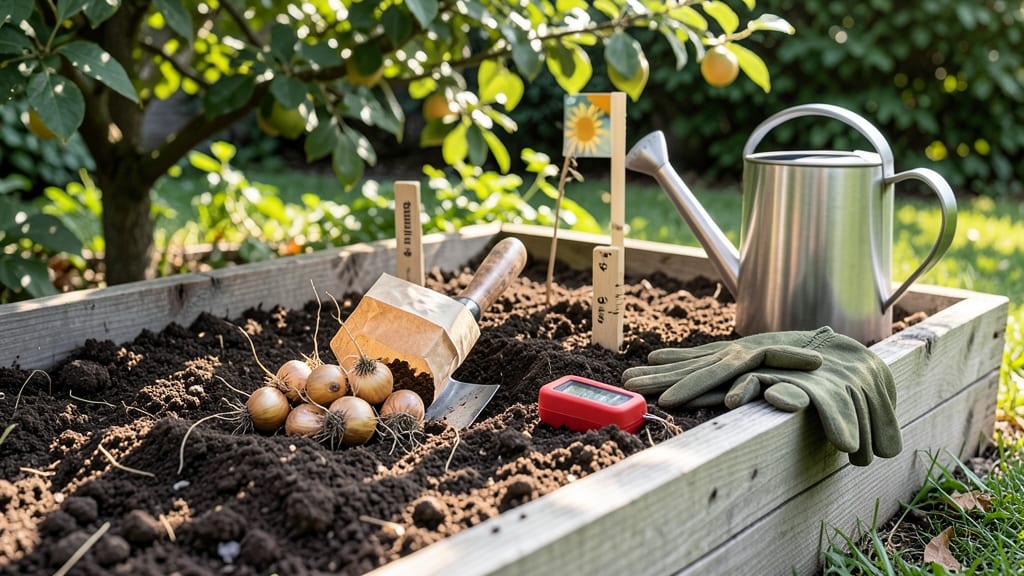
Timing when to plant gladiolus bulbs in Indiana isn’t just about the calendar—it’s about dodging frost, embracing warm soil, and unlocking those showstopping summer blooms. With Indiana’s Zone 5 climate, planting too early risks a chilly surprise, while waiting too long might leave you with wilted dreams by August.
I’ve seen firsthand how a few weeks can mean the difference between a garden full of towering 🌱 gladiolus and a patch of browned corms. The key? Waiting until the soil hits 60°F—when roots can finally take off without fear of frost.
That usually lands in late April or early May, but don’t let the last frost fool you.
What you’ll discover here is how to read Indiana’s unpredictable weather, adjust for early spring setbacks, and even explore late-summer replanting for extended blooms. No more guessing—just science-backed timing to ensure your gladiolus thrive from corm to 6-foot spikes of color.
Let’s break down the exact windows, soil tricks, and care tips that’ll have your garden stealing the show—without the stress. Ready to turn your Indiana plot into a gladiolus paradise?
Optimal gladiolus planting dates for Indiana’s Zone 5 climate
Indiana’s Zone 5 climate demands precise timing for gladiolus planting. These tender corms thrive when soil temperatures reach 60°F (15°C), signaling the last frost has passed.
For most of Indiana, this typically falls between mid-April and early May, but always verify your local frost dates—late springs can push planting into early June.
Gladiolus can also be planted in late summer for fall blooms, but Indiana’s first frost usually arrives by mid-October. Aim for late August to early September to ensure flowers mature before cold sets in. This second planting window extends your garden’s color palette into autumn.
Missed the spring window? Don’t despair! Gladiolus corms are perennial in warmer climates, but in Indiana, they’re often treated as annuals. Dig them up after frost and store them in cool, dry conditions until next spring. This strategy lets you replant with fresh vigor each year.
Indiana’s variable weather means checking soil temperature is critical. Use a soil thermometer to confirm readiness—cold soil delays growth, while warm soil (above 70°F (21°C)) can cause corms to sprout too quickly. For northern Indiana, err on the side of late planting to avoid frost damage.
Pro tip: Chitting gladiolus corms indoors 4-6 weeks before planting jumpstarts growth. Place corms in a tray with the pointy end up and keep them in a bright, warm spot (around 70°F (21°C)). Roots will emerge, giving your gladiolus a head start in Indiana’s short growing season.
Container gardening is another smart option for Indiana gardeners. Plant corms in well-draining pots filled with light, sandy soil. This method lets you move containers to sheltered spots if frost threatens or extend the season by bringing them indoors before cold sets in.
Remember, gladiolus thrive in full sun—Indiana’s summer sun is perfect for them. Choose a location with at least 6 hours of direct sunlight daily. If your garden is shady, select dwarf varieties like ‘Pyromania’ or ‘Black Pearl’ for smaller spaces.
After planting, maintain consistent moisture but avoid soggy soil—gladiolus hate waterlogged roots. Mulch around plants with straw or shredded leaves to retain moisture and regulate soil temperature. This is especially important in Indiana’s hot, humid summers.
For maximum blooms, fertilize gladiolus with a balanced 5-10-10 fertilizer every 3-4 weeks during the growing season. Stop fertilizing 6-8 weeks before the first frost to encourage corm development for next year’s garden.
Optimal gladiolus planting dates for Indiana’s Zone 5 climate
Indiana’s Zone 5 climate demands precision when planting gladiolus bulbs. The key is waiting until the soil warms to at least 60°F (15°C), typically between mid-May and early June. This timing avoids frost damage while giving your corms enough time to establish roots before summer heat arrives.
In my experience, planting too early often leads to rotting corms, while late planting risks stunted blooms.
For Indiana gardeners, late spring planting is ideal—aim for 2-3 weeks after the last frost date, which usually falls around April 15th in most areas. Using a soil thermometer ensures you’re planting at the perfect temperature.
I always check mine in the morning for the most accurate reading before committing to the garden bed.
| Planting Window | Soil Temp | Frost Risk | Indiana Month |
|---|---|---|---|
| Early Spring | Below 60°F | High | April (avoid) |
| Optimal | 60-65°F | Low | Mid-May to June |
| Late Summer | Above 60°F | None | July-August |
✅ Best blooms occur with late spring planting
Don’t overlook late summer planting as a second chance! In Indiana’s heat, planting gladiolus corms in July can yield stunning fall blooms. Just ensure they have 6-8 hours of sunlight daily—my garden’s east-facing border gets perfect morning light for this second planting window.
The trade-off? Fall-blooming glads may not reach their full height potential, but they still make a striking display.
If you’re eager to start earlier, consider chitting gladiolus corms indoors 4-6 weeks before outdoor planting. This pre-sprouting method gives them a head start, but I’ve found it’s only worth the effort if you’re planting in early May.
Otherwise, the extra work often isn’t justified for Indiana’s climate. Always prioritize soil temperature over indoor prep for best results.
Pro tip: Mark your calendar for June 15th as the absolute latest date for planting gladiolus in Indiana. After this, your corms won’t have enough time to establish roots before the first frost, which typically hits around October 15th.
I’ve learned this the hard way—skipping this deadline means winter-killed corms and wasted money!
For container gardeners, timing is even more critical. Plant gladiolus in pots 1-2 weeks earlier than in-ground beds to account for slower soil warming. Use a heat mat if needed to maintain that 60°F threshold.
My balcony glads always bloom a week later than their in-ground counterparts, but the difference is worth the extra effort for small-space gardeners.