
Plants
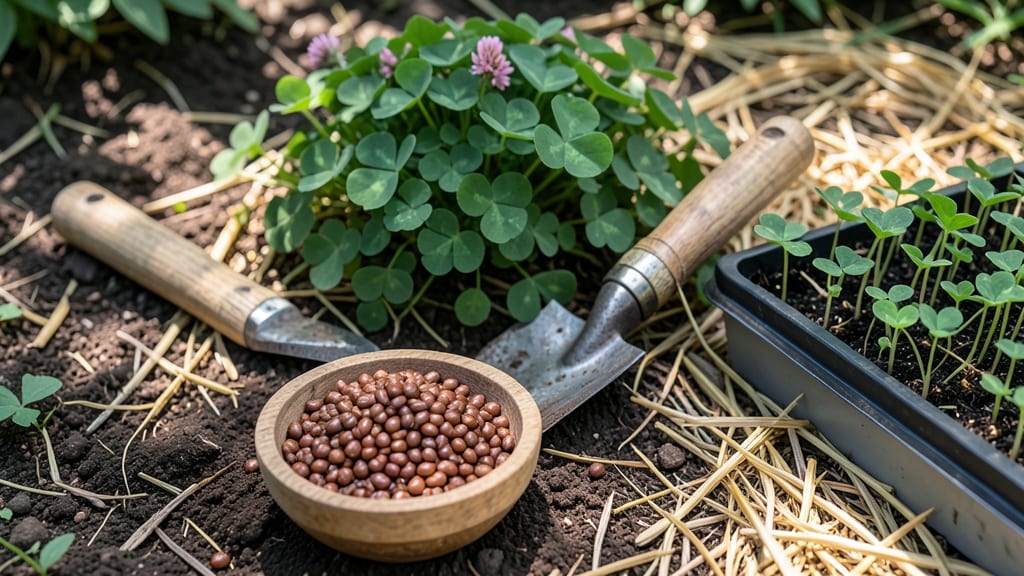
Timing your clover planting in Indiana can make the difference between a lush, thriving patch and struggling seeds that never take hold. With USDA Zone 5-6 frost dates that shift from north to south, knowing exactly when to plant is the key to success.
Most gardeners in Indiana focus on two ideal windows: early spring (March-April) or early fall (September-October). These periods give clover (🌱) the best chance to establish roots before summer heat or winter frost sets in.
But here's the catch: your exact timing depends on whether you're in northern Indiana (where frosts linger longer) or southern Indiana (where the growing season arrives earlier).
I'll walk you through the exact frost-free window calculations, soil prep secrets, and why some varieties actually prefer fall planting. You'll learn how to adjust for your specific microclimate and avoid the common mistakes that waste seeds and effort.
Whether you're planting for pollinators, soil improvement, or livestock feed, getting this right means healthier plants, faster growth, and a more productive garden. Let's dive into the perfect planting schedule for your Indiana clover patch.
Optimal planting dates for clover in Indiana’s Zone 6 climate
Indiana’s Zone 6 climate creates a precise 90-day frost-free window for planting clover, typically from mid-April to late October. Missing this window means risking frost damage or stunted growth during summer’s peak heat. The key is planting when soil temperatures hit 50°F (10°C), signaling ideal germination conditions.
Most Indiana gardeners plant clover in either early spring (March–April) or early fall (September–October). Spring planting aligns with soil warming, while fall planting lets roots establish before winter. Both strategies work, but timing depends on your clover variety and local microclimates.
Northern Indiana (e.g., Gary, Fort Wayne) has later last frost dates (April 22 on average), while southern Indiana (e.g., Evansville, Louisville) can plant as early as March 25. Use your local frost date calculator to fine-tune your schedule—even a 1–2 week difference can impact yield.
🌱 Indiana Clover Planting Timeline
| Stage | Action | Soil Temp | Notes |
|---|---|---|---|
| Early Spring | Plant seeds ¼" deep | 50–60°F (10–15°C) | Best for red/white clover |
| Late Spring | Thin seedlings to 6" apart | 60–70°F (15–21°C) | Avoid mid-June heat stress |
| Early Fall | Plant 4–6 weeks before frost | 55–65°F (13–18°C) | Ideal for alsike clover |
| Late Fall | Mulch for winter protection | Below 40°F (4°C) | Prevents soil erosion |
📅 Pro Tip: Use a soil thermometer to confirm 50°F+ before planting—cold soil delays germination by 3–5 days.
For red clover, aim for March 15–April 15 in spring or September 1–15 in fall. White clover is more flexible, tolerating late April or early October plantings, while alsike clover thrives with fall planting due to its cold hardiness.
Microclimates matter! South-facing slopes warm faster, allowing 2–3 weeks earlier planting than north-facing areas. Test your soil’s warmth by placing a thermometer in direct sunlight—if it reads 50°F+, your clover seeds are ready to go.
Indiana’s humidity and summer heat can stress young clover plants. If planting in late May or June, provide light shade (30–50% coverage) until seedlings establish roots. This simple step can double survival rates during peak summer.
Remember: Fall planting often yields 20–30% more biomass in Indiana because cooler temps reduce pest pressure and weeds. However, spring planting gives you an earlier harvest for grazing or hay. Balance your goals with your local frost dates!
Finally, avoid planting clover in waterlogged soils—Indiana’s clay-heavy soils can become compacted. Amend with compost or sand to improve drainage before seeding. This small prep step prevents root rot and ensures healthy stands.
Optimal planting dates for clover in Indiana’s Zone 6 climate
Indiana’s Zone 5-6 climate creates distinct planting windows for clover, where timing directly impacts success. The average last frost date across the state ranges from mid-April in southern Indiana to late April in northern regions.
For most gardeners, this means early spring (March-April) is the primary window, but fall planting also works well.
Clover thrives when soil temperatures reach 50°F (10°C), which typically occurs by mid-April in southern Indiana and late April in northern areas. Planting too early risks frost damage, while waiting too long may stress young seedlings during summer heat.
The ideal soil temperature for germination is 60-70°F (15-21°C), usually achieved by May in cooler microclimates.
Here’s the key: Northern Indiana (e.g., Fort Wayne, South Bend) should aim for April 15–May 1, while Southern Indiana (e.g., Louisville, Evansville) can start as early as March 20–April 15. Microclimates—like sheltered valleys or urban heat islands—can shift these dates by 1–2 weeks.
| Region | Last Frost | Optimal Planting Window | Soil Temp for Germination |
|---|---|---|---|
| Northern Indiana | April 20–May 1 | April 15–May 15 | 50–60°F (10–15°C) |
| Central Indiana | April 10–April 20 | March 30–April 30 | 55–65°F (13–18°C) |
| Southern Indiana | March 20–April 10 | March 15–April 15 | 60–70°F (15–21°C) |
| Fall Planting (All Regions) | October 15–November 1 | September 1–October 15 | 60–70°F (15–21°C) |
Fall planting is often overlooked but can yield 20–30% better results in Indiana’s climate. Seeds sown in September-October germinate slowly, establish roots before winter, and produce earlier blooms the following spring. This method is especially effective for red clover, which benefits from cooler fall temperatures.
For white clover and alsike clover, spring planting is preferred due to their faster germination rates. However, these varieties still tolerate light frosts, making early spring (before April 15) a safe bet. Always check a 7-day forecast before planting to avoid unexpected frost.
Pro tip: Use a soil thermometer to confirm temperatures before planting. If soil is below 50°F (10°C), wait 1–2 weeks—patience prevents wasted seeds. For container gardening, extend your window by 2–3 weeks using black plastic mulch to warm the soil faster.