
Planting
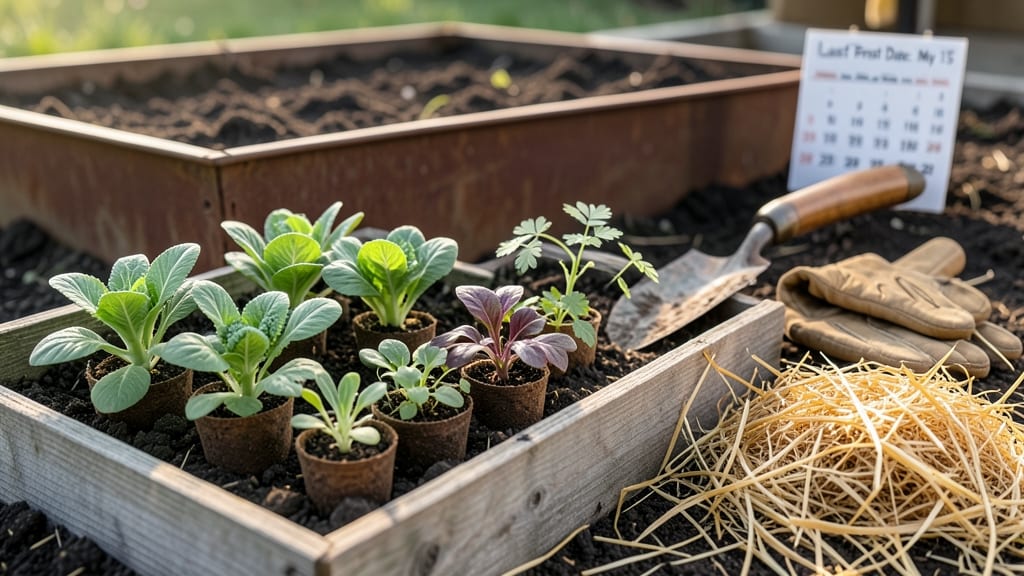
Knowing when to plant garden in Wisconsin can make or break your harvest—especially in Zone 4, where frost lingers longer than in warmer regions. One wrong move, and your seedlings could turn into frostbitten casualties before they even sprout.
But here’s the good news: with the right timing, you can grow a thriving garden full of fresh veggies, vibrant flowers, and fragrant herbs—even in Wisconsin’s unpredictable climate.
Most gardeners in Wisconsin wait until after the last frost date, typically between late April and mid-June, to plant their warm-season crops. However, cool-season plants like peas and spinach can actually handle a little chill, so they get a head start in early spring.
The key is understanding your specific USDA zone—whether you're in the cooler north or the slightly milder south—and adjusting your planting schedule accordingly.
In this guide, I’ll break down the exact windows for planting everything from potatoes to tomatoes, so you can avoid common mistakes and maximize your garden’s potential. Whether you’re a first-time gardener or a seasoned pro, these zone-specific deadlines will help you plan like a local.
Let’s get your Wisconsin garden off to the best possible start!
Ready to dive in? We’ll cover frost dates, soil prep, and even how to extend your growing season—so you can enjoy fresh harvests well into fall. No more guessing games, just proven strategies tailored to Wisconsin’s unique climate. Let’s make this your most successful gardening season yet!
Wisconsin’s last frost dates & best planting windows by month
Wisconsin’s Zone 4 climate demands precision when planting—miss the window, and frost will ruin your efforts. The average last frost date ranges from mid-April in southern WI to late May in the north, while the first frost arrives between mid-September and early October.
Planning around these dates ensures your garden thrives.
Cool-season crops like spinach, peas, and kale can handle light frosts, while tomatoes, peppers, and basil need warm soil and air temperatures. Understanding these monthly planting windows helps you maximize your harvest before Wisconsin’s short growing season ends.
Below is a month-by-month breakdown of ideal planting times, tailored to Wisconsin’s northern and southern regions. Use this as your guide to avoid frost damage and extend your harvest.
For northern Wisconsin (Zone 4a), adjust planting dates 2-3 weeks later than southern areas. Always check your local USDA Plant Hardiness Zone for precise timing—tools like the UW Extension’s Frost Date Calculator can help refine your schedule.
Pro tip: Start cool-season crops indoors in March (6-8 weeks before last frost) and warm-season crops indoors in April (4-6 weeks before last frost). This gives seedlings a head start before transplanting.
🌱 Wisconsin Planting Windows by Month
| Month | Cool-Season Crops (Direct Sow) | Warm-Season Crops (Start Indoors) | Transplant Outdoors | Fall Planting Window |
|---|---|---|---|---|
| March | Peas, Spinach, Lettuce (under cover) | Tomatoes, Peppers, Basil (start indoors) | None | Kale, Radishes (late August) |
| April | Carrots, Beets, Onions (after frost) | Cucumbers, Squash, Eggplant (start indoors) | Peppers, Tomatoes (after May 15) | Broccoli, Cabbage (late July) |
| May | Green Beans, Corn, Potatoes (after May 1) | None (transplant warm crops) | Basil, Cucumbers (after May 20) | Spinach, Arugula (late August) |
| June | Succession plant lettuce, radishes | None | None (focus on harvest) | None (prep for fall) |
| July-August | None (too hot for cool crops) | None | None | Kale, Swiss Chard (early August) |
| September | None (focus on harvest) | None | None | Spinach, Radishes (late August) |
🌡️ Key: Adjust dates 1-2 weeks earlier for southern WI or later for northern WI.
For warm-season crops, always wait until the soil temperature reaches 60°F+—cold soil stunts growth. Use a soil thermometer to check; most garden centers sell them for under $10. If frost threatens after planting, cover seedlings with frost cloth.
Fall planting is your second chance for a harvest! Cool-hardy crops like kale, spinach, and radishes thrive when planted in late July or August. These crops actually sweeten with frost, making them perfect for Wisconsin’s crisp autumn air.
Top 10 crops to plant in Wisconsin’s Zone 4 (with exact deadlines)
Wisconsin’s Zone 4 climate demands precision when planting—miss the window, and frost will ruin your hard work. I’ve prioritized the 10 most successful crops for Wisconsin gardens, complete with exact planting deadlines and frost-sensitive warnings to maximize your harvest.
For cool-season crops, start seeds indoors by early March or sow directly after the last frost date (mid-May). Warm-season crops like tomatoes and peppers need to wait until soil temperatures hit 50°F+ (late May) and use row covers for early starts.
Here’s my top 10 list with deadlines tailored to Wisconsin’s short season:
Plant early March–April (seed potatoes) or late April–May (slips). Harvest before first frost (mid-October).
Sow late April–May (after frost) or August for fall harvest. Frost-hardy but stop planting by July 15.
Direct sow March–April (spring) or July–August (fall). Thrives in cool temps—harvest until first frost.
Sow March–April or August–September. Bolt-resistant varieties like 'Bloomsdale Long Standing' extend harvest.
Start seeds indoors by March 1. Transplant after last frost (late May). Use row covers to push harvests.
Start seeds indoors by April 1. Transplant after soil warms (late May). Stop planting by June 15.
Sow March–April or July–August. Harvest before bolting (July heat) or first frost.
Direct sow March–May or July–August. Thin seedlings to 2–3 inches apart for optimal growth.
Plant after last frost (late May). Harvest every 2–3 days to encourage production. Stop planting by July 1.
Sow March–April or July–August. Cut-and-come-again harvests work until first frost.
Pro tip: Use succession planting for fast growers like lettuce and radishes to stretch your harvest. For example, sow radishes every 2 weeks from April to July for continuous yields.
Missed the spring window? Don’t worry—fall planting (August–September) works for cool-season crops like spinach and kale, giving you a second harvest before winter sets in.