
Succulent
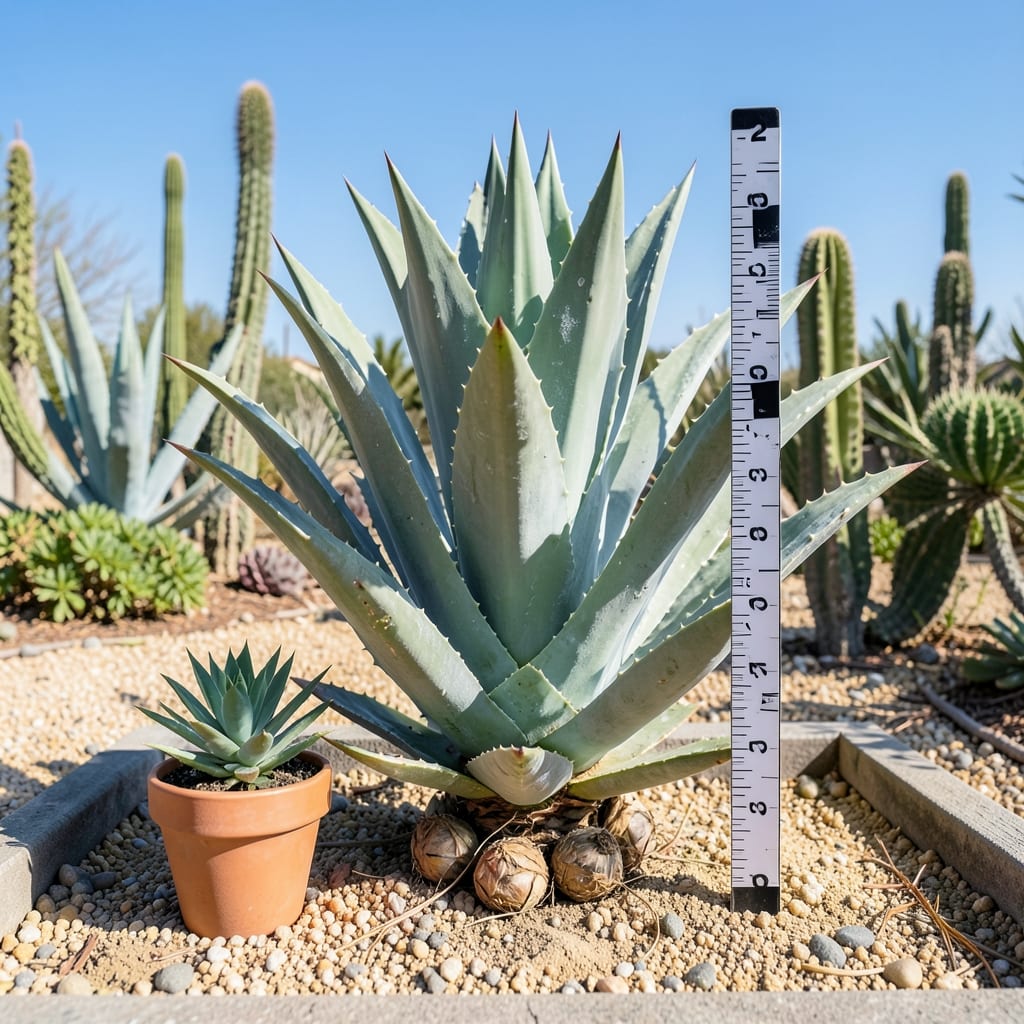
If you’ve ever wondered how tall can succulents grow—whether your tiny 🌵 will stay the size of a coin or stretch toward the ceiling—you’re not alone. The truth is, succulents can surprise you—some barely grow taller than your thumb, while others become towering giants that dwarf even the tallest houseplants.
What determines whether your 🌵 succulent stays small or skyrockets? The answer lies in its species, care routine, and growing conditions. Whether you’re dealing with a dwarf variety like Lithops or a potential giant like Aloe dichotoma, understanding these factors is the key to managing their height—and keeping them thriving.
In this guide, I’ll break down the height ranges of popular succulents, from pocket-sized plants to those that can reach over 30 feet tall. You’ll also discover how sunlight, water, and container size influence growth—and how to prune or repot to control their size.
Ready to turn your 🌵 succulent into the perfect fit for your space? Let’s dive into the surprising world of succulent heights and learn how to nurture them just right.


Succulent height ranges by type: from tiny dwarfs to tree-like giants
Succulents are famous for their compact sizes, but some varieties can grow into stunning giants—even reaching heights that rival small trees. The mature height of a succulent is primarily determined by its species, but growing conditions play a huge role too. For example, the Lithops, often called "living stones," barely grow taller than 2 inches, while the Aloe dichotoma (quiver tree) can soar to 30–50 feet in the wild.
Most succulents fall into three height categories: dwarf (under 3 inches), medium (3–24 inches), and tall (over 24 inches). Understanding these ranges helps you choose the right plant for your space—whether you’re designing a tiny terrarium or a desert-inspired garden. Let’s explore the most popular types and their expected heights.
The growth rate of succulents varies wildly. Dwarf varieties like Lithops grow at a glacial pace, while Agave can add a few inches per year once established. Even fast-growing succulents like Sedum morganianum (Burro’s Tail) typically max out at 12–18 inches in ideal conditions. If you’re growing succulents in containers, their height is naturally limited by root space, but some varieties will stretch toward light if deprived.
One surprising fact? Many succulent offsets (baby plants) grow taller than their parent. For example, a Sempervivum (hens & chicks) might stay under 3 inches, but its offsets can reach 6 inches if given enough sunlight. This is why pruning and repotting are essential for managing height—especially in leggy varieties like String of Pearls (Senecio rowleyanus).
For outdoor gardens, taller succulents like Agave or Yucca make bold focal points, while dwarfs like Crassula ovata (Jade Plant) thrive in small pots. The key to controlling height lies in understanding your succulent’s genetic potential and adjusting care to match your space. Need help choosing? Stick around—I’ll cover how to manage growth in the next section!
🌵
Why some succulents stay small while others skyrocket: growth factors explained
If you’ve ever watched your succulent grow at a snail’s pace—or stretch toward the sky like a sunflower—you’re seeing genetics and environment collide. The height of a succulent isn’t just luck; it’s a mix of species traits, light exposure, and how you care for it. For example, a Crassula ovata (Jade Plant) might stay under 3 feet indoors but reach 10 feet outdoors with full sun. Let’s break down the key factors controlling your succulent’s growth trajectory.
First, genetics set the baseline. Some succulents, like Lithops, are hardwired to stay under 2 inches, while others, like Agave americana, are built to tower. But even within a species, environmental conditions can push growth in unexpected directions. For instance, Echeveria rosettes often stay compact in shade but can stretch leggy if starved for light. Understanding these triggers helps you predict—and control— how tall your plants will get.
🌱 Factors That Influence Succulent Height
✅ Promotes Growth
- Full sun (6+ hours): Boosts vertical growth in sun-loving species
- Well-draining soil: Encourages root expansion and upward growth
- Proper container size: Larger pots allow deeper root systems
- Balanced fertilizer: Supports steady, healthy growth
❌ Stunts Growth
- Low light: Causes leggy, stretched growth (etiolation)
- Overwatering: Leads to root rot and stunted development
- Crowded roots: Small pots restrict upward growth
- Poor drainage: Suffocates roots and limits expansion
One of the biggest mistakes gardeners make is assuming all succulents thrive in the same conditions. For example, Haworthia (Zebra Plant) stays compact in indirect light but can double in height if moved to a sunny windowsill. Meanwhile, Sedum morganianum (Burro’s Tail) will elongate dramatically if its trailing stems aren’t pruned. Even watering habits play a role: too much water stunts growth, while deep, infrequent watering encourages robust root systems that support taller plants.
Another critical factor is container size. Succulents in small pots naturally stay shorter because their roots can’t expand. But if you repot a Crassula into a 12-inch container, it may grow 3x taller over 2 years. The same rule applies to outdoor planting: succulents in the ground often outgrow their potted cousins because they have more space to spread their roots—and their height.
Finally, pruning and propagation can redirect a succulent’s growth energy. If your String of Pearls is stretching too tall, cutting back the stems encourages bushier, fuller growth. Similarly, removing offsets from a Sempervivum can keep the mother plant compact while letting the babies grow taller. The key is to observe your plant’s habits and adjust care accordingly.
Ready to take control? In the next section, I’ll show you exactly how to prune, repot, and propagate your succulents to keep them at your ideal height—whether that’s a tiny desk plant or a room-filling giant.
☀️