
Succulent
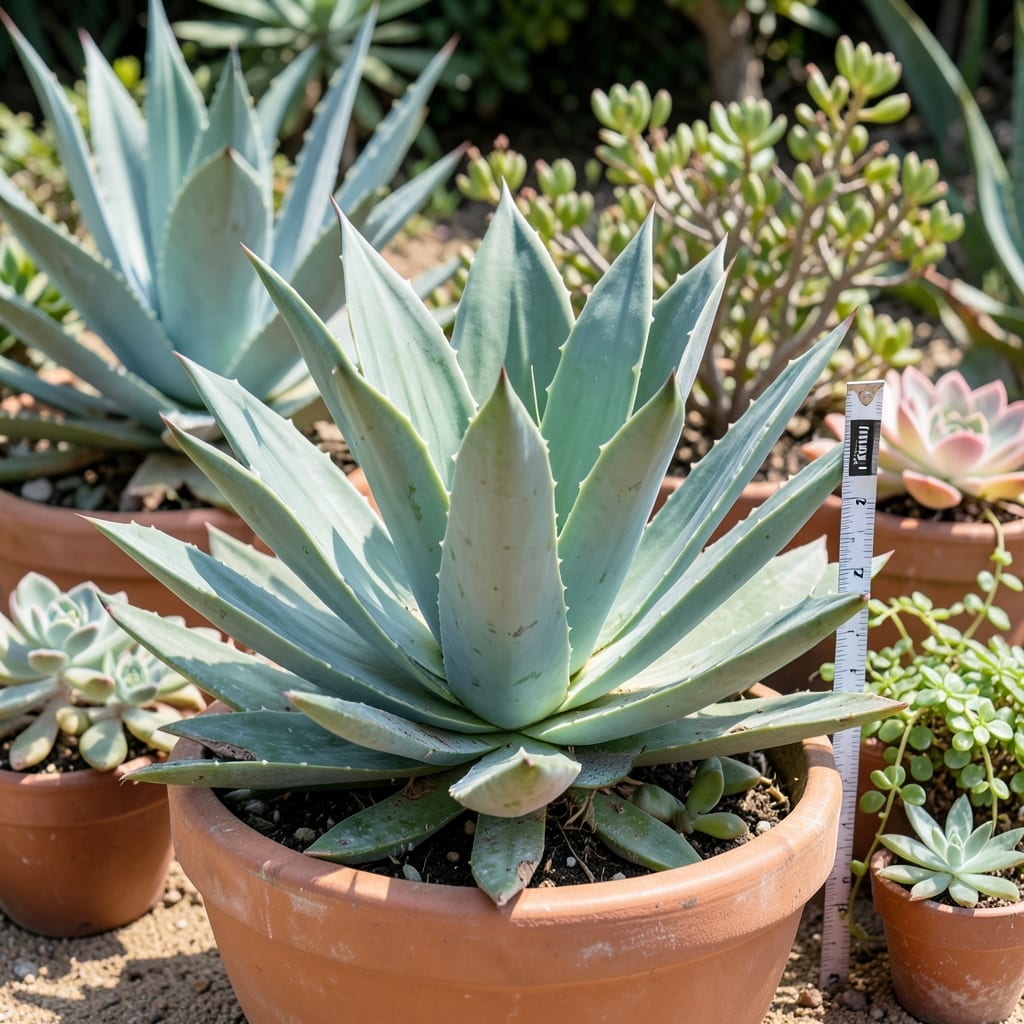
If you’ve ever wondered how tall a succulent can grow, the answer might surprise you—these plants range from tiny 🌵 windowsill wonders to towering giants that could one day touch your ceiling. Succulents aren’t one-size-fits-all; they span from thumb-sized Echeveria that thrive in small pots to Agave and Aloe that stretch taller than a person.
The height of your succulent depends on its species, care routine, and growing conditions. Some stay compact their whole lives, while others grow aggressively if given the right environment. Whether you’re dealing with a dwarf variety or a fast-growing giant, understanding these factors helps you manage (or encourage) their growth.
Let’s break down the true limits of succulent height, from pint-sized plants to towering specimens, and share practical tips to control their size. You’ll learn which species stay small, which can reach surprising heights, and how to keep them thriving—no matter how big (or small) you want them to be.
Ready to discover the secrets behind your succulent’s growth potential? Let’s dive into the fascinating world of these adaptable plants and find out just how tall they can really get.

Succulent height by variety: dwarf to giant species explained
Succulents come in every shape and size, from tiny desk plants that fit in your palm to tree-like giants that tower over your head. The mature height of a succulent depends entirely on its species—some stay under 2 inches, while others stretch to over 30 feet in ideal conditions. Let’s explore the extremes and everything in between!
If you’re growing succulents for small spaces like shelves or windowsills, varieties like Echeveria or Haworthia are perfect—they rarely exceed 6 inches in height. On the other hand, if you have outdoor garden space or a sunny patio, Agave or Aloe can become stately centerpieces, reaching heights of 6 to 10 feet over time.
🌵
One of the most misleading names in the succulent world is the Century Plant (Agave). Despite its name, it doesn’t live for a century—it blooms once and dies, but it can grow up to 10 feet tall before flowering. This makes it a dramatic focal point for outdoor gardens, especially in arid climates like USDA zones 7–11.
For indoor growers, smaller varieties like Echeveria or Lithops (living stones) are ideal because they thrive in small pots and rarely need repotting. Meanwhile, larger species like Aloe or Sansevieria (Snake Plant) can handle bigger containers and even outdoor beds if given enough sunlight.
If you’re planning a succulent garden, consider mixing heights for visual interest. Place dwarf varieties in the front and taller ones in the back. For example, a 6-inch Sedum in front of a 3-foot Aloe creates a layered, textured look that’s both functional and beautiful.
🌿
Pro tip: Always check the specific care needs of a succulent before buying. Some giant varieties require well-draining soil, full sun exposure, and larger pots to support their growth. Others, like Haworthia, can thrive in shadier conditions and smaller spaces, making them perfect for low-light offices or bathrooms with indirect light.
🪴
What determines a succulent’s height? Soil, light & care secrets
Ever notice how your succulent seems to grow differently from your neighbor’s? That’s because height isn’t just about species—it’s a mix of soil quality, sunlight exposure, and even the pot you choose. Let’s dig into the science behind why some succulents stay tiny while others stretch skyward, so you can fine-tune their growth to match your space and goals.
First, light exposure is the #1 growth regulator. Succulents crave full sun (6+ hours daily), but too much can scorch delicate varieties like Echeveria, while too little stretches them toward the light (a condition called etiolation). Place tall varieties like Aloe in south-facing windows or outdoor spots with bright indirect light to encourage sturdy, compact growth.
🌱 Key Growth Factors
- Sunlight: 6+ hours/day for optimal growth; etiolation occurs with insufficient light.
- Pot size: Root-bound plants grow taller faster; uproot every 2-3 years.
- Watering: Overwatering causes weak stems; underwatering stunts growth.
- Soil mix: Well-draining soil prevents root rot and encourages healthy roots.
- Fertilizer: Low-nitrogen feed (5-10-5) 2x/year promotes compact growth.
Your pot size plays a sneaky role too. Succulents in small pots grow taller and leggy as they compete for space, while large containers encourage spread-out roots and sturdier stems. If you’re growing a Agave that’s reaching for the ceiling, try repotting into a wider container to redirect its energy downward. Pro tip: Terracotta pots wick away moisture faster, which can slow rapid growth in thirsty varieties.
Don’t underestimate the power of watering habits. Overwatering weakens stems, making succulents top-heavy and prone to falling over, while consistent underwatering can stunt growth entirely. Aim for a deep soak every 2-4 weeks—let the soil dry completely between waterings to mimic their desert origins. In winter, cut back to monthly watering when growth slows.
Finally, climate and season matter. Succulents in hot, dry climates (like USDA Zone 9+) grow faster and taller than those in cooler regions. If you’re in a cooler zone, give them a winter rest period with less water and light to prevent leggy growth. Outdoor succulents in full sun may need shade cloth in summer to avoid sunburn, which can stress plants and alter growth patterns.
Want to control your succulent’s height? Start by mastering these factors—your plants will thank you with perfect proportions and vibrant health. Whether you’re growing a desk-sized Haworthia or a ceiling-height Agave, understanding these secrets puts you in the driver’s seat. 🌵