
Companion Plants
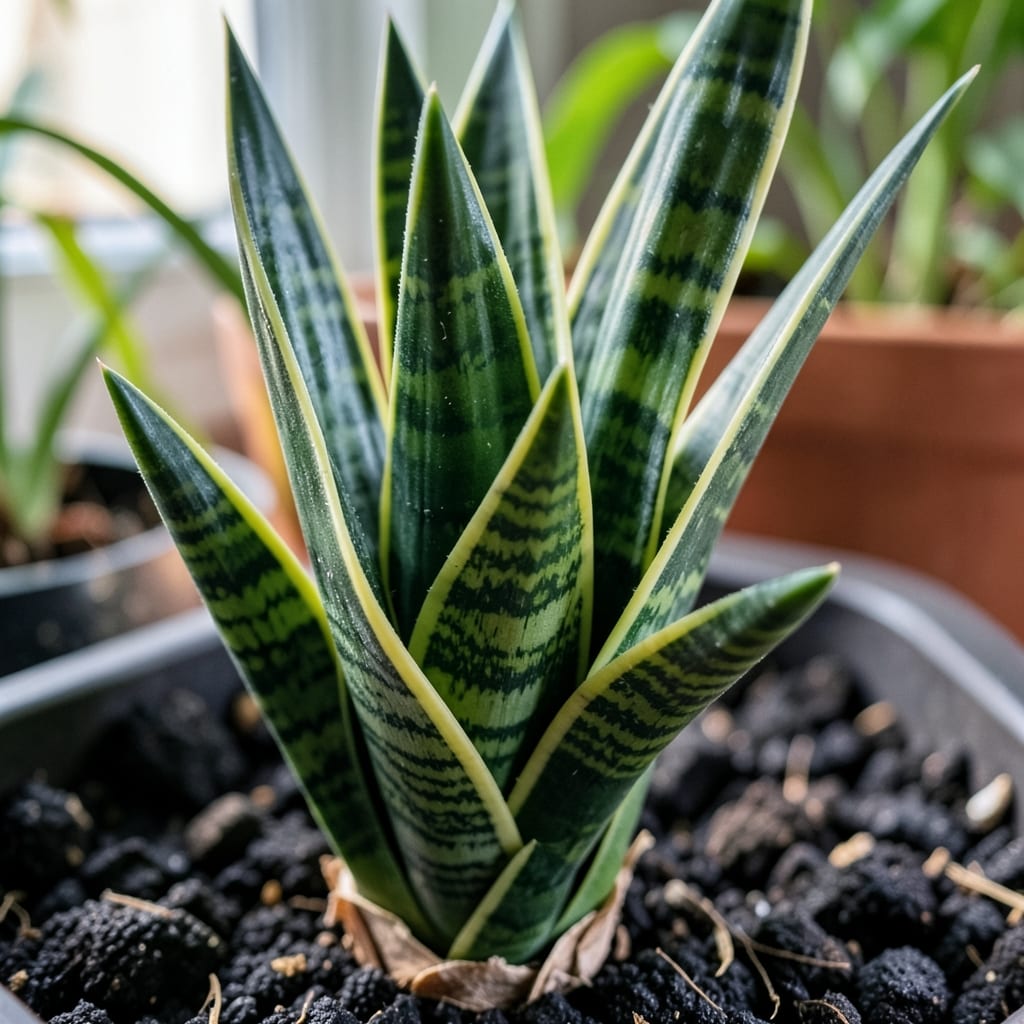
If you’ve ever wondered how much light does a snake plant require to stay happy, you’re not alone—this is the #1 question new plant parents ask. The good news? Your 🌱 snake plant is a survivor, thriving even when tucked away in dim corners where other plants wilt. But here’s the catch: while it’s low-maintenance, getting its light just right is the secret to those bold, upright leaves you love.
Most people assume snake plants need bright sunlight, but the truth is far more flexible. In fact, they’re perfectly content with just 2-4 hours of indirect light daily—making them ideal for offices, bathrooms, or even those tricky north-facing rooms. The key is avoiding harsh direct sun, which can scorch those striking variegated patterns over time.
What happens when you get the light wrong? Too little, and your plant stretches awkwardly (a sign called etiolation). Too much, and those crisp edges turn brown. I’ll show you exactly how to spot these clues and adjust your plant’s spot—whether you’re working with a 6a zone indoors or prepping for spring outdoor placement.
Ready to stop guessing and start growing? Let’s dive into the light conditions that’ll keep your snake plant lush, resilient, and looking its best—no green thumb required.

Ideal light requirements for snake plants: low to bright indirect sunlight explained
The snake plant (Sansevieria) thrives in a surprisingly wide range of light conditions, but understanding its preferences is key to keeping those iconic upright leaves looking their best. Unlike sun-loving plants, snake plants prefer indirect light—think filtered sunlight rather than harsh rays. This makes them perfect for busy households where direct sun exposure is limited or inconsistent.
Most snake plants do well with 2-4 hours of indirect light daily, but they can tolerate as little as 100 foot-candles (a measure of light intensity) in low-light conditions. For comparison, a typical office space receives around 200-500 foot-candles, while bright indirect light (like near a north-facing window) can reach 1,000-2,000 foot-candles. The goal? Avoid both too little light (which causes stretching) and too much direct sun (which burns the leaves).
Here’s the science-backed breakdown: snake plants are succulents, meaning they store water in their leaves to survive dry conditions. This trait also makes them adaptable to lower light levels, but pushing them into dark corners will stunt their growth and weaken their structure over time. The sweet spot? A balance that keeps their leaves bold, upright, and vibrant.
Variegated snake plants (like the popular ‘Futura Superba’) need slightly more light to maintain their striking patterns, while solid-green varieties (such as ‘Laurentii’) are more forgiving. If you notice your plant’s leaves losing their color or stretching toward a light source, it’s a clear sign to adjust its placement.
| Light Condition | Foot-Candles | Ideal For | Leaf Response |
|---|---|---|---|
| Low Light | 100–500 | Offices, bathrooms, north-facing rooms | Stunted growth, pale leaves, etiolation |
| Medium Light | 500–1,000 | East/west-facing windows, filtered sun | Healthy growth, vibrant color, upright leaves |
| Bright Indirect | 1,000–2,000 | South-facing windows (with sheer curtain) | Optimal growth, bold patterns, strong structure |
| Direct Sun | >2,000 | Outdoor full sun, unfiltered light | Brown tips, scorched edges, weakened leaves |
If you’re placing your snake plant near a window, aim for a spot 2-3 feet away from the glass to diffuse harsh rays. For example, a north-facing window is ideal because it provides gentle, consistent light without the intensity of southern exposure. In contrast, a south-facing window can deliver too much direct light unless you use a sheer curtain to filter the sun.
Pro tip: Rotate your plant every 4-6 weeks to ensure even growth. Snake plants grow toward the light, so turning them helps maintain a balanced, bushy shape. This is especially important if you’ve noticed one side leaning or stretching—it’s their way of reaching for more light!
For those with artificial lighting, a grow light placed 6-12 inches above the plant for 12-14 hours daily can mimic ideal conditions. LED grow lights with a 5,000-6,500K color temperature work best for snake plants, as they provide the right spectrum for photosynthesis without overheating the leaves.
Remember, snake plants are forgiving, but they’ll always tell you when something’s off. Pay attention to their leaves—they’re the best indicator of whether you’ve got the light just right. Next, we’ll cover the telltale signs of overlighting or underlighting and how to fix them before damage sets in.
Ideal light requirements for snake plants: low to bright indirect sunlight explained
Your snake plant (Sansevieria) thrives in a flexible light range, from low to bright indirect light. Unlike sun-loving plants, it doesn’t need intense rays—just enough to maintain its signature upright form. Think of it as the low-maintenance MVP of houseplants, happy in spaces where others struggle.
The sweet spot is 2-4 hours of filtered sunlight daily, like a north-facing window or 3 feet from an east-facing one. This mimics its natural habitat in shady African grasslands. Too little light? Your plant stretches tall and thin. Too much? Those crisp edges brown like toasted marshmallows.
🌱 Snake Plant Light Requirements
| Light Type | Foot-Candles | Leaf Response | Best For |
|---|---|---|---|
| Low Light | 100–500 | Slow growth, pale leaves | Offices, bathrooms |
| Medium Light | 500–1,500 | Healthy growth, vibrant colors | East/west windows |
| Bright Indirect | 1,500–2,000 | Optimal variegation, thick leaves | North windows, filtered sun |
Foot-candles measure light intensity—think of it like a plant’s sunburn meter!
For variegated varieties (like 'Futura Superba'), aim for the bright indirect range to preserve their stunning patterns. Solid-leaf types? They’re more forgiving, tolerating low light for months without complaint. Pro tip: Rotate your pot quarter-turn weekly to ensure even growth—snake plants grow toward the light like sunbathers on a beach.
If you’re placing yours outdoors in spring/summer, choose a partial shade spot under a tree or balcony awning. Direct midday sun (10 AM–2 PM) can scorch leaves, turning them crispy at the edges—a sure sign of light stress. Test your spot: If you can comfortably read a book in the shade, your snake plant will thrive there.
Remember: No light is better than too much. A snake plant left in a dark corner will survive, but it won’t flourish. Even artificial grow lights (6–8 inches away, 12–14 hours/day) can rescue a dim room. The goal? Keep those leaves plump, upright, and pattern-perfect—no sad, stretched-out sadfaces here.
Next up: We’ll tackle the telltale signs your snake plant is begging for a light adjustment—because those leaves talk, and they’re not shy about it. 🌱