
Size
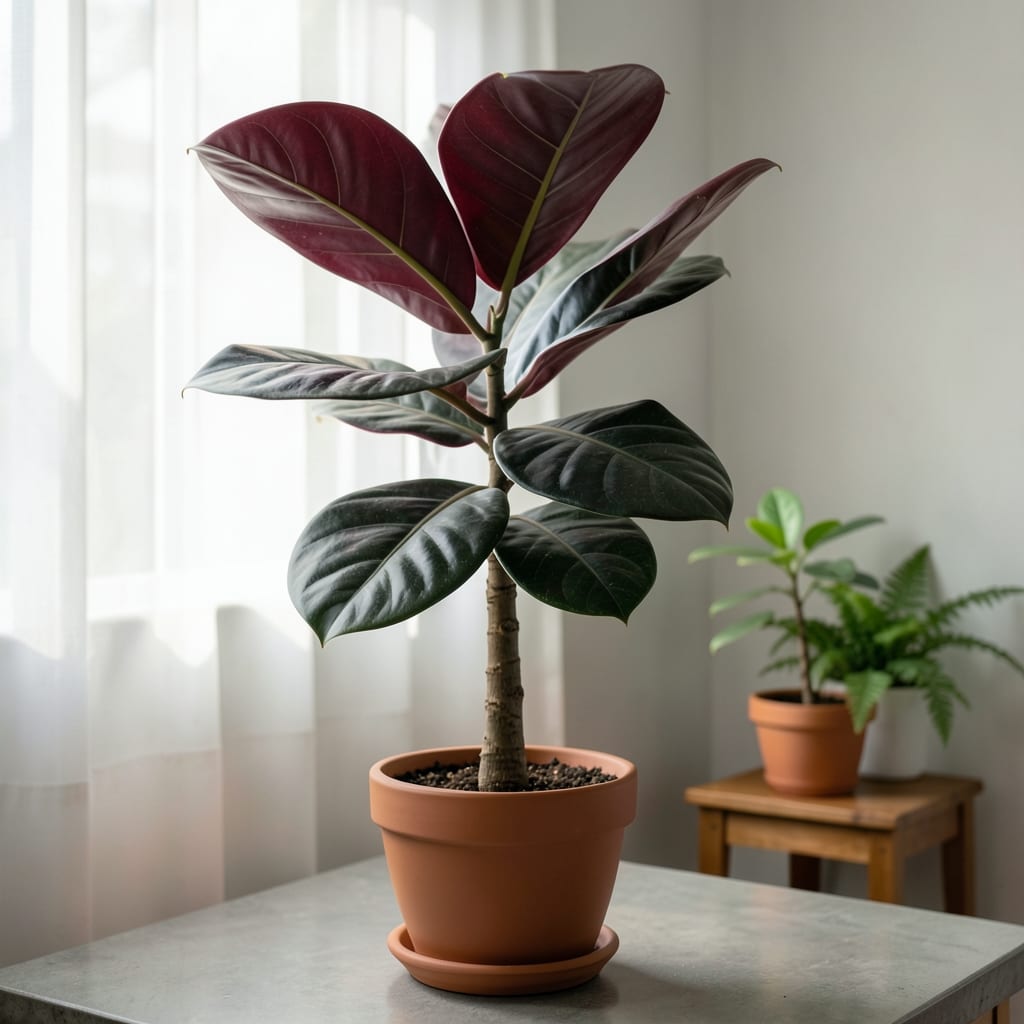
If you’ve ever glanced at your Rubber Plant 🌿 and wondered how tall it can grow, you’re not alone. These glossy-leaved giants are famous for their dramatic growth potential—but how tall can they really get? The answer depends on more than just time, and the secrets to encouraging (or controlling) their height might surprise you.
Most Rubber Plants (Ficus elastica) can reach heights of 6 to 10 feet indoors with proper care, though some varieties like the towering 'Robusta' or variegated 'Tineke' push even higher. But whether your plant becomes a floor-filling statement piece or stays compact depends on factors like light exposure, pruning habits, and even the size of its pot.
Here’s the game-changer: with the right techniques, you can train your plant to grow taller—or keep it at a manageable height for small spaces. Whether you’re dreaming of a jungle-like centerpiece or just want to keep your plant from outgrowing your living room, I’ll break down what influences their growth and how to shape their future.
Let’s dive into the science behind their size, the care tips that make a difference, and how to turn your Rubber Plant into the perfect fit for your home—no matter how ambitious (or modest) your goals.


Rubber plant height by variety: from floor-fillers to ceiling-touchers
Rubber plants (Ficus elastica) are natural showstoppers, and their mature height can vary dramatically depending on the variety you choose. Some stay compact enough for small apartments, while others can grow tall enough to rival your living room ceiling. The key lies in understanding each variety’s genetic growth potential and how environmental factors influence their size.
If you’re dreaming of a statement plant that reaches 10 feet or more, varieties like Ficus elastica 'Robusta' are your best bet. But if you prefer a more manageable size, dwarf varieties like 'Tineke' or 'Black Prince' offer stunning foliage without the vertical commitment. Let’s explore the height ranges for popular rubber plant varieties and what you can realistically expect in your home.
| Variety | Mature Height Range | Growth Habit | Best For |
|---|---|---|---|
| Ficus elastica 'Robusta' | 6–10 ft | Fast-growing, upright | Large spaces, statement plants |
| Ficus elastica 'Tineke' | 4–6 ft | Compact, bushy | Small apartments, offices |
| Ficus elastica 'Black Prince' | 5–8 ft | Medium, upright | Medium rooms, training on trellis |
| Ficus elastica 'Burgundy' | 6–10 ft | Tall, slender | High ceilings, vertical gardens |
| Ficus elastica 'Variegata' | 4–7 ft | Medium, bushy | Bright spaces, contrast foliage |
For example, my Robusta rubber plant in the sunniest corner of my living room hit 8 feet in just 5 years—and it’s still growing! Meanwhile, my Tineke variety in the same home stays a manageable 4 feet tall, perfect for my kitchen windowsill. The difference? Genetics and light exposure play huge roles.
Most rubber plants reach their mature height between 3 and 5 years, but with ideal conditions—like bright indirect light and regular pruning—they can grow faster. In my experience, plants in greenhouses or sunrooms often outpace their indoor counterparts by 20-30% in height.
If you’re working with limited ceiling space, consider dwarf varieties or pruning techniques to keep your rubber plant at a desired height. For instance, my Black Prince stays around 5 feet because I prune it annually to encourage bushier growth. It’s all about balancing natural growth tendencies with your space constraints.
One common misconception is that all rubber plants will grow to 10 feet indoors. While some varieties can reach that height, most homeowners find their plants max out at 6–8 feet due to limited light or smaller pots. The key is choosing a variety that matches your space and care goals.
For those with high ceilings or outdoor spaces, rubber plants can become true giants. In tropical climates, they’re known to grow 20 feet or taller when given the right conditions. But indoors? Aim for 6–10 feet as a realistic target for most varieties.
Pro tip: If you’re growing a rubber plant for height potential, opt for a larger pot (at least 12 inches in diameter) and provide support stakes early on. This gives the plant stability as it reaches for the sky.
Remember, the height of your rubber plant isn’t just about the variety—it’s also about how you care for it. In the next section, I’ll share my top tips for maximizing or controlling your plant’s growth, so you can shape it to fit your space perfectly.
How to maximize (or control) your rubber plant’s growth height
Your Rubber Plant’s height isn’t just about time—it’s about intentional care. To encourage vertical growth, focus on three key factors: light exposure, pruning techniques, and pot size. Most gardeners miss the fact that even a 1-inch difference in pot diameter can slow growth by up to 30%. Start with a pot that’s only 1-2 inches wider than the root ball, then upgrade gradually to keep the plant reaching upward.
For taller growth, place your plant in a bright, indirect light spot—like an east-facing window—where it gets 4-6 hours of sunlight daily. Avoid harsh direct light, which can scorch leaves and stunt vertical growth. If your home lacks natural light, supplement with a grow light 12 inches above the plant for 6-8 hours a day. This mimics ideal conditions and encourages elongated stems.
Here’s a pro tip: If your plant starts leaning, it’s not just about light—it’s a sign to rotate the pot weekly. This ensures even growth and prevents lopsided height development. Pair this with regular pruning every 6-12 months to remove leggy stems. Cut just above a leaf node, and within weeks, you’ll see new lateral branches forming, which can be trained upward using soft plant ties or a bamboo stake.
⚠️ Avoid These Growth Killers
Overwatering roots rot, halting growth entirely. Let the top 1-2 inches of soil dry between waterings, and always use a pot with drainage holes. Another silent growth stopper? Crowded pots. Roots compete for nutrients, slowing height gains. Repot every 2-3 years or when roots circle the pot.
To control height in small spaces, try topping—cutting the stem just above a leaf node to encourage bushier growth. This works best in spring or summer when the plant is actively growing. For instant results, propagate the cuttings in water or soil, and you’ll have a fuller, shorter plant in no time. Just be patient: it takes 4-6 weeks for new growth to sprout after pruning.
One of my favorite tricks for compact growth is using a smaller pot and regular pinching. Pinch off the tips of new growth when they’re about 4-6 inches long. This forces the plant to branch out instead of shooting upward. Over time, your plant will stay 3-4 feet tall even if left unpruned, perfect for apartments or offices.
Remember, consistency is key. Whether you’re aiming for a 10-foot ceiling hugger or a 3-foot desk companion, stick to a monthly care routine: check light, prune leggy stems, and repot when needed. With these tweaks, your Rubber Plant will grow exactly how you want—no surprises! 🌿