
Size
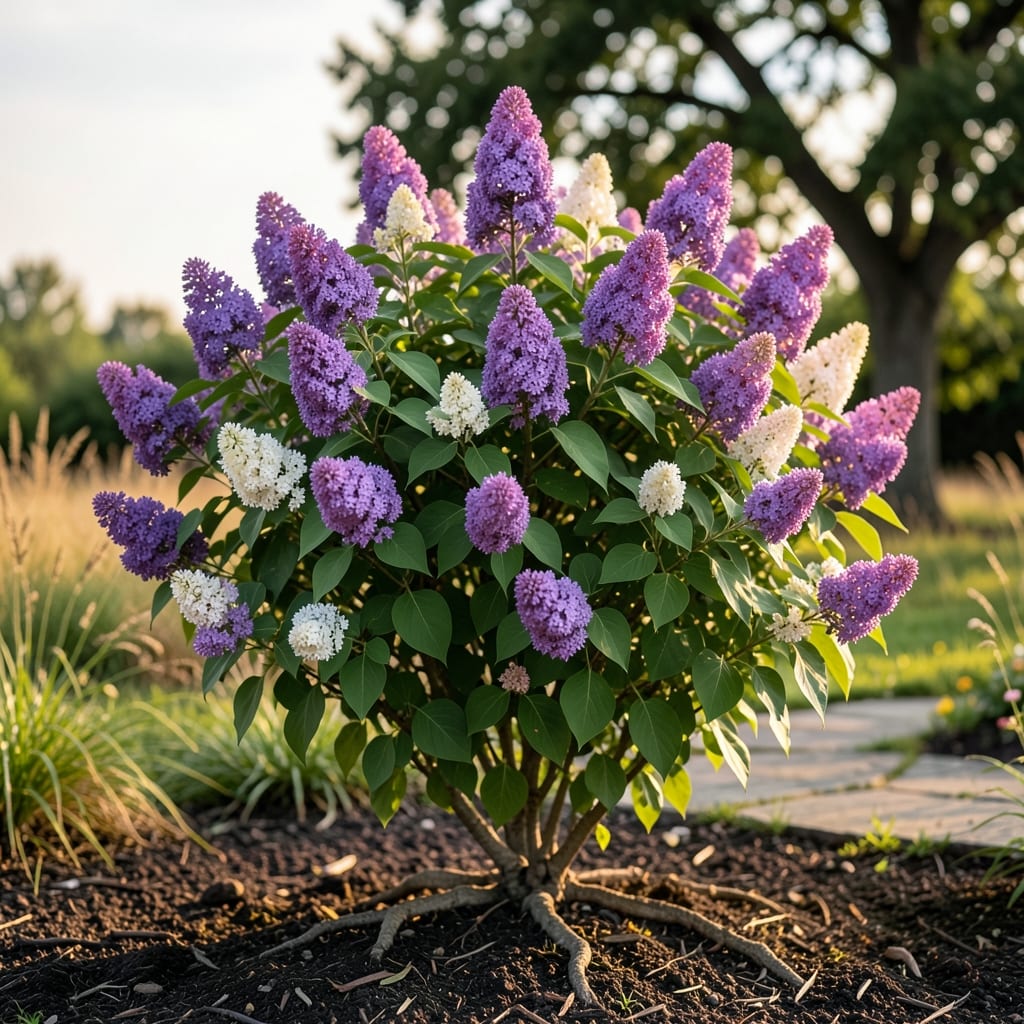
If you’ve ever dreamed of fragrant purple blooms arching over your garden fence or climbing up a trellis, you might be wondering just how tall can lilacs grow. The answer isn’t one-size-fits-all—these 🌸 beauties can range from compact shrubs to towering giants, depending on the variety and care you provide. Whether you’re planning a cozy backyard retreat or a grand landscape feature, knowing their potential height is the first step to making them work for your space.
Most lilacs in USDA Zone 6a reach between 6 and 12 feet at maturity, but some dwarf varieties stay under 3 feet, while others can stretch up to 15 feet or more. This dramatic range means your choice of lilac could completely change your garden’s layout—or your pruning routine. The key to managing their size lies in understanding their growth habits and giving them the right conditions to thrive.
In this guide, I’ll break down the height differences between common lilac types, share expert tips for controlling their growth, and even suggest the best compact varieties for small spaces. Whether you’re dealing with a sprawling standard lilac or a tiny patio-friendly shrub, you’ll learn how to keep your garden looking intentional—and your pruning shears happy.
Ready to turn your lilac dreams into reality? Let’s dive into the heights, care tips, and varieties that will help you choose the perfect 🌸 for your garden—no matter how big (or small) your space may be.


Lilac height by type: small shrubs vs. towering giants
Lilacs are famous for their intense fragrance and vibrant purple blooms, but their height can vary dramatically depending on the variety. Most lilacs reach 6 to 12 feet at maturity, but some dwarf types stay under 3 feet, while rare giant cultivars can tower over 20 feet. Understanding these differences is key to choosing the right lilac for your space—whether you want a privacy screen or a compact patio plant.
Standard lilacs, like the classic 'Katherine Havemeyer', grow 10 to 15 feet tall, making them perfect for large gardens or as focal points. These varieties thrive in open spaces with plenty of sunlight and room to spread. On the other hand, dwarf lilacs like 'Minnesota Snowflake' max out at 3 to 4 feet, ideal for small yards, containers, or even window boxes.
Here’s how to match lilac height to your garden’s needs, from tiny shrubs to towering giants:
If you’re planning your garden layout, consider how lilacs grow over time. A standard lilac planted near a fence might eventually block sunlight for other plants, while a dwarf variety in a container can add fragrance to a balcony without overpowering the space. Always check the mature height of the variety you choose, as lilacs grow slowly but steadily—some can take 5 to 10 years to reach full size.
Another factor influencing height is pruning practices. Regular pruning can keep even tall lilacs manageable, while neglect can lead to uncontrolled growth and leggy branches. For example, the 'Bloomerang' lilac, a semi-dwarf, can be pruned aggressively to stay under 6 feet, but left unchecked, it may reach 8 feet. Always prune after flowering to avoid cutting off next year’s blooms.
Climate also plays a role. Lilacs in cooler northern climates (USDA Zones 3–6) tend to grow taller and bushier than those in warmer southern regions, where heat can stunt their growth. If you live in a hotter zone, choose heat-tolerant varieties like 'Missouri Volunteer' or provide afternoon shade to prevent stress.
For those with limited space, container-grown lilacs are a game-changer. Dwarf varieties like 'Dwarf Korean Lilac' thrive in 15-gallon pots and can be moved seasonally to follow the sun. Just ensure the container has drainage holes and use a well-draining potting mix to prevent root rot.
Pro tip: If you’re unsure about a lilac’s eventual size, ask your local nursery for a mature height guarantee or check the plant tag. Some nurseries even offer size-controlled hybrids designed for specific spaces. With the right variety, you can enjoy lilacs’ signature fragrance without sacrificing your garden’s layout.
How to control lilac growth: pruning tips for different heights
Pruning is the secret weapon for managing lilac height—whether you want to keep them compact or encourage towering growth. The right technique can transform a 15-foot giant into a 6-foot shrub or turn a dwarf variety into a bushier, more abundant bloomer. But timing and method matter: prune at the wrong time, and you could stunt blooms or invite disease. For most lilacs, the best time to prune is late winter or early spring, just as buds begin to swell but before new growth starts.
If you’re dealing with a standard lilac (like 'Katherine Havemeyer'), aim to prune 1/3 of the oldest wood each year to maintain shape and airflow. This prevents crowded branches that can lead to pests or fungal issues. For dwarf lilacs, like 'Minnesota Snowflake', prune lightly—just enough to shape the plant and remove dead wood—since aggressive cuts can stress small shrubs. Always use sterilized pruners to avoid spreading disease between cuts.
Here’s a step-by-step guide to pruning lilacs for different heights, tailored to your garden’s needs:
- 🌱 Step 1: Identify Old vs. New Wood
Lilacs bloom on last year’s wood, so prune after flowering to avoid cutting off next year’s blooms. Old wood is darker, thicker branches near the base, while new growth is lighter and thinner. - ✂️ Step 2: Cut at the Right Angle
Make cuts just above a bud or branch at a 45-degree angle. This encourages water to drain away from the cut, reducing rot risk. Avoid leaving stubs, which can invite disease. - 🌿 Step 3: Thin Out Crowded Branches
Remove 1-3 oldest stems per plant to improve airflow. Focus on crossing or rubbing branches first, as these compete for nutrients and can weaken the plant. - 🌳 Step 4: Shape for Height Control
To lower a tall lilac, cut back up to 1/3 of the tallest branches to a bud or side branch. For dwarf lilacs, prune lightly to encourage bushiness rather than height. - 💧 Step 5: Clean Up Debris
Remove all pruned branches and leaves from the area to prevent fungal spores from lingering. Dispose of clippings in the trash, not the compost, to avoid spreading disease.
One common mistake is pruning lilacs in summer or fall, which can stimulate tender new growth that won’t survive winter. Another pitfall is over-pruning, which stresses the plant and reduces flowering. If your lilac isn’t blooming well, it might be under-pruned—older lilacs need occasional rejuvenation pruning, where you cut back 1/2 to 2/3 of the plant to a strong branch or the ground. This dramatic approach is best done in early spring and can revive an overgrown lilac in just a few years.
For weeping lilacs like 'Pendula', focus on pruning the centers to encourage outward growth and prevent a bare middle. These varieties naturally grow 8–12 feet tall but can be trained to spill gracefully over trellises or pergolas. If you’re growing lilacs in containers, prune more aggressively in early spring to control size and promote compact growth. Just ensure the container is large enough—dwarf lilacs need at least a 15-gallon pot to thrive.
Pro tip: If your lilac is too tall for its space, consider topiary shaping to create a formal hedge or ornamental silhouette. Use a hand pruner for fine details and loppers for thicker branches. With the right pruning routine, you can shape lilacs into almost any form—whether you want a privacy screen, a fragrant border, or a statement tree.
Remember, lilacs are forgiving plants, and even minor pruning mistakes won’t kill them. The key is consistency—prune annually to maintain health and encourage abundant blooms. With these tips, you’ll keep your lilacs at the perfect height for your garden, no matter how big (or small) your space may be.