
Flowers
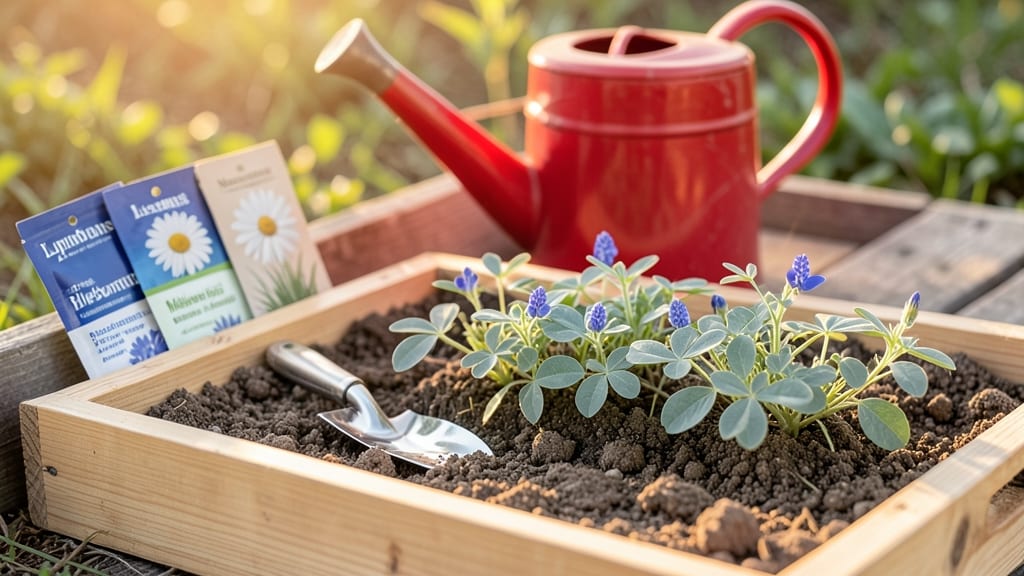
Planting flower seeds in Texas at the wrong time can turn your gardening dreams into a sad, wilted memory before they even sprout.
With 10 distinct heat zones across the Lone Star State, knowing when to plant isn't just about seasons—it's about surviving Texas' brutal summers and unpredictable frosts. Whether you're in frost-prone North Texas or frost-free South Texas, timing makes all the difference between vibrant blooms and struggling seedlings.
I've spent years perfecting the art of Texas flower gardening, and what I'm about to share will help you avoid common mistakes that waste time, money, and effort. From bluebonnets to zinnias, we'll cover exactly when to plant each type for maximum success in your specific zone.
Ready to transform your garden into a year-round paradise? Let's dive into the heat zone deadlines that will give your flower seeds the best possible start—no matter where in Texas you're growing.
Texas heat zones explained: when to plant flower seeds by region
Texas stretches across USDA zones 7a to 10b, meaning frost dates vary wildly from the Panhandle to South Texas. The last average frost in Zone 8a (North Texas) hits around February 15, while Zone 9a-10b (South Texas) sees no frost at all.
This means your planting window could be a tight 6 weeks in the north or year-round in the south!
For annual flowers like marigolds or zinnias, aim to sow seeds 2-4 weeks after your last frost when soil reaches 60°F+. Perennials like black-eyed Susans or coneflowers can handle cooler temps, so plant them 6-8 weeks before last frost for early blooms.
Here’s how to match your region to the perfect planting timeline:
| Region | USDA Zone | Last Frost | Ideal Planting Window | Notes |
|---|---|---|---|---|
| North Texas (Dallas, Fort Worth) | 8a | Feb 15 | March–April (annuals); Sept–Oct (fall) | Cold snaps possible; mulch heavily. |
| Central Texas (Austin, San Antonio) | 8b–9a | Jan 31–Feb 15 | Feb–May (annuals); Sept–Nov (fall) | Humidity spikes in summer; shade cloth helps. |
| South Texas (Houston, Corpus Christi) | 9a–10a | None | Year-round (succession plant) | Heat-tolerant varieties like lantana thrive. |
| West Texas (El Paso, Lubbock) | 7b–8a | Feb 28 | April–May (annuals); Sept (fall) | Drought-prone; drip irrigation essential. |
Texas’ microclimates add another layer—urban areas like Austin stay 5°F warmer than rural zones, while hill country can drop 10°F colder at night. Use a soil thermometer to confirm 60°F+ soil temps before planting heat-lovers like sunflowers or cosmos.
For cold-hardy natives like bluebonnets or wildflowers, plant seeds in late fall (October–November) to establish roots before spring blooms. These drought-tolerant beauties handle Texas’ 100°F+ summers with ease once established.
Pro tip: Check Texas A&M AgriLife’s frost maps for your exact county—frost dates can shift 1-2 weeks yearly. Zone 8a gardeners should also plan for late spring frosts in April!
If you’re in Zone 9a-10b, you’re in luck—year-round planting is possible! Start heat-loving annuals like portulaca or celosia in early spring for summer blooms, then succession plant every 6 weeks to avoid gaps.
Remember: Soil prep is just as critical as timing. Texas soils are often alkaline and clay-heavy, so amend with compost and gypsum 4–6 weeks before planting to improve drainage and fertility.
Best flower seeds to plant by Texas season: spring vs. fall strategies
Texas gardeners have two prime windows for planting flower seeds: spring and fall. Each season offers unique advantages, depending on your heat zone and the type of blooms you want.
In Zone 8a, aim for late February to early April for spring planting, while Zone 9a-10b gardeners can plant year-round—just avoid peak summer heat. For fall, September to November works best across all regions, as cooler temps reduce stress on seedlings.
Spring planting rewards you with vibrant blooms like marigolds, zinnias, and cosmos, which thrive in Texas’s warming soil. Fall favorites include pansies, snapdragons, and calendulas, which handle cooler nights better.
My North Texas garden always gets a jumpstart with bluebonnets in early spring, while my South Texas friends plant portulaca in late summer for heat resistance.
🌱
✅ Best for: annuals like marigolds, zinnias, sunflowers
🌡️ Soil temp: 60°F+ (test with a thermometer!)
💡 Pro tip: Start heat-tolerant seeds like cosmos in late March to avoid wilting.
✅ Best for: perennials like black-eyed Susans, salvia
🌡️ Soil temp: 70°F (cooler than spring!)
💡 Pro tip: Plant 6–8 weeks before first frost (earlier in Zone 8a).
✅ Best for: heat-lovers like portulaca, lantana, Mexican sunflower
💧 Watering: Daily deep soaks (1 inch)
⚠️ Warning: Avoid planting cool-season flowers like pansies.
✅ Plant anytime except peak summer (May–Aug)
🌿 Top picks: Hibiscus, bougainvillea, sweet potato vine
💡 Pro tip: Use shade cloth for seedlings in summer.
Succession planting is my secret weapon for non-stop color. In North Texas, I sow marigold seeds every 2 weeks from March to June, ensuring blooms all summer long. Meanwhile, East Texas gardeners can stretch fall planting into early December for winter pansies, thanks to milder microclimates.
Always check your local frost dates—Texas A&M AgriLife’s frost map is a lifesaver!
Don’t overlook container gardening for small spaces. Petunias and geraniums thrive in pots and can be planted 2–3 weeks later than in-ground seeds, giving you flexibility. Just ensure containers have drainage holes—Texas’s alkaline soil + summer heat = root rot risks if you’re not careful.
🌻 For drought-prone areas like West Texas, opt for native wildflowers (e.g., bluebonnets, Indian paintbrush)—they’re already adapted to our 100°F+ summers and need minimal watering. Pair them with mulch to retain moisture, and you’ll have a low-maintenance paradise with zero guilt over water bills.