
Plants
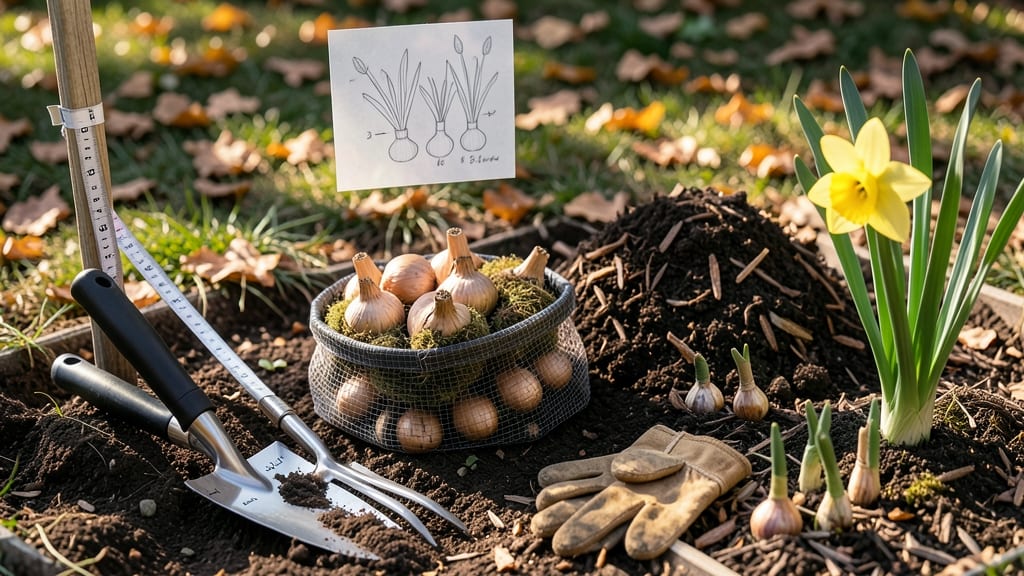
Planting daffodils in California can feel like a guessing game—too early, and your bulbs might rot; too late, and they’ll miss the sweet spot for spring blooms. The best time depends on where you live, whether you’re in foggy coastal zones or sunbaked inland valleys.
In most of California’s USDA zones 9-10, fall is your golden window—think October to December—when soil cools and winter rains prepare the ground. But inland areas with colder snaps (like Zone 8) might need to wait until early winter, around January, to avoid frost damage.
The key? Plant when daytime temps hover around 60°F and nights dip below 50°F.
I’ve learned the hard way that timing isn’t just about months—it’s about cues like soil moisture and local frost dates. Coastal gardeners can push planting later, while desert dwellers in Zone 10 should act fast before the first chill.
Let’s break down the exact steps to nail your 🌼 daffodil timing, no matter where you’re growing.
You’ll also discover how to prep your soil, choose the right bulb depth, and even spot the perfect moment when your garden is truly ready. Trust me, getting this right means vibrant blooms next spring instead of years of waiting.
California daffodil planting calendar by USDA zones (9-11)
California’s diverse microclimates mean daffodils can thrive year-round, but timing is critical. In coastal zones (9-10), plant from October to November to avoid winter rains. Inland areas (8-9) should aim for November to December when soil temps drop to 50-60°F—ideal for root growth.
Desert regions (10-11) can plant as late as January since frost is rare.
Your USDA zone dictates everything. Coastal gardeners in Zone 9-10 have the longest window, while Zone 8 inland valleys must act quickly before cold snaps. Even a 10-day delay can push blooms into summer heat, causing petals to scorch. Let’s break down the perfect timing for each region.
🌱 Key Rule: Plant when daytime temps average 60°F and nighttime temps drop below 55°F. This triggers bulb dormancy and root growth. Use a soil thermometer if unsure—50-60°F is the golden range.
| USDA Zone | Region | Best Planting Window | Soil Temp Goal | Frost Risk |
|---|---|---|---|---|
| 9-10 | Coastal (San Francisco, LA) | October 15 - November 15 | 50-60°F | Low (rare below 32°F) |
| 8-9 | Central Valley (Sacramento) | November 1 - December 15 | 50-55°F | Moderate (light frosts) |
| 10-11 | Desert (Palm Springs) | January 1 - February 15 | 55-65°F | None |
In Zone 9-10 coastal areas, daffodils planted in late October will often bloom by February, while December plantings may wait until March. The trade-off? Earlier plantings risk winter rains that can rot bulbs, while late plantings may not establish roots before summer heat.
Aim for 6-8 weeks before first frost in your area.
For inland valleys (Zone 8-9), prioritize November plantings—this gives bulbs time to root before December frosts. Use mulch (3-4 inches) to insulate soil and protect new roots. In desert zones (10-11), plant in January to avoid summer’s 100°F+ soil temps, which can bake bulbs.
Pro tip: Layer plantings every 3-4 weeks to extend blooms from February to April. For example, plant 1/3 of bulbs in October, 1/3 in November, and the final 1/3 in December. This staggered approach ensures continuous color and reduces risk from unpredictable weather.
Watch for soil moisture—daffodils hate soggy conditions. In coastal regions, plant on dry days to avoid muddy soil. Inland areas should wait until rainfall slows after November. Use a moisture meter to confirm soil is damp but not waterlogged at planting depth (6-8 inches).
If you miss the fall window, don’t panic! Zone 9-10 gardeners can plant in early January for spring blooms. However, bulbs may struggle in Zone 8 or colder if planted after December 15.
For these areas, chill bulbs in the fridge for 6-8 weeks before planting to mimic winter dormancy.
Remember: Daffodils need cold to bloom, but too much frost can damage foliage. In Zone 7 (high desert), protect plantings with burlap wraps during sub-25°F nights. In mild zones, focus on consistent moisture—deep watering every 10-14 days keeps roots happy without over-saturating the soil.
Signs your California garden is ready for daffodil bulbs
California’s varied climate means your daffodil planting window isn’t one-size-fits-all. Before you dig, check these environmental cues to ensure your garden is primed for success. The right conditions—like soil temperature and daylight hours—can mean the difference between vibrant blooms and wasted bulbs.
First, monitor your soil temperature. Daffodils thrive when soil is between 50-60°F. Use a soil thermometer to confirm—most California regions hit this mark in late October to December, but coastal areas may be ready earlier. If your soil is still warm, wait a few weeks.
Next, observe your daylight hours. Daffodils need 10-12 hours of daylight to trigger bulb dormancy. In California, this typically aligns with October to November, but high desert areas may need to wait until December. Check local sunrise/sunset times to time your planting perfectly.
Now, assess your soil moisture. Daffodils hate soggy soil, so avoid planting after heavy rains. Instead, aim for moderately moist but well-draining soil. If your garden has clay-heavy soil, amend it with compost or sand before planting to prevent waterlogging.
Pay attention to pest activity, too. Squash beetles and slugs are common in California gardens. If you spot these pests now, treat the area with neem oil or diatomaceous earth before planting to protect your bulbs. A pest-free start means healthier roots and stronger blooms.
Finally, consider your microclimate. Urban heat islands, coastal fog, and high desert regions all affect planting times. For example, Los Angeles (Zone 10) can plant as late as December, while Sacramento (Zone 9) should plant by November. Adjust based on your local frost dates and weather patterns.