
Plants
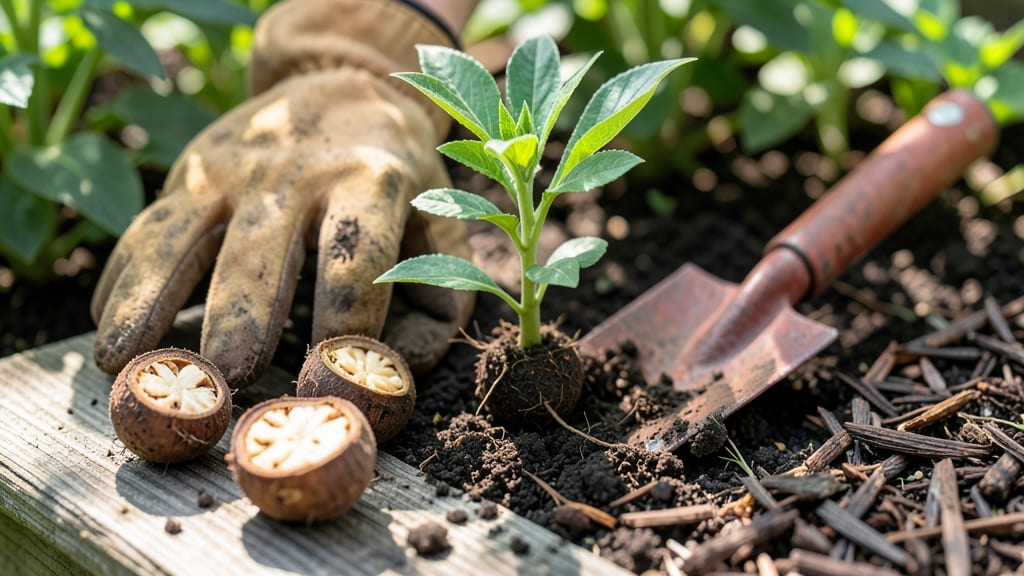
Timing when to plant dahlias in Maine just right means the difference between a garden bursting with 🌼 blooms and tubers rotting in cold soil. With Maine’s short growing season and unpredictable frost dates, getting those tubers in the ground at the perfect moment is the key to success.
Most gardeners in USDA Zones 5b-6b wait until mid-to-late May, after the last frost has passed and soil temperatures climb above 55°F. But rushing too early can leave your dahlias vulnerable to frost damage, while planting too late might cut your blooming season short.
In this guide, I’ll walk you through the exact frost-free window for your zone, plus pro tips to extend your dahlias’ season so you can enjoy their stunning flowers well into October.
Whether you’re a first-time planter or a seasoned gardener, these strategies will help you maximize your summer blooms without the guesswork.
Ready to transform your garden into a dahlia paradise? Let’s dive into the best planting times, variety choices, and care tricks to make your Maine garden shine.
Maine’s frost-free dates by Zone: the exact window to plant dahlias
Maine’s cool, short growing season demands precision when planting dahlias. Unlike warmer climates, you can’t just toss tubers in the ground—timing is everything.
The average last frost date across Maine ranges from mid-May in southern zones to late May in northern regions, but microclimates (like coastal areas) can shift this by weeks.
Dahlias need soil temperatures above 55°F and frost-free conditions to sprout reliably. Planting too early risks rotten tubers or stunted growth, while waiting too long cuts your blooming window short. Let’s break down the exact planting windows by USDA zone and share my foolproof method for adjusting to Maine’s whims.
⚠️ NON-NEGOTIABLE: Always check your local frost-free date using the National Weather Service or a planting calendar. In Maine, this can vary by 10–14 days from the average!
| USDA Zone | Avg. Last Frost | Plant Tubers | Plant Transplants | Bloom Window |
|---|---|---|---|---|
| 5b (Southern ME) | May 10–15 | May 20–25 | June 1–5 | July 15–Oct 1 |
| 6a (Central ME) | May 15–20 | May 25–30 | June 5–10 | July 20–Sep 25 |
| 6b (Northern ME) | May 20–25 | June 1–5 | June 10–15 | July 25–Sep 20 |
🌱 Pro Tip: Use row covers to plant tubers 2 weeks earlier in zones 5b–6a.
For tubers, aim to plant 2–3 weeks after your last frost when soil reaches 55°F.
In Zone 5b, that’s May 20–25, while Zone 6b gardeners should wait until June 1–5. Transplants (young plants) are more forgiving—plant them 4–6 weeks after last frost for a longer bloom season.
Maine’s microclimates can shift planting dates by 10–14 days. Coastal areas (like Portland or Bar Harbor) often warm up 1–2 weeks earlier than inland spots. Use a soil thermometer to confirm 55°F soil temps—this is your green light to plant!
If you’re starting tubers indoors (a great trick for Zone 6b), begin 8–10 weeks before your last frost). Use seedling trays with well-draining soil and keep them in a sunny window or under grow lights. Harden off seedlings for 1 week before transplanting to avoid shock.
For container gardening, plant tubers in large pots (12"+ diameter) with drainage holes. Move containers to a protected spot (like a sunroom or patio) if night temps dip below 50°F. This buys you 2–3 extra weeks of blooms!
Watch for false springs—those unseasonable warm spells in April that trick you into planting early. Dahlias hate cold snaps after sprouting. If temps drop below 40°F after planting, cover tubers with straw or mulch to insulate them.
To extend your bloom season, choose early-blooming varieties (like 'Café au Lait') and deadhead regularly. This encourages new flowers right up until the first frost. In Zone 5b, that could mean October blooms—worth the effort!
Best dahlias for Maine’s short growing season: varieties that thrive early
Maine’s short growing season demands dahlia varieties that bloom quickly and tolerate cooler temperatures. Not all dahlias thrive in USDA Zones 4-6, but these fast-growing, cold-hardy options will reward you with vibrant blooms from July through October—or even later with care.
When selecting dahlias, prioritize early bloomers and compact varieties to maximize your 165-day frost-free window. Dwarf and semi-dwarf types are ideal for Maine gardens, as they establish roots faster in cooler soils and produce flowers sooner than their tall counterparts.
Here are my top picks for Maine-friendly dahlias, chosen for their quick establishment, cold tolerance, and prolonged bloom times. Each variety is tested for resilience in Maine’s climate, ensuring you’ll enjoy showstopping flowers without the risk of late-season frost damage.
- 🌱 'Café au Lait' – Dwarf variety (18-24" tall) with buttery-white blooms that open early. Thrives in partial shade and tolerates 50°F soils.
- 🌿 'Karma Choc' – Dark chocolate blooms with bold red centers, perfect for cutting. Reaches 36-48" height but blooms in 60-70 days.
- ✂️ 'Thomas Edison' – Orange pom-pom blooms that resemble mini sunflowers. Compact (24-30") and disease-resistant, ideal for container gardening.
- ☀️ 'Bishop' – Deep red, dinner-plate blooms that rebloom prolifically. Needs full sun but establishes quickly in warmed soil.
- 🌸 'Mignon' series – Miniature dahlias (12-18") with endless color options. Perfect for rock gardens or window boxes.
For extended fall color, focus on late-season bloomers like 'Bishop' or 'Karma Choc'. These varieties continue producing flowers well into September and October if protected from early frosts. Pair them with heat-tolerant annuals like zinnias or cosmos to bridge gaps in your garden’s bloom timeline.
When planting, prioritize well-draining soil and full sun exposure to help dahlias establish roots quickly. In cooler Maine springs, consider soil warming tricks like black plastic mulch or straw bales to accelerate growth. With the right variety and care, your dahlias will outshine even the shortest Maine summers.
Start your dahlias indoors in early April for a 2-week head start, or plant tubers directly after your last frost date (typically mid-to-late May). The key is patience and preparation—Maine’s gardens reward those who plan ahead!