
Companion Plants
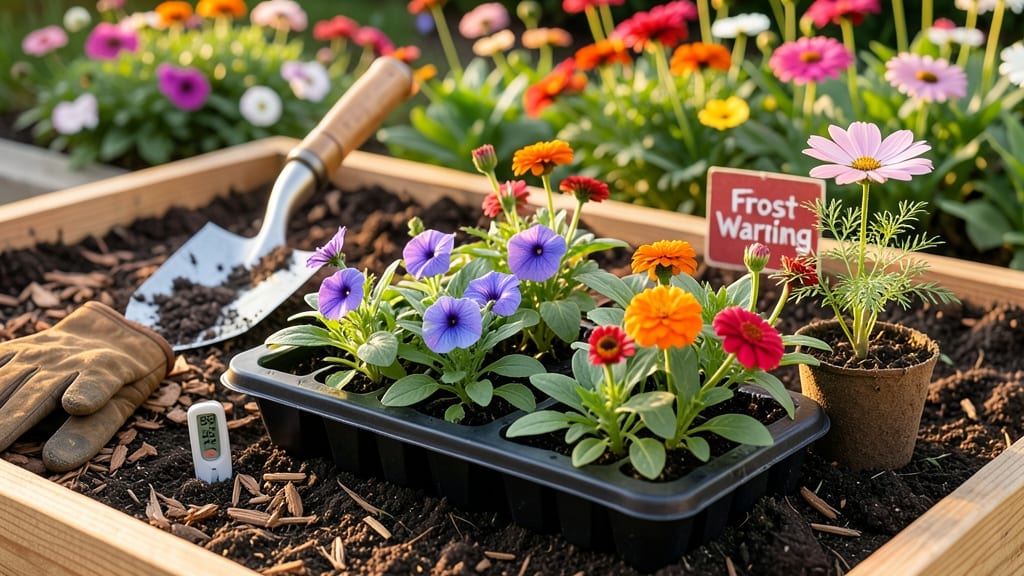
Zone 6 last-frost dates by month: exact planting windows for annuals
Planting annuals in Zone 6 hinges on understanding your last-frost dates, which vary by region. Northern areas like Chicago average their last frost around April 15–May 1, while southern parts like Nashville see frost-free conditions by March 20–April 5.
These dates separate cool-season annuals (like pansies) from warm-season varieties (like marigolds).
Cool-season annuals thrive when planted 4–6 weeks before your last frost. For Nashville, that means starting seeds indoors by February 15 or sowing directly in late February.
In Chicago, wait until mid-April for direct sowing. Warm-season plants, however, need soil temperatures above 60°F—typically 2–4 weeks after your last frost.
Use a soil thermometer to confirm warmth. In Zone 6, this usually aligns with May 1–15 for most areas. Planting too early risks frost damage, while waiting too long cuts bloom time. For example, petunias planted after May 20 may struggle to establish before summer heat.
🌱
For vegetable annuals, timing matters even more. Leafy greens like lettuce can handle light frosts, so plant them 2–3 weeks before your last frost. Tomatoes, however, need warmth—wait until 2 weeks after your last frost and use black plastic mulch to warm soil faster.
Extend your season by planting succession crops. For example, sow bush beans every 2 weeks from May to July for continuous harvests. Similarly, radishes mature in 30 days, making them perfect for quick replanting.
Always check your local almanac for microclimate variations. A south-facing slope may warm up 1–2 weeks earlier than a shady spot. Use frost cloth to protect tender seedlings if late frosts threaten.
🌿
Fall planting is another opportunity in Zone 6. Cool-season annuals like kale or pansies can be sown 8–10 weeks before your first frost (typically October 15–November 1). This gives them time to establish before winter.
Pro tip: Use heat-tolerant varieties like cosmos or zinnia to bridge gaps between spring and fall plantings. These thrive in Zone 6 heat and attract pollinators all season.
🌻
Zone 6 last-frost dates by month: exact planting windows for annuals
In Zone 6, your last-frost dates can vary by 2-3 weeks depending on whether you're in northern (e.g., Chicago) or southern (e.g., Atlanta) areas. Most regions see their average last frost between April 15–May 1, but cooler microclimates may delay this by 3 weeks.
Warm-season annuals like marigolds and petunias need soil temperatures above 60°F to thrive, while cool-season varieties (e.g., pansies) can handle light frosts.
Timing is everything—plant cool-season annuals like lettuce or snapdragons 4–6 weeks before your last frost, while warm-season plants (tomatoes, basil) should wait until 2 weeks after the last frost.
Southern Zone 6 areas (e.g., Nashville) can start earlier, but northern areas (e.g., Detroit) may need to wait until mid-May.
| Region | Avg. Last Frost | Cool-Season Planting | Warm-Season Planting |
|---|---|---|---|
| Northern Zone 6 (Chicago, Detroit) | May 1–15 | March 15–April 15 | May 15–June 1 |
| Southern Zone 6 (Atlanta, Nashville) | April 15–May 1 | February 28–March 31 | April 15–May 1 |
| Mountainous Areas (Asheville, Roanoke) | May 1–10 | March 20–April 10 | May 10–20 |
For warm-season annuals, soil temperature matters more than air temperature. Use a soil thermometer to confirm 60°F+ before planting heat-lovers like peppers or geraniums. In northern Zone 6, this often aligns with late May, while southern areas can start as early as mid-April.
Extend your season by using row covers for early plantings or choosing cold-hardy varieties like stock flowers or calendula. These tolerate 28°F frosts, buying you extra weeks of blooms. Always check your local USDA frost map for precise dates—your neighbors’ gardens may have different timelines!
Pro tip: Succession planting every 2–3 weeks after your last frost ensures continuous blooms. Start with fast growers like radishes or bush beans, then transition to slower varieties like cosmos or zinnia.
Remember, fall planting is just as critical! Many annuals (e.g., kale, pansies) thrive when planted 6–8 weeks before your first frost (typically October 15–November 1 in Zone 6). This gives them time to establish roots before winter.