
How To
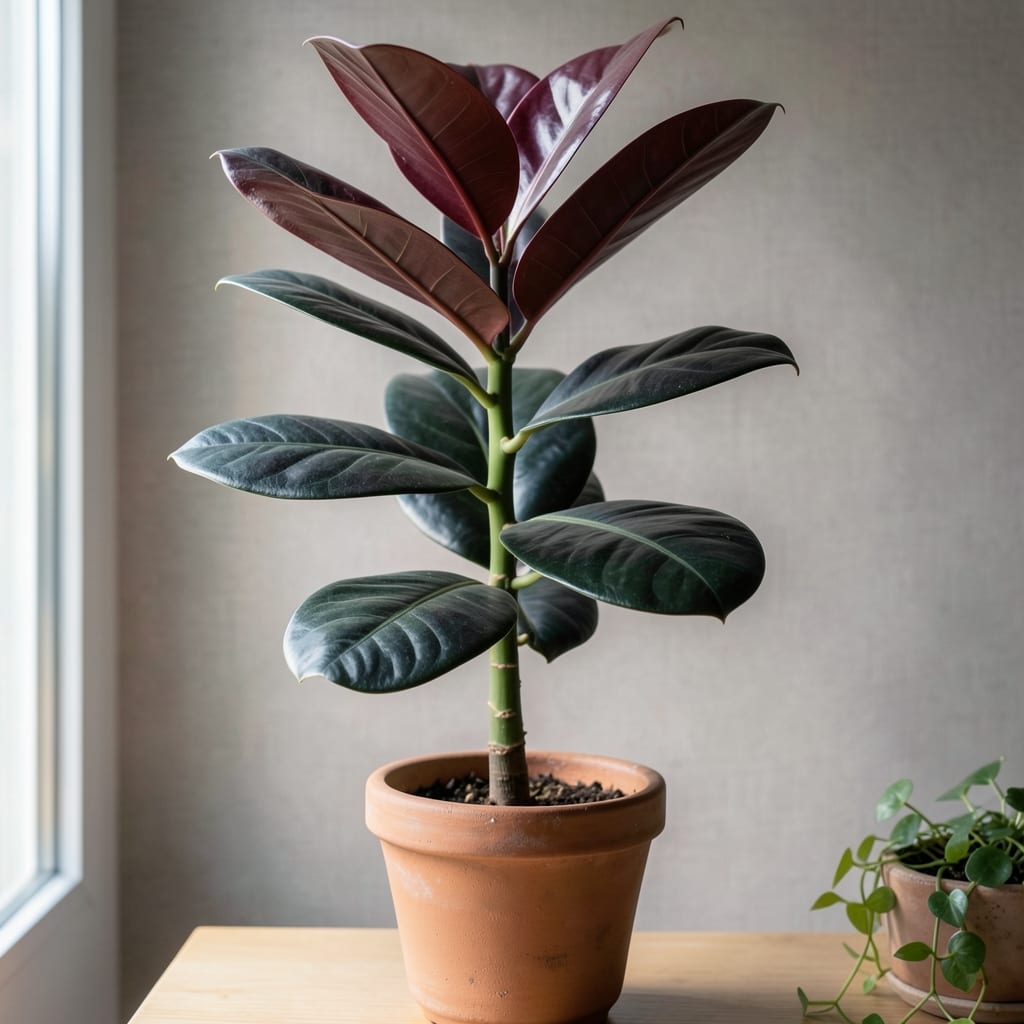
If your rubber plant 🌿 looks like it’s fighting for its life—droopy leaves, sparse growth, or worse—you might be getting the light all wrong. The truth? **Rubber plants thrive in bright, indirect light for about 4-6 hours daily, but too much direct sun can fry those glossy leaves faster than you’d think.
I’ve seen this struggle firsthand: a plant that’s supposed to be low-maintenance suddenly wilting because of a misplaced windowsill or a bright afternoon glare. The key isn’t just how much light but what kind—and most beginners miss this critical detail. Let me break down the exact light conditions your rubber plant needs to grow bold, healthy, and unbelievably lush.
Whether you’re dealing with a dim corner or a sun-drenched kitchen, you’ll learn how to spot the signs of over- or under-lighting and adjust placement without risking shock. No more guessing games—just science-backed tips to keep your rubber plant thriving year-round.
Ready to transform your plant’s future? Let’s dive into the ideal lighting formula that’ll have your rubber plant reaching for the sky in no time.

Optimal light requirements for rubber plants: hours and intensity breakdown
Your rubber plant’s light needs might surprise you—it’s not the sun-worshipping diva you’d expect. While it loves bright indirect light, it’s surprisingly adaptable to low-light conditions (though growth will slow). The magic number? Aim for 4-6 hours of filtered light daily. Think of it like a morning coffee: too little leaves it sluggish, but too much scorches it.
The key is intensity over duration. A north-facing window provides gentle, consistent light, while a south-facing window can deliver harsh midday rays that burn leaves. Even east or west windows work—just ensure the plant isn’t baking in direct sun for more than 2-3 hours daily. I’ve seen rubber plants thrive in offices with fluorescent lighting, proving they’re far more flexible than their reputation suggests.
Seasonal shifts matter too. In winter’s shorter days, supplement with a grow light 12 inches away for 6-8 hours to mimic natural sunlight. Skip this, and you’ll notice stretched, leggy growth as the plant reaches for light. Conversely, in summer’s long days, watch for leaf scorch—a sure sign of too much direct sun.
Pro tip: Use the shadow test to gauge light. Place a small object near your plant and mark its shadow every hour. If the shadow shrinks dramatically (like a 50% reduction), the light is too intense. Ideal shadows should stay consistent in size, indicating balanced indirect light.
🌿 Rubber Plant Light Requirements Summary
| Light Type | Ideal Hours/Day | Best Window | Growth Impact |
|---|---|---|---|
| Bright Indirect | 4-6 hours | North or East | Healthy, glossy leaves |
| Low Light | 2-4 hours | Office, bathroom | Slow growth, pale leaves |
| Direct Sun | <2 hours | South-facing | Burned leaf edges |
| Grow Light | 6-8 hours | Any location | Balanced growth year-round |
*Adjust based on leaf color and growth rate—your plant will tell you what it needs!
Don’t underestimate artificial light either. A simple LED grow bulb (6000K color temperature) placed 12-18 inches away can replicate natural light perfectly. I’ve used these in my dark basement office to keep my rubber plant thriving—no windows required! Just remember: 12 hours of light mimics a full day, so time your grow light accordingly.
Watch for seasonal light shifts. In spring and fall, when sunlight is softer, your rubber plant may need 1-2 extra hours of light compared to winter. Rotate the pot quarter-turn weekly to ensure even growth—uneven light causes lopsided plants, and trust me, no one wants a cockeyed rubber plant!
Finally, leaf color is your best indicator. Deep green leaves with a slightly waxy sheen mean you’ve nailed the light balance. If leaves turn yellow or brown, it’s time to adjust. The goal? Consistent, indirect light that keeps your rubber plant happy without the drama of sunburn or stunted growth.
Now that you’ve got the light down, your rubber plant is one step closer to becoming the showstopper of your space. Next, we’ll tackle those pesky signs of light stress—because even the best-placed plants can send signals when something’s off. 🌿
Signs your rubber plant has too much or too little light (and how to fix it)
Your rubber plant 🌿 speaks volumes through its leaves—once you know what to watch for. Yellowing leaves on the lower stems? Classic sign of too much light (or overwatering). But here’s the twist: brown, crispy edges mean direct sunburn, while pale, dull leaves scream for more light. I’ve seen rubber plants go from vibrant to sad in weeks when light conditions shift, so stay alert!
Start with the top leaves: if they’re dark green and glossy, you’re nailing the light balance. But if they’re bleached or white, your plant is sun-stressed. Pro tip: Rotate your plant weekly—this prevents uneven light exposure and keeps growth balanced. I swear by this trick after my last rubber plant grew lopsided from a south-facing window!
Slow growth is another red flag—often tied to low light. Your plant might survive in dim corners, but it’ll stretch toward light like a sleepy cat reaching for sunlight. Leggy stems with tiny leaves? Time to move it closer to a bright, indirect light source. Even a simple fluorescent desk lamp can work wonders in winter months.
⚠️ Light Stress Fixes: Quick Guide
- 🔥 Brown, crispy leaf edges
- ⚡ Bleached or white patches
- 🌡️ Leaf scorch (dry, papery texture)
- 🟢 Pale, yellowing leaves
- 🌱 Leggy stems, sparse growth
- 🌿 Small, weak new leaves
Adjusting light too quickly can shock your plant. If moving from low to bright light, do it gradually—over 1-2 weeks. I learned this the hard way when my rubber plant dropped leaves after a sudden move to a sunny porch! Start with 2 hours of new light per day, then increase. For low-light plants, the transition back to brighter conditions should be just as slow.
Don’t ignore leaf drop—this is your rubber plant’s last-resort signal. While it can handle some stress, sudden temperature swings (like drafty windows) combined with light changes create the perfect storm. Keep your plant 3-5 feet from windows in winter to avoid cold drafts, and avoid heating vents that dry out leaves faster than you’d think.
One final trick: Check the undersides of leaves. Healthy rubber plants have smooth, dark green undersides. If they’re dull or yellow, it’s another sign of light imbalance. Pair this with your shadow test (from Section 1), and you’ll have a foolproof system to keep your plant thriving—no guesswork required! 🌱