
Plants
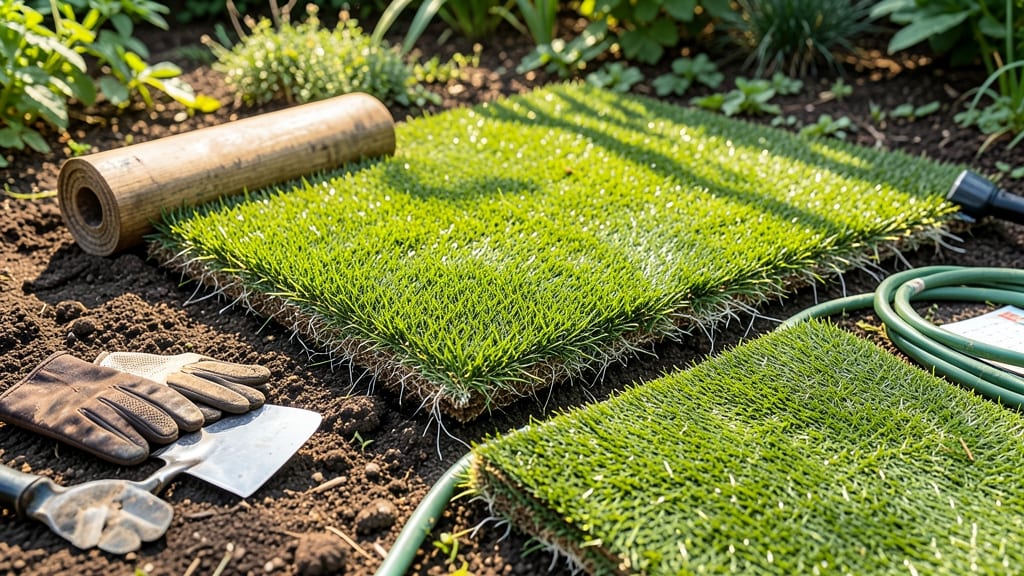
Planting your 🌱 fescue sod in Oklahoma at the wrong time could mean the difference between a vibrant lawn and months of frustration. With USDA zones 6b-8a and Oklahoma's unpredictable weather, timing isn't just important—it's everything.
Most gardeners know spring and fall are ideal, but here's the catch: early fall (August-September) gives your grass the perfect head start before winter, while late spring (March-April) works for those who prefer planting after the last frost.
The key is getting it right before soil temperatures dip below 60°F or climb above 75°F.
I've seen firsthand how Oklahoma's microclimates can shift planting windows by weeks—whether you're in the cooler northern regions or the warmer southern areas. Let me show you exactly when to plant for your specific zone and how to prepare your soil for maximum root establishment in just 2-4 weeks.
Ready to transform your lawn? We'll cover everything from soil prep to avoiding common mistakes that Oklahoma gardeners make year after year. Your perfect green lawn starts with the right timing—and I've got you covered.
Best planting months for fescue sod in Oklahoma’s hardiness zones 6b-7b
Oklahoma’s diverse hardiness zones—ranging from 6b in the north to 7b in the south—mean fescue sod thrives best during two key windows: early fall and late spring.
These periods offer the perfect balance of soil warmth and moderate temperatures, giving your grass the best chance to establish deep roots before extreme Oklahoma weather hits.
In northern Oklahoma (Zone 6b), where winters are colder and summers hotter, the ideal planting window is slightly narrower. You’ll want to focus on late August through early September for fall planting, or mid-April through early May for spring.
This timing avoids the scorching summer heat and early winter frosts that can stress young sod.
For central and southern Oklahoma (Zones 7a-7b), you’ve got a little more flexibility. Here, early August through mid-September and early April through late May work well.
The slightly warmer soil in these zones allows for a broader window, but avoid planting in July or June—the heat can cause dormancy stress or even kill newly laid sod.
Here’s the critical rule: Soil temperature should be between 60°F and 75°F at a depth of 4 inches. Use a soil thermometer to check—this is your green light to plant.
If temperatures creep above 80°F, your sod will struggle to root, leaving it vulnerable to drought and heat stress.
| Zone & Region | Best Planting Window | Soil Temp Range | Key Considerations |
|---|---|---|---|
| 6b (Northern OK: Tulsa, OKC) | Late Aug - Early Sep Mid-Apr - Early May |
60°F - 70°F | Avoid summer heat; early frost risk in Sep |
| 7a (Central OK: Lawton, Stillwater) | Early Aug - Mid-Sep Early Apr - Late May |
60°F - 75°F | Broader window; monitor late May heat |
| 7b (Southern OK: OKC outskirts, Ardmore) | Late July - Early Sep Early Apr - Early June |
65°F - 75°F | Longer spring window; avoid July heat |
Microclimates play a huge role in Oklahoma. If you’re in a shaded or low-lying area, your soil may stay cooler longer, extending your spring planting window by a few weeks. Conversely, south-facing slopes or urban heat islands can push soil temperatures up faster, shrinking your ideal window.
Always check local weather forecasts for 10-day soil temp predictions before committing to a planting date.
One common mistake is assuming late fall planting (October or November) works. While it might seem like a good idea to get sod down before winter, the cool soil temperatures slow root growth, and early frosts can damage young grass.
Stick to the early fall window—your sod will thank you with a stronger spring comeback.
For overseeding existing lawns, the timing shifts slightly. Aim for late summer (July-August) to allow new seeds to germinate before cooler weather sets in. But for full sod installation, early fall remains the gold standard in Oklahoma’s climate.
Pro tip: If you miss the ideal windows, don’t panic. Late spring planting (June) can work if you’re in Zone 7b and commit to daily deep watering to combat heat stress. Just be prepared for slower establishment and potential summer dormancy.
Remember, the goal is root establishment, not just green grass. A well-timed planting in Oklahoma’s zones gives your fescue sod the 3-4 weeks it needs to develop a deep, drought-resistant root system before Oklahoma’s next extreme weather event hits.
Best planting months for fescue sod in Oklahoma’s hardiness zones 6b-7b
Oklahoma’s hardiness zones 6b-7b create two ideal windows for planting fescue sod: early fall and late spring. These periods offer cooler soil temperatures and consistent moisture—perfect for root establishment.
In Zone 6b, aim for early September to mid-October, while Zone 7b gardeners should plant between mid-August and early October.
Spring planting works too, but rush it, and your sod may struggle with Oklahoma’s summer heat stress. Target March 15 to April 15 when soil temps hit 60°F+. Avoid planting after May 1—the heat will slow root growth and invite weeds.
Northern Oklahoma’s cooler microclimates (like Altus) can extend spring planting slightly, but southern areas (like Oklahoma City) demand earlier fall timing.
🌱 Fescue Sod Planting Timeline for Oklahoma
| Zone | Ideal Planting Window | Soil Temp Threshold | Key Consideration |
|---|---|---|---|
| 6b (North OK) | Early Sept–Mid-Oct | 60–75°F | Avoid late fall frost risk |
| 7a (Central OK) | Mid-Aug–Early Oct | 65–72°F | Heat stress after Sept 15 |
| 7b (South OK) | Late Aug–Early Sept | 68–70°F | Summer drought risk |
| Spring Window (All Zones) | March 15–April 15 | 60°F+ | Irrigation critical post-planting |
I’ve planted fescue in both seasons, and early fall wins for Oklahoma’s climate. The sod roots deeply before winter, while spring planting requires daily watering to combat April heat spikes.
Pro tip: Use a soil thermometer—plant when temps stay 60–75°F for 5+ days. This ensures roots establish before Oklahoma’s summer drought or winter freeze sets in.
Microclimates matter too. Hilltops in Zone 6b (like Chickasha) may need 2 weeks earlier than valley areas. Check your last frost date (typically March 15) and count back 6–8 weeks for fall planting.
For spring, add 4–6 weeks after frost. Oklahoma’s erratic spring rains can delay planting—always prioritize soil temp over calendar dates.
If you’re torn between seasons, early fall is my top recommendation. The sod has 6–8 weeks of warm weather to root before winter, and fewer weeds compete with it.
Plus, fall-planted fescue often greens up faster in spring. Just avoid planting after October 15—new roots won’t survive Oklahoma’s first frost (usually November 15).
For late spring plantings, focus on March–April and commit to daily watering for the first 2–3 weeks. Without consistent moisture, fescue sod will brown at the edges and struggle to recover.
I’ve seen this firsthand in Oklahoma City—skipping watering in April heat turns a $1,000 sod job into a $50 reseeding project. ☀️