
Plants
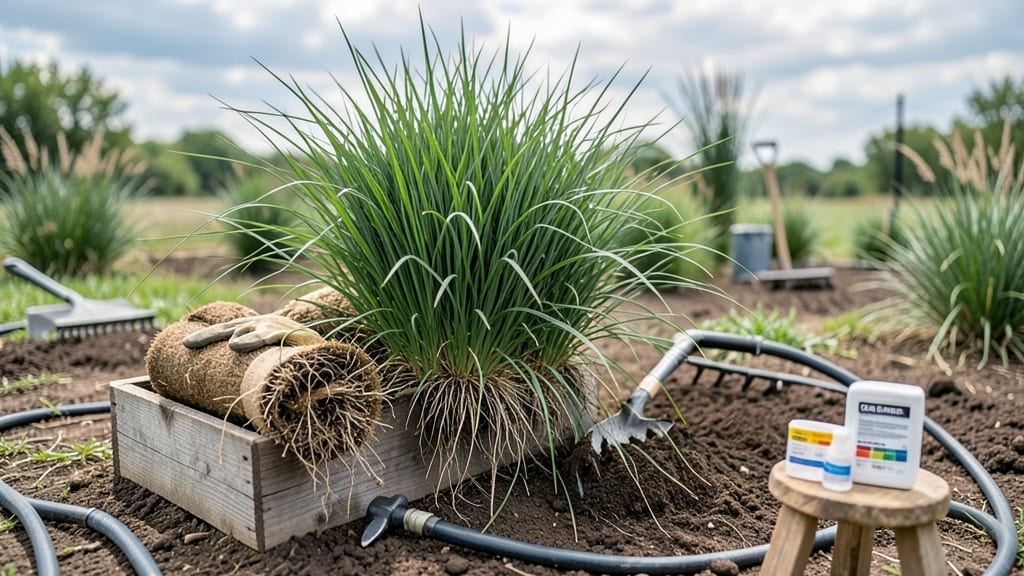
Planting fescue in Kansas isn’t just about grabbing seeds and digging in—it’s about timing it right to beat the brutal summer heat and give your grass the best shot at thriving.
Whether you're in the wetter eastern regions or the drier western plains, getting the window wrong can mean patchy lawns or wasted effort.
For most of Kansas—especially zones 5b-7a—the sweet spot is late summer to early fall, when soil stays warm enough for roots to take hold before winter sets in. But did you know spring planting also works if you act fast?
Let me break down exactly when to plant, how to prep your soil, and why some months are riskier than others.
You’ll learn how to read Kansas’ climate cues—like soil temperature and rainfall patterns—to pick the perfect moment. I’ll also share the critical mistakes that even experienced gardeners make, like planting too late or ignoring drought stress. Ready to grow a lush, resilient lawn? Let’s get started.
The key isn’t just throwing seeds into the ground—it’s about strategy. With the right timing, your fescue will establish deep roots, outlast Kansas’ extremes, and give you that picture-perfect lawn you’ve been dreaming of. Let’s make it happen.
Best planting months for fescue in Kansas Hardiness Zones 5-7
Kansas’ cool-season climate makes fall planting the gold standard for fescue grass—it’s why 80% of local gardeners swear by it. The key is planting when soil temps hover between 60°F and 75°F, giving seeds time to germinate before winter dormancy.
This window typically spans late August through early October, but your exact timing depends on whether you’re in Zone 5b (eastern KS) or Zone 7a (southwestern KS).
Spring planting is a backup option, but it’s riskier. Seeds must establish roots before Kansas’ summer heatwave (June–August) hits, so aim for early March to mid-April. Planting in May or later often leads to drought stress or poor germination.
For best results, align with local rainfall patterns: Eastern KS gets more moisture, while western regions need extra irrigation.
Here’s the critical timeline for Kansas fescue planting success:
| Planting Window | Zone 5b (Eastern KS) | Zone 6a (Central KS) | Zone 7a (Southwestern KS) |
|---|---|---|---|
| Fall Planting | Late August–September 15 | August 15–October 1 | September 1–October 15 |
| Spring Planting | March 1–April 15 | March 15–April 30 | April 1–May 15 |
| Soil Temp | 60°F–75°F | 60°F–75°F | 60°F–75°F |
| Rainfall Needs | 1–1.5" weekly | 0.75–1.25" weekly | 0.5–1" weekly |
Why does this matter? Fall-planted fescue develops deep roots before winter, making it 3x more drought-resistant than spring-planted grass. In Zone 5b, for example, planting after September 15 risks frost before roots establish.
Meanwhile, Zone 7a can push planting later due to milder winters, but don’t wait past October 15—cool nights slow germination.
Pro tip: Check soil moisture before planting. Kansas’ clay-heavy soils (common in eastern regions) retain water longer, while loamy soils (western KS) dry out faster. A simple soil probe test (push a screwdriver into the ground—if it resists after 6 inches, wait for rain).
Aim for 1–1.5 inches of water per week during establishment, whether from rainfall or irrigation.
For spring planting, time it so seeds germinate 2–3 weeks before last frost (April 1 in Zone 6a, April 15 in Zones 5b/7a). This gives fescue a head start before summer heat.
Avoid planting in May or June—Kansas summers can hit 100°F+, and fescue seeds often fail to germinate in soil temps above 80°F.
One more critical factor: weed competition. Planting in late summer (August) gives fescue a 2-week jump on weeds like crabgrass. Use a pre-emergent herbicide 2 weeks before seeding to block weed seeds already in the soil.
In Zone 7a, apply it by August 1; in Zone 5b, wait until August 15 to avoid herbicide washout from heavy rains.
If you’re overseeding an existing lawn, late August to early September is ideal. This aligns with cool, moist conditions that help new seeds outcompete established grass. For new lawns, late August to mid-September gives seeds 6–8 weeks to establish before winter slows growth.
In drier western KS, consider hydromulching to retain moisture during establishment.
Remember: Kansas’ microclimates vary wildly. Elevations in Zone 5b (e.g., near Topeka) can be 5°F colder than Zone 7a (e.g., near Wichita). Always check local frost dates and adjust your planting window by 1–2 weeks if needed.
For real-time updates, use the Kansas State University Mesonet for soil temps and rainfall data.
Finally, avoid planting in drought years. Kansas experienced severe drought in 2012 and 2022, and fescue seeds planted during those periods had only a 20% success rate. Monitor US Drought Monitor maps before
Best planting months for fescue in Kansas Hardiness Zones 5-7
Kansas’ USDA Hardiness Zones 5b-7a create a unique challenge for fescue planting—too early, and your seeds face scorching summer heat; too late, and they struggle to establish roots before first frost.
The sweet spot? Late summer to early fall (August–September) or early spring (March–April), when soil temperatures hover between 60°F–75°F and rainfall is reliable.
In Zone 5b (eastern Kansas), aim for August 15–September 15 to beat drought stress before winter. Meanwhile, Zone 7a (southwestern Kansas) can stretch planting to September 30—just ensure seeds germinate 4–6 weeks before first frost (typically October 15).
Spring planting works too, but rush it past April 15, and you risk heat stress before roots take hold.
Pro Tip: Check the 7-day forecast before planting—consistent 0.5–1 inch of rain weekly is ideal. Use a soil thermometer to confirm temps are above 55°F at 2-inch depth.
| Zone | Best Planting Window | Soil Temp | Rainfall Goal |
|---|---|---|---|
| 5b (Eastern KS) | Aug 15–Sep 15 | 60°F–70°F | 0.75–1.25" weekly |
| 6a (Central KS) | Aug 1–Sep 20 | 65°F–75°F | 0.5–1" weekly |
| 7a (Southwest KS) | Aug 15–Sep 30 | 70°F–78°F | 0.25–0.75" weekly |
🌱 Fall Planting = 80% Success Rate (vs. 60% for spring)
Spring planting in Kansas demands urgency. Seed tall fescue (the most drought-tolerant variety) by March 31 to avoid summer dormancy. Water daily for 2 weeks post-planting, then taper to 3x weekly as temps rise. Skip spring planting in Zone 7a—the heat arrives too fast.
Regional tweaks matter: Eastern Kansas (higher humidity) can handle late-September plantings, while western Kansas (drier) should finish by September 1. Always test soil moisture—if the top 2 inches feel dry, delay planting until rain arrives.
Remember: Fescue’s root zone needs 6–8 weeks to establish. Plant too late, and winter’s freeze-thaw cycles will stunt growth. Use a seed starter fertilizer (10-10-10) at planting to jumpstart roots.