
How To
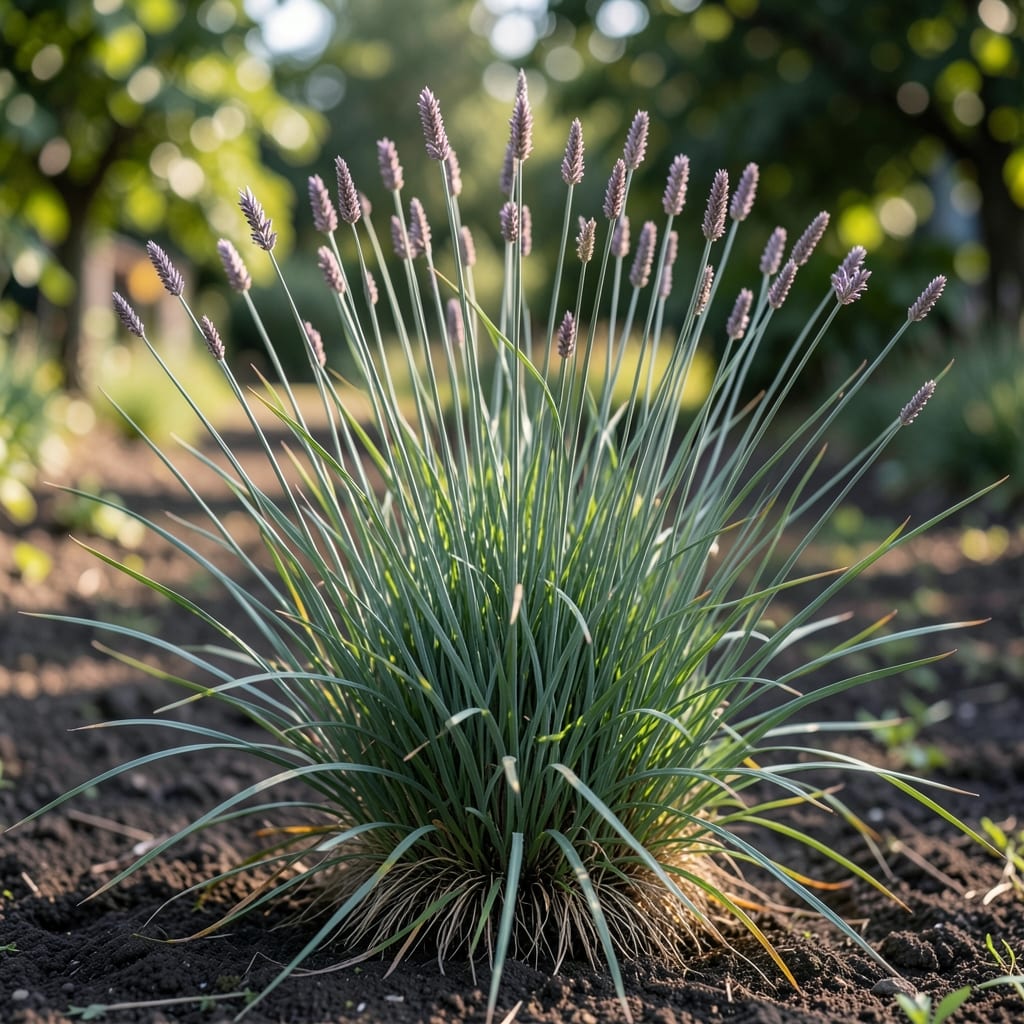
If you're wondering how fast does tall fescue grow, the answer might surprise you—especially when conditions are just right. This hardy grass can shoot up 3-4 inches per week under ideal circumstances, turning a patchy lawn into a lush carpet faster than you’d expect.
But here’s the catch: real-world growth depends on more than just time. Factors like sunlight, soil quality, and watering habits play a huge role in whether your 🌾 reaches its full potential. Let’s break down what makes tall fescue thrive—or slow down—so you can set your yard up for success.
Whether you’re seeding a new lawn or just curious about your existing grass, knowing these growth secrets will help you plan ahead. From the best time to plant to how to keep it growing strong, I’ll share the most important tips to get the fastest, healthiest results.
Ready to transform your outdoor space? Let’s dive into the science—and the shortcuts—so you can enjoy that vibrant green lawn sooner than you think.


Tall fescue growth rate: ideal conditions vs. real-world results
When it comes to how fast does tall fescue grow, the numbers can be exciting: under perfect conditions, this grass can grow 3-4 inches per week. That means in just 4-6 weeks, you could see a full lawn emerge from bare soil, assuming everything aligns perfectly.
But here’s the reality: most home gardeners don’t live in a controlled lab. In real-world scenarios, growth slows down due to climate variations, soil quality, and maintenance habits. For example, in cooler climates or during droughts, growth might drop to 1-2 inches per week—still impressive, but not as rapid.
Let’s compare what you can expect in different scenarios so you can set realistic expectations for your lawn’s transformation.
| Scenario | Growth Rate | Time to Full Coverage | Key Factors |
|---|---|---|---|
| Ideal Conditions | 3-4 inches/week | 4-6 weeks | Full sun, warm temps (70-85°F), rich soil, consistent water |
| Moderate Climate | 1.5-2.5 inches/week | 6-8 weeks | 5-7 hours sun, mild temps (60-75°F), average soil |
| Cool/Dry Conditions | 0.5-1.5 inches/week | 8-12 weeks | <4 hours sun, temps <60°F, poor soil, drought |
| Professional Lawn Care | 2.5-3.5 inches/week | 5-7 weeks | Soil testing, fertilization, irrigation systems, pest control |
If you’re aiming for that ideal growth rate, focus on full sun exposure and consistent moisture. Tall fescue thrives with 6-8 hours of sunlight daily and 1 inch of water per week, especially during establishment. Skimp on either, and you’ll see growth slow dramatically.
Another critical factor is seasonal timing. Planting in late summer to early fall (August-September) gives your grass a head start before winter dormancy. Spring planting is possible, but growth may stall if temperatures drop suddenly.
For example, in USDA Zone 6a (where tall fescue excels), expect the fastest growth between June and August. Outside these months, cooler temps and shorter days naturally slow things down. Understanding this rhythm helps you plan when to seed and when to expect visible progress.
One common mistake is assuming tall fescue will grow like a weed once planted. While it’s drought-tolerant once established, young seedlings need regular watering to avoid stress. A deep watering 2-3 times per week during the first month keeps roots growing downward, not just spreading outward.
Think about your lawn’s current state. If you’re overseeding an existing yard, growth may appear slower because the new grass competes with established plants. In this case, thinning the old grass first can speed up the process by reducing competition.
Finally, don’t overlook the power of soil preparation. Amending your soil with compost before seeding ensures nutrients are available when roots need them most. A simple soil test can reveal if your yard lacks nitrogen, phosphorus, or potassium—three key nutrients for rapid growth.
Tall fescue growth rate: ideal conditions vs. real-world results
Under ideal conditions, tall fescue can grow an impressive 3-4 inches per week during its peak season. This means a new lawn could reach full coverage in just 4-6 weeks if everything aligns perfectly—sunlight, water, and soil. But don’t get too excited just yet; those perfect conditions are rare in most yards.
The reality is that tall fescue’s growth rate slows significantly when faced with cool temperatures, shady spots, or poor soil quality. In less-than-ideal climates, like the Pacific Northwest or northern states, growth might only average 1-2 inches per week during the warmest months. Even in these areas, though, tall fescue remains one of the fastest-growing cool-season grasses.
Here’s the kicker: seasonal changes dramatically impact growth speed. During spring and fall, when temperatures hover around 60-75°F, tall fescue thrives. But in summer heat or winter dormancy, growth can nearly stall. Understanding these shifts helps you set realistic expectations for your lawn’s transformation.
| Condition | Growth Rate | Time to Full Coverage | Best For |
|---|---|---|---|
| Ideal Conditions (Full Sun, Warm Soil, Consistent Water) | 3-4 inches/week | 4-6 weeks | New lawns, southern climates |
| Moderate Conditions (Partial Sun, Cool Soil, Average Water) | 1-2 inches/week | 8-12 weeks | Northern states, transitional seasons |
| Stressful Conditions (Shade, Drought, Poor Soil) | 0.5-1 inch/week | 12+ weeks | Urban yards, clay soil areas |
Even in slower-growing scenarios, tall fescue’s deep root system gives it an edge over other grasses. While it might not reach 3-4 inches per week in every yard, its ability to spread and fill in gaps over time makes it a top choice for durable, low-maintenance lawns. For example, in USDA Zone 5, you might see faster growth in June and September than in January or July.
If you’re seeding in late summer—like I recommend for best results—expect the fastest growth during spring and fall. The key is to prepare your soil now so it’s ready for those growth spurts. Amending with compost and ensuring proper drainage can shave weeks off your timeline.
Don’t let the slower rates discourage you, though. With the right care, tall fescue will still outperform many other grasses in drought tolerance and weed resistance. The secret is patience and consistency—two things that pay off in a lawn you’ll be proud of year after year.