
Plants
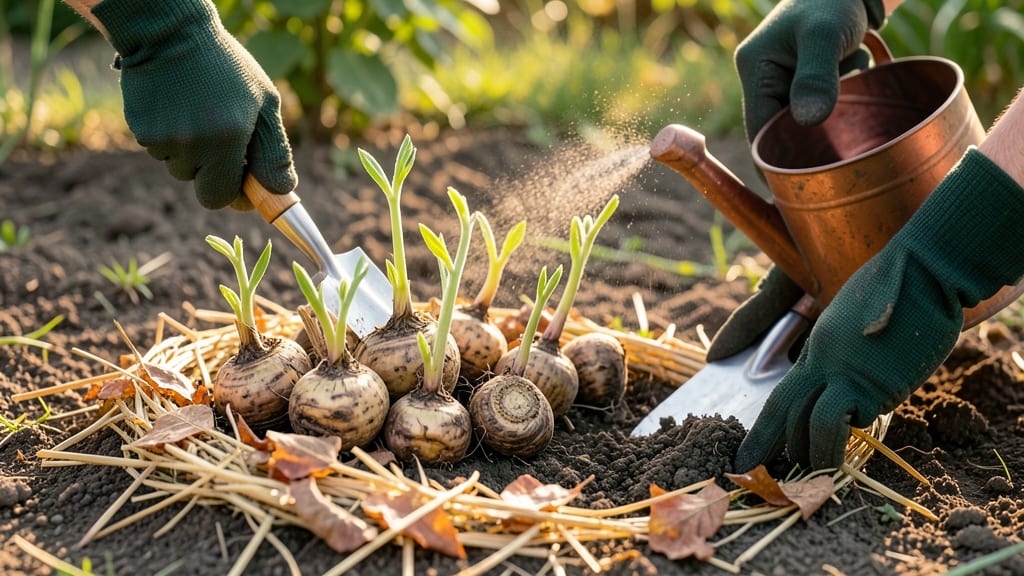
Illinois dahlias planting timeline: soil temperature triggers by Zone
Timing your dahlia tubers correctly in Illinois means waiting for soil temperatures to hit 60°F or warmer. This threshold signals safe planting for USDA Zones 5-6, where last-frost dates range from mid-April (southern IL) to early May (northern IL).
Planting too soon risks cold soil shock, stunting your blooms before summer even arrives.
Use a soil thermometer to confirm readiness—especially in northern Illinois, where cooler microclimates delay warming. Southern Illinois gardeners can push planting to late April, while northern zones should wait until mid-to-late May. This 2-week window makes all the difference for tuber survival.
| Zone | Last Frost Date | Soil Temp Threshold | Planting Window | Key Tip |
|---|---|---|---|---|
| 5a (Northern IL) | May 1-15 | 60°F+ | Mid-to-late May | Use black plastic mulch to warm soil faster |
| 5b (Central IL) | April 20-May 5 | 60°F+ | Late April-early May | Start tubers indoors 4-6 weeks before last frost |
| 6a (Southern IL) | April 1-15 | 55°F+ | Late April | Direct-sow tubers after soil warms |
For container gardening, extend your window by planting tubers in heated grow bags or raised beds—these warm up 5-7 days faster than in-ground soil. Monitor your local Almanac frost dates and adjust: Chicago’s last frost often arrives 2 weeks later than St. Louis, so don’t rush!
Pro tip: Chitting tubers (pre-sprouting indoors) gives you a 2-week head start. Place tubers in a bright, cool spot (60-65°F) with the eyes facing up—sprouts should appear in 3-4 weeks. This method is especially useful for northern Illinois gardeners with shorter seasons.
After planting, mulch heavily with straw or shredded leaves to maintain consistent soil warmth. Dahlias in southern Illinois may need afternoon shade in July to prevent heat stress—watch for wilting leaves as a warning sign. A lightweight shade cloth (30-50%) can save your blooms during heatwaves.
Remember: Dahlias are tender perennials—they die back with first frost (typically mid-October in IL). To extend your blooming season, cut back foliage after frost and lift tubers before ground freezes. Store them in cool, dry conditions (40-50°F) until next spring’s planting window.
For cut flower gardens, aim to have dahlias established by early June—this ensures peak blooming from July through September, just in time for fall weddings and holiday arrangements. The earlier you plant, the longer your harvest!
If you’re new to dahlias, start with smaller varieties like ‘Thomas Edison’ (2-3 ft tall) or ‘Café au Lait’—they’re hardier in Illinois’ climate and forgive minor timing mistakes. Larger varieties need staking and more precise planting to thrive.
Track your local microclimate: Urban areas like Chicago often stay cooler than rural spots, while southern Illinois’ river valleys warm up faster. Use these soil temperature triggers as your guide—and soon, your garden will burst with dahlia color from summer to frost! 🌸
Illinois dahlias planting timeline: soil temperature triggers by Zone
Timing your dahlia planting in Illinois isn’t just about avoiding frost—it’s about waiting for the soil to warm to 60°F or higher. Cold soil shocks tubers, stunting growth and inviting rot.
Most of Illinois falls in USDA Zones 5-6, but northern areas (like Chicago) need extra patience compared to southern regions (like St. Louis).
Use a soil thermometer to confirm readiness—don’t rely on air temperature alone. Last frost dates vary: April 15 in southern Illinois, but May 1 in northern areas. Planting too early means wilted tubers and wasted effort.
| Zone & Region | Last Frost Date | Ideal Planting Window | Soil Temp Threshold |
|---|---|---|---|
| Northern IL (Zone 5) | May 1 | Mid-May to early June | 60°F+ (consistently) |
| Central IL (Zone 5-6) | April 20 | Late April to mid-May | 60°F+ (consistently) |
| Southern IL (Zone 6) | April 15 | Early April to late May | 55°F+ (minimum) |
For northern Illinois, consider starting tubers indoors in late March under grow lights. Transplant outdoors only after three consecutive days above 50°F. In southern Illinois, you can direct-sow tubers as early as late March if soil warms quickly.
Pro tip: Mulch heavily after planting to retain heat and moisture. Use straw or black plastic mulch—both keep soil temps stable. Avoid grass clippings, which mat down and trap cold.
Extend your blooming season by planting late varieties in early June. This works especially well in Zone 5, where summers are shorter. Just ensure tubers are chitted (sprouted) before planting.
Monitor local microclimates: South-facing slopes warm faster than north-facing beds. If your yard has shade from trees, opt for dwarf varieties like ‘Thomas Edison’ that tolerate partial shade better.