
Plants
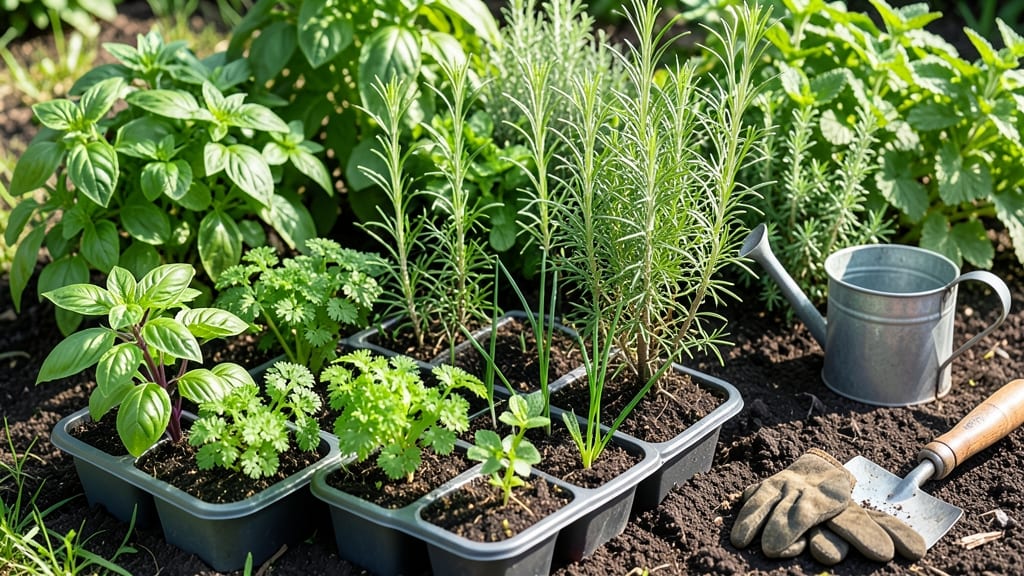
NJ frost dates and best planting windows by herb type
New Jersey’s USDA Zones 6a-7b mean your last frost date typically falls between mid-April and early May, while the first frost arrives around mid-October. These dates create two prime planting windows: spring (March-April) and fall (September-October).
But timing varies—coastal areas like Cape May are milder, while inland zones like Sussex County may face frost later.
Herbs fall into two categories: cool-season (thrive in 50-65°F) and warm-season (need 70°F+). Planting at the wrong time means stunted growth or bolted leaves. For example, parsley and cilantro bolt in heat, while basil wilts in cold. Let’s break down the best strategies for each.
| Herb Type | Cool-Season Planting Window | Warm-Season Planting Window | Direct Sow vs. Transplant | Notes |
|---|---|---|---|---|
| Cilantro | Early spring (March) or fall (Sept-Oct) | N/A (bolts in heat) | Direct sow | Thin seedlings to 6" apart |
| Parsley | March-April or Sept-Oct | N/A | Direct sow or transplant | Biennial; overwinters in mild zones |
| Basil | N/A (frost-sensitive) | After last frost (May-June) | Transplant seedlings | Use row covers for early starts |
| Thyme | March-April or Sept-Oct | May-June (perennial) | Transplant or divide | Drought-tolerant; thrives in poor soil |
| Chives | Early spring or fall | May-June | Direct sow or transplant | Hardy to 20°F; regrows yearly |
For cool-season herbs, start seeds indoors 4-6 weeks before your last frost date. For example, if your frost date is April 15, sow cilantro or dill indoors by March 1.
Transplant seedlings outdoors once soil reaches 45°F—use a soil thermometer to check. Coastal NJ gardeners can plant 2 weeks earlier than inland areas.
Warm-season herbs like basil and oregano demand patience. Wait until after May 15 (or when night temps stay above 50°F) to transplant. Use black plastic mulch to warm soil faster. If you’re eager, start seeds indoors in April and transplant after frost risk passes.
Succession planting is key for a continuous harvest. For basil, sow new seeds every 2-3 weeks from June to August. For parsley, direct-sow every 3 weeks in spring and again in early fall. This ensures you always have fresh herbs—no gaps!
Don’t overlook fall planting. Herbs like chives and thyme thrive when planted 6-8 weeks before first frost (aim for September 1 in most of NJ). These perennials will return next year, while annuals like dill give you a late-season harvest before winter sets in.
Pro tip: Use row covers or cold frames to extend your spring planting window by 2-3 weeks. This protects tender seedlings from late frosts (common in NJ’s Zone 6a areas). Just remove covers when temps rise above 70°F to prevent overheating.
Remember, soil temperature matters more than air temperature. Use a soil thermometer—herb seeds need soil at 60°F+ for warm-season varieties and 45°F+ for cool-season types. If your soil is too cold, wait or use a heat mat for containers.
Microclimates play a huge role. Urban areas like Jersey City may have earlier last frosts (by April 1) due to the heat island effect, while rural Sussex County might see frost until May 10. Adjust your planting dates based on your specific location.
By mastering these NJ-specific timing tips, you’ll avoid the heartbreak of frost-killed basil or bolted cilantro. Next, we’ll explore how to extend your herb season with clever tricks—like cold frames and succession planting—to keep your kitchen stocked all year!
How to extend your herb growing season in new Jersey
New Jersey’s cool springs and early autumn frosts can limit your herb harvest, but with the right strategies, you can enjoy fresh basil, parsley, and cilantro for nearly year-round.
Whether you’re a backyard gardener or an urban container enthusiast, these techniques will help you beat the clock and avoid wasted plants.
One of the easiest ways to extend your growing season is by using row covers or cold frames, which can protect tender herbs from unexpected late frosts in April or early falls in October.
These low-cost solutions create a microclimate that traps heat and shields plants from 28°F or lower temperatures, allowing you to plant warm-season herbs like basil and oregano a few weeks earlier—or keep them growing a few weeks longer.
For urban gardeners with limited space, container gardening is a game-changer. Pots can be moved to sunny balconies or indoors near south-facing windows when temperatures dip. Just ensure your containers have drainage holes to prevent root rot, and use a lightweight potting mix that warms up quickly in the sun.
🌱 Top 5 Strategies to Extend Your Herb Season
- 🌡️ Use row covers to protect herbs from late spring frosts (down to 20°F for short periods).
- 🏡 Start seeds indoors 4-6 weeks before the last frost (mid-April) for early harvests.
- ☀️ Move containers indoors or to a greenhouse when nighttime temps drop below 40°F.
- 🌿 Plant frost-tolerant herbs like chives, thyme, and sage in early spring or late summer.
- 🔄 Succession plant every 2-3 weeks in spring and fall to ensure a continuous harvest.
💡 Pro Tip: Basil and cilantro are heat-sensitive—plant them after Memorial Day for best results.
Another smart tactic is succession planting, which means staggering your plantings every 2-3 weeks throughout the growing season. This ensures you always have fresh herbs ready to harvest, whether it’s parsley in early spring or dill in late summer.
For example, if you plant a batch of basil in early May, follow it up with another in early June to keep your supply steady.
If you’re in coastal NJ, where temperatures can be milder, you might even squeeze in a second planting of warm-season herbs in late July or early August.
However, inland areas with harsher winters should focus on fall planting (late August to early September) to give herbs time to establish before the first frost.
Don’t forget to harvest regularly—this encourages bushier growth and prevents herbs from bolting (flowering prematurely). Pinch back the tops of basil and cilantro to keep them productive, and always harvest in the morning when essential oils are at their peak.
With these strategies, you’ll enjoy a longer harvest season and fewer wasted plants!