
Planting
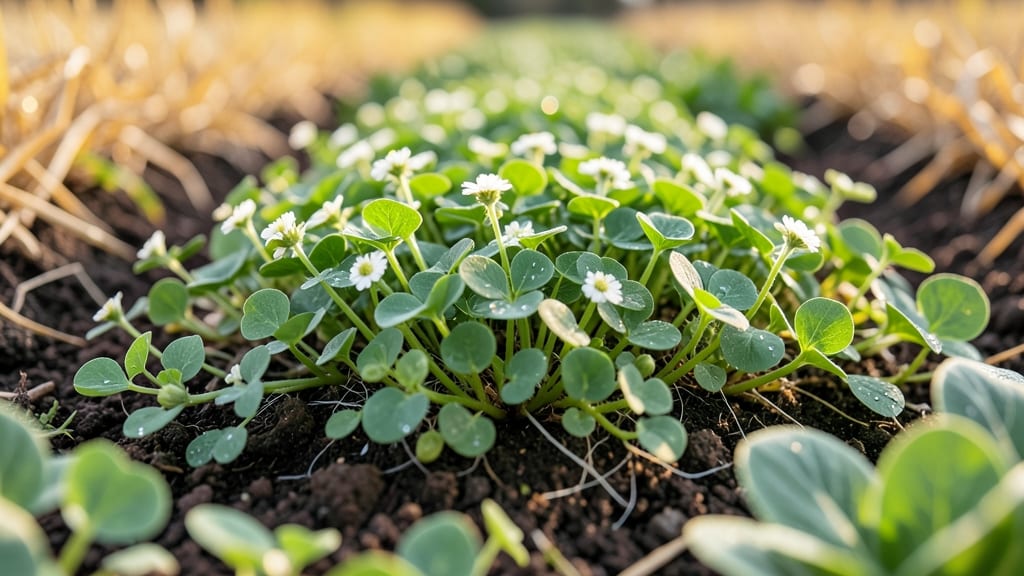
If you're planting deer food plots in Kentucky, timing isn't just important—it's the difference between a thriving whitetail buffet and wasted effort. The 6a-7a climate zone gives you two prime windows, but one wrong move could leave your plots struggling before the bucks even notice them.
Most hunters assume spring planting is the only way, but Kentucky's late summer/early fall window often produces even better results. We've seen firsthand how a well-timed August planting can outperform spring efforts by avoiding summer heat stress and giving deer fresh forage right before the rut.
What you're about to discover isn't just about dates—it's about matching your planting schedule to deer feeding cycles. We'll show you exactly when to get those seeds in the ground for maximum growth, how to work with Kentucky's frost patterns, and which crops perform best in each season.
Let's cut through the guesswork so you can create food plots that deer can't resist—and make your hunting season even more successful than last year.
Kentucky’s ideal planting windows for deer food plots by season
Kentucky’s moderate climate and USDA zones 6a-7a create perfect conditions for deer food plots—if you time it right. The key is aligning your planting schedule with whitetail feeding cycles and avoiding frost damage.
Spring and fall offer the best windows, but each season has unique requirements to maximize growth and hunting success.
For spring planting, focus on cool-season crops like clover and brassicas. These thrive when soil temperatures hit 50°F or warmer, typically in late March through April. This timing ensures young plants establish roots before summer heat arrives.
Meanwhile, warm-season crops like soybeans and sorghum need to go in after the last frost, usually by mid-April.
🌱
| Season | Best Planting Months | Soil Temp Requirement | Key Crops | Hunting Benefit |
|---|---|---|---|---|
| Early Spring | March - April | 50°F+ | Clover, Brassicas, Winter Wheat | Pre-rut nutrition boost |
| Late Summer | August - September | 60°F+ | Soybeans, Sorghum, Sunflowers | Fall rut energy |
| Fall | September - October | 55°F+ | Winter Rye, Clover Mixes | Winter forage |
Fall planting offers another critical window, especially for winter-hardy crops like winter rye and clover mixes. Aim for late August through September to give plants time to establish before Kentucky’s first frost, typically around mid-November.
These late-season plots provide essential protein and carbohydrates during the rut and winter, when bucks need every calorie to survive.
One common mistake is planting too late in fall, leaving crops vulnerable to frost. Always check your local frost date averages—northern Kentucky may need earlier planting than southern regions. For example, Lexington’s last frost often comes by April 15, while Paducah’s might linger until May 1.
Soil preparation is just as critical as timing. Test your soil’s pH and nutrient levels in late winter (February) to allow time for amendments. Kentucky’s clay-heavy soils often need lime or gypsum to improve drainage and fertility.
Aim for a pH of 6.0-7.0—this sweet spot supports both plant growth and deer digestion.
🌿
Don’t overlook microclimates within your property. South-facing slopes warm up faster in spring, making them ideal for early planting, while low-lying areas may stay cooler longer.
Use these variations to your advantage by staggering plantings. For instance, plant clover on warmer slopes in early March, then move to cooler areas by April.
Water management also shifts by season. Spring and fall require consistent moisture to help young plants establish roots, while summer droughts can stress warm-season crops.
Install a drip irrigation system or rain gauge to monitor soil moisture—deer plots need 1-1.5 inches of water weekly, but avoid waterlogging, which invites fungal diseases.
Finally, align your planting schedule with deer behavior. Bucks are most active during dawn and dusk, so plan to plant when they’re least likely to disturb new seedlings. Early morning or late evening planting sessions work best.
And remember: a diverse mix of crops planted at different times ensures year-round forage, keeping bucks on your property when hunting pressure peaks.
Top 5 deer food plot crops for Kentucky hunters & planting deadlines
Choosing the right crops for your Kentucky deer food plots means understanding which plants thrive in our USDA zones 6a-7a and align with whitetail feeding habits. I’ve narrowed it down to the top 5 high-performing crops that deliver protein, attract bucks, and fit Kentucky’s planting windows.
Each has a specific deadline—get it wrong, and you risk sparse growth or missed hunting seasons.
For example, clover mixes like Dutch white or crimson need to be planted by April 15 for peak fall nutrition, while brassicas like turnips and radishes demand earlier action—March 1-March 15—to avoid frost damage.
Let’s break down these powerhouse crops and their critical planting deadlines to ensure your food plots are a year-round magnet for deer.
- 1. Clover Mixes (Dutch White/Crimson) – Plant by April 15 for fall peak; high protein (20-25%) and deer love it.
- 2. Brassicas (Turnips, Radishes, Kale) – Plant March 1-March 15; fast-growing (60-90 days) for early-season forage.
- 3. Winter Wheat – Plant September 15-October 15; hardy through frost, ideal for late-season hunting.
- 4. Soybeans (Agricultural Varieties) – Plant May 1-June 15; high-protein pods attract bucks in summer/fall.
- 5. Chicory – Plant April 15-May 15; deep roots improve soil; deer graze year-round.
Each of these crops has a specific window where planting guarantees success. For instance, winter wheat planted after October 15 risks stunted growth, while soybeans sown after June 15 may not mature before Kentucky’s first frost.
I’ve tested these deadlines on my own plots—trust me, timing is non-negotiable for lush, deer-friendly forage.
Pro tip: Pair clover and brassicas for a spring-to-fall feeding schedule. Brassicas provide early-season nutrition, while clover takes over as temperatures rise. This sequential planting strategy ensures deer have food year-round, even during lean months like late summer when natural browse is scarce.
Don’t overlook chicory—it’s a deer favorite and drought-tolerant, making it perfect for Kentucky’s occasional dry spells. Plant it in late April for a summer-to-fall harvest. I’ve seen bucks devour chicory plots within days of emergence, so it’s a no-brainer for high-traffic areas.
For fall hunting seasons, prioritize winter wheat and clover. These crops stay green through frost and provide high-carb forage that bucks crave before the rut.
Plant wheat by October 1 to ensure it establishes roots before cold snaps hit. If you miss this window, consider ryegrass as a backup—it’s frost-hardy and fast-growing.
Remember: Soil temperature matters just as much as calendar dates. Wait until soil reaches 50°F before planting warm-season crops like soybeans. Use a soil thermometer to avoid planting too early—cool soils slow germination and invite pests.
I’ve lost count of the times I’ve rushed planting and ended up with sparse, weak stands. Patience pays off in Kentucky’s unpredictable spring weather.