
Plants
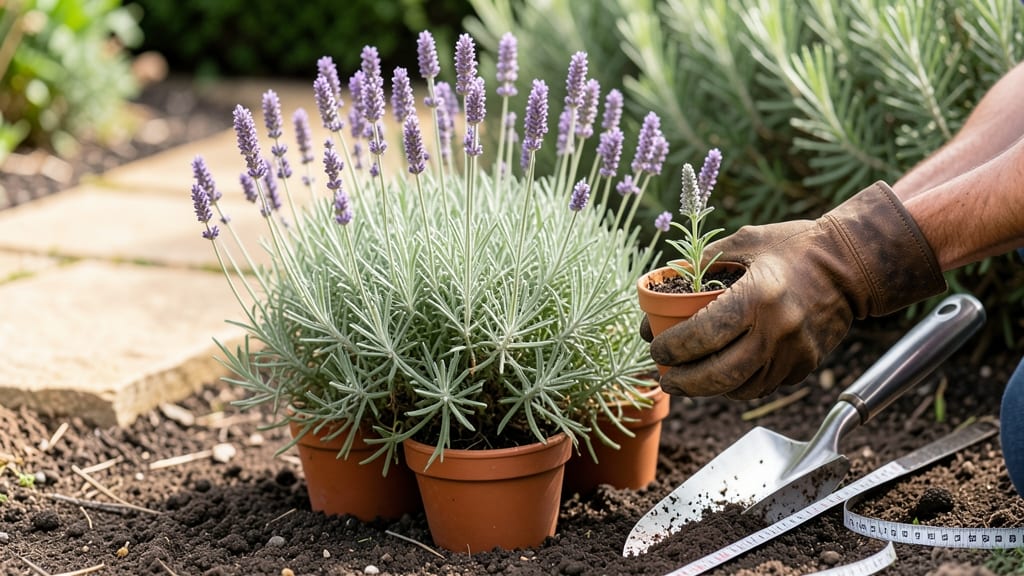
Timing your lavender planting in Massachusetts could mean the difference between fragrant blooms and a sad, frost-killed shrub. With our 5b-6b climate, you’ve got just a narrow window to get it right—plant too early, and late frosts will nip your 🌿 lavender in the bud.
Most gardeners in New England swear by early spring planting, but fall can also work if you play your cards right. The key is avoiding those sneaky late frosts that hit April like clockwork.
I’ll break down the exact months that work best for your zone, plus how to prep your soil so your lavender thrives from day one.
You’ll discover why well-draining soil is non-negotiable, how much sun your lavender really needs (spoiler: it’s a lot), and the 3 simple steps to protect young plants from winter’s worst.
Whether you’re a first-time gardener or a seasoned pro, these tips will help you grow lavender that’s hardy, fragrant, and ready to bloom year after year.
Let’s dive into the perfect planting schedule—so you can enjoy your 🌸 lavender garden without the guesswork. Ready to get started?
Massachusetts frost dates & best planting months for lavender
Massachusetts’ cool climate and late spring frosts demand precise timing when planting lavender. Most of the state falls under USDA Zones 5a-6b, where frost can linger until mid-April in colder regions like the Berkshires.
Lavender’s frost sensitivity means planting too early risks root damage or death, while waiting too long may stunt growth before summer’s heat arrives.
My go-to rule for Massachusetts gardeners: Plant lavender after the last frost date—typically late April to early May—but never after mid-June. This window ensures roots establish before summer’s drought stress kicks in.
Fall planting is also viable in Zone 6b, but only by early September to allow root hardening before winter.
Here’s the critical data you need: Massachusetts’ average last frost dates vary by 1-2 weeks across zones. For example, Boston (Zone 6b) sees frost-free soil by April 15th, while Springfield (Zone 5b) waits until May 1st.
These dates shift yearly, so always check the National Weather Service or local Cooperative Extension for updates.
Lavender thrives in well-draining soil and full sun (6+ hours daily), but Massachusetts’ heavy clay soils can spell disaster. Amending with sand or gravel and choosing south-facing slopes improves drainage. If your soil tests poorly, consider raised beds or containers—both work beautifully for lavender in MA.
Pro Tip: Start lavender from nursery-grown plants (not seeds) for faster establishment. Seedlings take 2+ years to bloom, while 1-year-old transplants often flower the same season. This is key for Massachusetts’ short growing season!
| Zone | Last Frost Date | Best Planting Window | Fall Planting Deadline | Key Risk |
|---|---|---|---|---|
| 5a (e.g., North Adams) | May 10 | May 15–June 15 | None (too cold) | Late frost damage |
| 5b (e.g., Springfield) | May 1 | May 10–June 20 | September 1 | Root rot in wet soils |
| 6a (e.g., Worcester) | April 20 | April 25–June 30 | September 15 | Summer drought stress |
| 6b (e.g., Boston) | April 15 | April 20–July 15 | October 1 | Overwatering |
Spring planting is my top recommendation for Massachusetts lavender. The 6-8 week window after last frost gives plants time to root deeply before summer’s heat and humidity arrive.
In Zone 6b, I’ve had success with fall planting (late August–early September) using cold-hardy varieties like ‘Munstead’ or ‘Hidcote’, but this requires extra mulch (3–4 inches of straw) to insulate roots.
If you’re new to lavender, avoid late spring plantings (after June 15). Young plants struggle to establish roots before winter dormancy, leading to poor survival rates. Instead, opt for container-grown lavender from local nurseries—these are hardened-off and adapt faster to MA’s variable climate.
One common mistake I see is planting lavender in shady spots to avoid summer heat. But lavender needs full sun—even partial shade reduces flowering and increases pest susceptibility. In Massachusetts, south-facing slopes
Zone-specific lavender planting calendar for MA gardeners
Massachusetts’ USDA zones 5a-6a create distinct planting windows for lavender. In zone 5a (western MA), aim for late April to early May after the last frost—typically around April 20-30.
Gardeners in zone 6a (southeastern MA) can plant as early as mid-April, while zone 5b (central MA) falls in between with early to mid-April timing. Fall planting is trickier but possible in September for established plants with 6+ weeks before frost.
Your local microclimate matters—coastal areas (like Cape Cod) enjoy milder springs, while inland zones (like the Berkshires) face colder snaps. Check the National Weather Service for your town’s last frost date each year, as it can vary by 1-2 weeks.
For example, Boston (6a) usually sees frost-free soil by April 15, while Springfield (5b) waits until May 1.
🌿
| Zone | Spring Planting Window | Fall Planting Window | Soil Prep Tip |
|---|---|---|---|
| 5a (Western MA) | Late April–Early May | Late August–Early Sept | Amend with gravel for drainage |
| 5b (Central MA) | Early–Mid April | Mid–Late Sept | Test pH 6.0–7.5; add lime if needed |
| 6a (Southeast MA) | Mid–Late April | Early–Mid Sept | Plant on mounds to prevent waterlogging |
For container gardening, you can plant lavender 2 weeks earlier than ground planting, as pots warm faster. If you’re using 1-gallon containers, ensure they have drainage holes and fill the bottom 25% with perlite or pumice.
Move containers indoors or to a garage if night temps drop below 30°F—lavender’s tender roots can’t handle prolonged cold.
Watering schedules shift with the seasons: deep-water every 7–10 days in summer, but reduce to bi-weekly in fall. Avoid overhead watering—drip irrigation or soaker hoses prevent fungal diseases like root rot, which thrives in Massachusetts’ humid summers.
Mulch with gravel or straw (never wood chips) to keep roots cool and soil dry.
Protect young lavender from late spring frosts (common in May) by covering plants with frost cloth or a lightweight row cover. Remove covers by 10 AM to allow sunlight.
In zone 5a, consider cold-hardy varieties like English lavender (‘Hidcote’) or French lavender (‘Grosso’), which tolerate -15°F once established.
🌸