
Plants
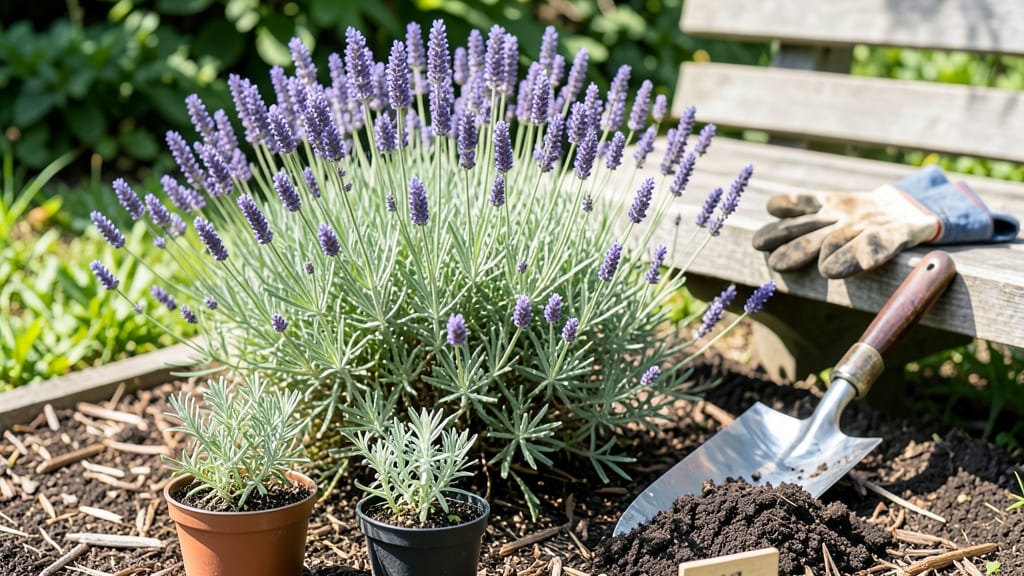
Planting lavender in Seattle can feel like a balancing act—too early and frost nibbles your young plants, too late and winter rains drown them before they take root. The perfect timing isn’t just about months, but understanding how Seattle’s Zone 8a climate plays tricks on traditional planting rules.
Most gardeners swear by spring planting, but in Seattle, fall can actually be the smarter choice—if you time it right. The key is getting lavender 🌿 established before the first frost (usually around November 15), while avoiding the soggy springs that can suffocate roots.
I’ll show you exactly which windows work best and why they matter for your fragrant, drought-resistant plants.
Whether you’re starting with bare-root starts or potted lavender, Seattle’s mild but unpredictable weather means you can’t just follow generic advice. We’ll cover how to adjust for your specific microclimate—whether you’re in the rainier west side or the slightly drier east—and which varieties handle Seattle’s damp springs like champions.
Ready to grow lavender that thrives year after year? Let’s break down the exact timing, soil prep, and care steps that’ll have your plants blooming beautifully by mid-summer—no guesswork required.
Best planting windows for lavender in Seattle’s Zone 8 climate
Seattle’s Zone 8a climate offers a narrow window for planting lavender—but timing matters more than you might think. The mild winters and wet springs create unique challenges, so choosing the right month ensures your lavender establishes roots before winter’s chill sets in.
In Seattle, the ideal planting months are March through April and September through October. These windows allow young lavender plants to root deeply before the first frost (typically around mid-November) or the heavy spring rains that can drown tender roots.
For bare-root lavender, early spring (March) is best—plant as soon as the soil is workable. If you opt for potted lavender, late summer to early fall (September) gives roots time to adjust before winter dormancy.
Seattle’s microclimates also play a role. Inland areas (like Redmond or Bellevue) have slightly warmer winters, while coastal zones (like West Seattle or Bainbridge Island) stay damp longer. Adjust planting 1-2 weeks later in coastal areas to avoid waterlogged soil.
🌱
| Planting Window | Soil Prep | Microclimate Notes | Root Establishment Time |
|---|---|---|---|
| Early Spring (March-April) | Amend with gravel/sand for drainage | Inland areas: Plant 2 weeks earlier | 6-8 weeks before first frost |
| Late Summer (September) | Test pH 6.0-7.5; add lime if needed | Coastal areas: Delay until October | 4-6 weeks before frost |
| Early Fall (October) | Mulch with gravel (not wood chips) | Avoid low-lying areas (cold air sinks) | 3-4 weeks before frost |
Spring planting (March-April) gives lavender 6-8 weeks to establish roots before Seattle’s cool, wet summers arrive. This is critical because lavender hates soggy soil—Seattle’s spring rains can suffocate young plants if drainage isn’t perfect.
Fall planting (September-October) is ideal for potted lavender because the mild autumn temperatures mirror Mediterranean climates where lavender naturally grows. Just ensure you plant at least 4 weeks before frost to avoid winter stress.
For bare-root lavender, soak roots for 1-2 hours before planting in spring. In fall, avoid planting after October 15th—young roots won’t harden off in time for winter. Use a south-facing slope to maximize sunlight and warmth.
🌿
Pro tip: If you miss the ideal windows, container gardening extends your options. Pots dry out faster and can be moved to sheltered spots in winter. Just ensure containers have drainage holes and use a gravel-based potting mix.
Seattle’s drought-resistant lavender thrives with full sun (6+ hours daily), so choose a spot with minimal shade from trees. Even in Zone 8, lavender benefits from winter protection—mound soil around the base or use burlap wraps for heavy frosts.
How to adjust planting timing for Seattle’s unique weather patterns
Seattle’s rainy springs and mild autumns demand flexibility when planting lavender. Unlike drier climates, timing must account for soil moisture and frost risks—even in Zone 8.
I’ve learned the hard way that planting too early in soggy soil can rot roots, while late starts may leave plants vulnerable to early winter chills.
For bare-root lavender, aim for late March to early April when soil temperatures rise above 50°F. This gives roots time to establish before summer heat arrives.
If using potted lavender, you can extend planting to early May—just ensure containers have drainage holes to prevent waterlogging from Seattle’s frequent showers.
Fall planting offers a second window: September to early October. This aligns with Seattle’s drier autumns and allows roots to settle before winter. Avoid planting after mid-October, as young plants may not harden off before frost.
⚠️ Critical Timing Alert
Never plant lavender when soil is waterlogged or temperatures dip below 45°F. Seattle’s coastal microclimates can vary drastically—check your specific zone (e.g., Magnolia vs. Ballard) for localized frost risks.
Pro Tip: Use mulch (2-3 inches) after planting to insulate roots and retain moisture during spring rains.
If you miss the ideal windows, container gardening is your best bet. Pots dry faster and let you move lavender indoors during hard freezes (below 25°F). Just remember: Lavender hates soggy feet, so prioritize well-draining soil mixes with perlite or sand.
For urban Seattle gardens, consider microclimate advantages. South-facing walls or rooftop gardens stay warmer, extending your planting window by 2-3 weeks. Monitor local frost dates (Seattle’s average first frost is November 15) and adjust accordingly.
Finally, avoid planting near large trees—their roots compete for moisture and create shady, damp conditions lavender despises. Instead, choose sun-drenched spots with 6+ hours of direct light, even if it means creating a raised bed for better drainage.