
Plants
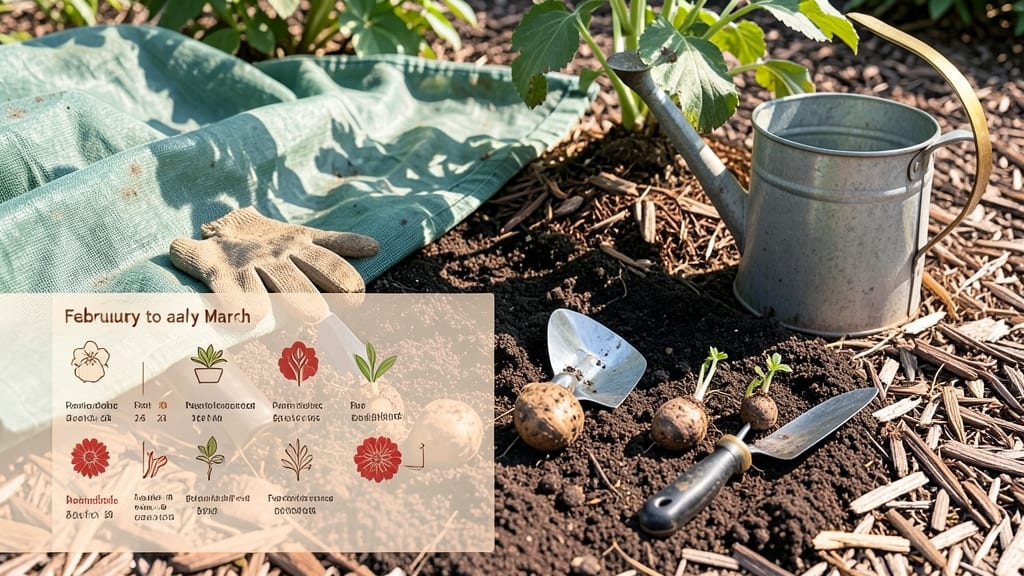
Timing when to plant dahlias in Florida just right isn’t just about avoiding frost—it’s about beating the heat before it stunts your tubers. With 270+ frost-free days in Zones 9a-11, you’ve got a narrow window to plant these stunning 🌸 bloomers without sacrificing their vibrant growth.
Most gardeners in Florida rush planting too early, only to watch their tubers rot in damp, chilly soil. The secret? Wait until soil temperatures hit a steady 60°F—typically by late February or early March—when the risk of late frosts has vanished and the sun’s intensity won’t shock young roots.
I’ll break down the exact heat zone timeline for your county, plus pro tips to prep your soil and tubers for Florida’s brutal summer sun. Skip the guesswork and learn how to turn your garden into a year-round dahlia paradise—from June’s first blooms to November’s final showstoppers.
Ready to ditch the trial-and-error? Let’s get those 🌸 dahlias in the ground at the perfect moment—no frost, no stress, just nonstop color.
Florida’s dahlia planting heat Zones: exact timing by county for frost-free success
Florida’s USDA Hardiness Zones 8a–10b create a unique challenge for dahlia growers—too early, and your tubers rot from lingering cold; too late, and scorching summer heat stunts growth. The key is planting when soil temps hit 60°F+ consistently, typically 2–4 weeks after last frost.
In North Florida (Zones 8a–9a), aim for mid-February to early March, while South Florida (Zones 10a–10b) can start as early as January—but watch for unpredictable cold snaps even in Zone 10.
Coastal areas like Miami-Dade and Broward often see warmer microclimates than inland cities such as Orlando or Gainesville, where nights can still dip into the 40s°F.
Use a soil thermometer to confirm readiness—60°F at 4-inch depth is your green light. Hurricane season (June–November) also dictates transplant timing: avoid heavy rains that waterlog tubers, and delay planting if storms are forecasted.
🌱
| USDA Zone | County Examples | Ideal Planting Window | Soil Temp Threshold | Key Risk |
|---|---|---|---|---|
| 8a–8b | Jacksonville, Tallahassee | Mid-February to early March | 60°F+ for 7+ days | Late frost (Jan–Feb) |
| 9a | Orlando, Ocala | Late February to early March | 60°F+ for 5+ days | Heat stress (April+) |
| 9b–10a | Tampa, Fort Myers | January to early February | 58°F+ for 3+ days | Humidity + fungal risk |
| 10b | Miami, Key West | December to January | 55°F+ (rarely needed) | Hurricane delays |
For North Florida gardeners, prioritize early-march planting to avoid January–February frosts, which can still dip below 32°F in inland areas. Use frost cloth as a precaution if nighttime temps drop below 40°F.
In Central Florida (Zones 9a–9b), late February is ideal—this gives tubers time to establish roots before April’s brutal heat sets in. South Florida’s longer frost-free season means you can plant as early as December, but chitting tubers indoors (placing them in a bright, warm spot) ensures faster growth once transplanted.
🌡️
Microclimates play a critical role. Coastal areas (e.g., Naples, St. Petersburg) benefit from warmer ocean breezes, allowing earlier planting by 2–3 weeks compared to inland cities like Lakeland or Gainesville.
If you’re unsure about your last frost date, check the Florida Climate Center’s historical data or use a local weather app with frost alerts. Container gardening is another option for Zone 8a–9a growers: plant tubers in large pots and move them to protected areas during cold snaps.
Pro tip: Hardened tubers (pre-sprouted in 60°F+ conditions) thrive better in Florida’s heat. Start them indoors 6–8 weeks before your target planting date using seedling trays or paper towels for chitting. This 2–3 inch sprout gives you a head start against Florida’s intense summer sun.
☀️
Once planted, mulching with 2–3 inches of straw or pine needles helps retain moisture and regulate soil temps, especially in sandy Florida soils that heat up quickly. Avoid planting in low-lying areas where water pools—dahlias hate soggy
Pre-planting prep: how to condition dahlias for Florida’s extreme heat and humidity
Florida’s sudden heat spikes and high humidity can shock newly planted dahlia tubers, leading to rot or stunted growth. To harden your tubers, start them indoors 6-8 weeks before your target planting date.
Use a heat mat set to 65°F to mimic Florida’s soil warming trends—this jumpstarts root growth before transplanting.
Your soil needs a sand-compost blend (50/50 ratio) to prevent compaction and improve drainage. Florida’s clay-heavy soils retain too much moisture, so amend with perlite or pine bark fines to create air pockets. Test your soil’s pH—dahlias thrive in 6.5–7.0; adjust with lime or sulfur if needed.
Fertilize lightly at planting with a balanced 5-10-10 mix to kickstart growth. Avoid high-nitrogen fertilizers—they promote leafy growth over blooms, which dahlias hate. Instead, switch to a phosphorus-rich formula (10-20-10) once shoots emerge to encourage root and flower development.
Monitor humidity levels—Florida’s 70%+ humidity can trigger fungal diseases like powdery mildew. Space plants 18–24 inches apart for airflow, and avoid overhead watering. Use a drip irrigation system to deliver water at the soil level, reducing leaf wetness.
Finally, stake your dahlias before planting if your variety exceeds 3 feet tall. Florida’s summer storms can snap stems, and retrofitting stakes later causes root disturbance. Opt for bamboo or metal stakes for durability in hurricane-prone areas.
With these prep steps, your dahlias will thrive through Florida’s 90°F+ heat and still deliver months of vibrant blooms—no wilting in sight! 🌸