
Watering
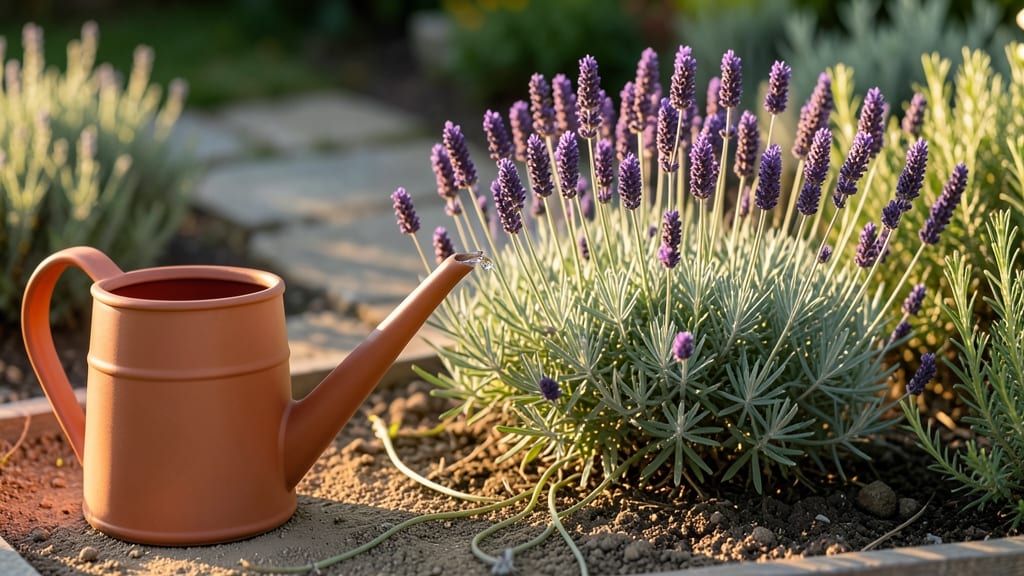
How much water does a lavender plant really need? (Drought-tolerant truths)
Lavender thrives on neglect, not attention—especially when it comes to water. Native to Mediterranean climates, lavender has evolved to survive with minimal moisture. The key is mimicking its natural environment: dry soil between waterings and deep soaks that penetrate roots without lingering.
Most gardeners overwater by default, drowning lavender roots in soggy soil—this is the #1 reason plants yellow and die.
Think of lavender roots like a sponge: they need to soak up water quickly but hate sitting in dampness. A mature lavender plant’s roots spread 12-18 inches wide, so surface watering (like a quick sprinkle) barely reaches them.
Instead, aim for 1-2 gallons per watering for garden plants, or until water drains freely from container holes. This ensures roots get the hydration they crave without suffocating.
Soil type makes all the difference. Lavender despises clay or compacted soil, which traps moisture. Amend heavy soil with sand, gravel, or perlite to create a gritty texture that mimics its native rocky terrain.
If your soil drains poorly, consider planting in raised beds or containers with drainage holes—this is non-negotiable for lavender’s survival.
Seasonal adjustments are critical. In spring and fall, lavender needs moderate watering (every 7-10 days) to encourage root growth and flowering. But by summer, cut back to every 5-7 days—heat increases evaporation, so soil dries faster.
Winter is the driest season: reduce watering to once a month or only when soil feels bone-dry 2 inches below the surface.
| Condition | Lavender Water Needs | Key Tips |
|---|---|---|
| Soil Type | Well-draining, gritty | Amend with sand/perlite; avoid clay |
| Watering Depth | 12-18 inches deep | Use a long wand or soaker hose |
| Spring/Fall | Every 7-10 days | Encourage root growth |
| Summer | Every 5-7 days | Increase for heat/drought |
| Winter | Monthly or none | Only if soil is bone-dry |
| Containers | Every 5-7 days | Drainage holes required |
| Garden Beds | Every 10-14 days | Soil holds moisture longer |
Here’s a pro tip: Water in the morning (before 10 AM) to let foliage dry completely by evening. This prevents fungal diseases like root rot or powdery mildew, which thrive in damp conditions. If you must water in the evening, avoid wetting leaves—aim for the soil base only.
A simple trick is to use a soaker hose or drip irrigation, which delivers water directly to roots without splashing leaves.
Newly planted lavender needs extra care. For the first 2-3 weeks, water lightly every 3-4 days to help roots establish. After that, taper off to the standard schedule.
Mulching with gravel or pebbles (not organic mulch) helps retain heat and improve drainage—just keep mulch 2-3 inches away from the stem to prevent rot.
Signs of overwatering include yellowing leaves, mushy stems, or mold at the soil line. Underwatering shows as crispy leaf edges, wilting even when soil is dry, or no new growth.
Both are fixable: adjust your schedule and amend soil as needed. Remember, lavender’s drought tolerance is legendary—it’s better to underwater slightly than drown it.
For container-grown lavender, size matters. A 5-gallon pot holds enough soil to water less frequently (every 7-10 days), while a 1-gallon pot dries out faster (every 5-7 days). Always check soil moisture before watering: stick your finger 2 inches deep.
If it feels dry, water; if damp, wait. This simple habit saves countless lavender plants from overzealous gardeners.
One final myth to debunk: "Lavender needs lots of water to bloom". In reality, too much water reduces flowering. The plant’s energy goes into surviving soggy conditions instead of producing those fragrant spikes. For maximum blooms, prioritize sunlight (6+ hours daily) and minimal watering
How much water does a lavender plant really need? (Drought-tolerant truths)
Lavender thrives on the drought-tolerant side of the watering spectrum, but most gardeners overcompensate by drowning their plants. The key is deep, infrequent watering that encourages strong root growth. Unlike thirsty annuals, lavender stores water in its woody stems, so it can handle dry spells once established.
Think of it like a Mediterranean shrub—it evolved to survive with minimal moisture.
Your lavender’s soil type dictates its water needs. Sandy or gravelly soil drains quickly, requiring more frequent but shallow watering, while clay-heavy soil holds moisture longer, demanding less water.
Always prioritize well-draining soil—lavender roots rot faster than cacti in soggy conditions. If you’re unsure, stick your finger 2-3 inches deep; if it’s damp, wait before watering.
| Condition | Specification |
|---|---|
| Water Frequency (Established Plants) | Every 10-14 days (ground), 5-7 days (containers) |
| Water Volume per Session | 1-2 gallons (ground), ½ gallon (6-inch pots) |
| Ideal Watering Time | Morning (6-9 AM) to reduce evaporation and fungal risk |
| Soil Moisture Check | Top 2 inches dry before watering; 3-4 inches dry for deep roots |
| Seasonal Adjustments | Summer: Water every 5-7 days; Winter: Monthly or none if dormant |
Newly planted lavender needs more attention—water every 5-7 days for the first 4-6 weeks to help roots establish. After that, taper off to mimic its natural habitat. A common mistake is watering at night, which traps moisture on leaves and invites fungal diseases like powdery mildew.
Always water at the base of the plant, avoiding the foliage entirely.
Container-grown lavender dries out faster than in-ground plants because pots lack the moisture-retention benefits of soil. If your lavender is in a pot, double-check drainage holes—they’re non-negotiable. Use a terracotta pot for best results; it wicks away excess moisture.
Pro tip: Place a gravel layer at the bottom of the pot to prevent root rot from sitting water.
Watch for visual cues like crispy leaf edges (underwatering) or yellowing stems (overwatering). Lavender’s silvery-green foliage should stay vibrant, not wilted or mushy. If you’re unsure, lift the pot—if it’s light as a feather, it’s time to water.
If it’s heavy, wait another week. Trust your plant’s signals over a rigid schedule.
Mulching is your secret weapon for lavender care. Apply a 2-inch layer of gravel or coarse sand around the base (but not touching the stems) to insulate roots and reduce evaporation.
Organic mulches like straw can work, but they retain too much moisture. Never mulch wet soil—it suffocates roots by trapping humidity. Think of mulch as a desert blanket for your lavender.