
Light Requirements
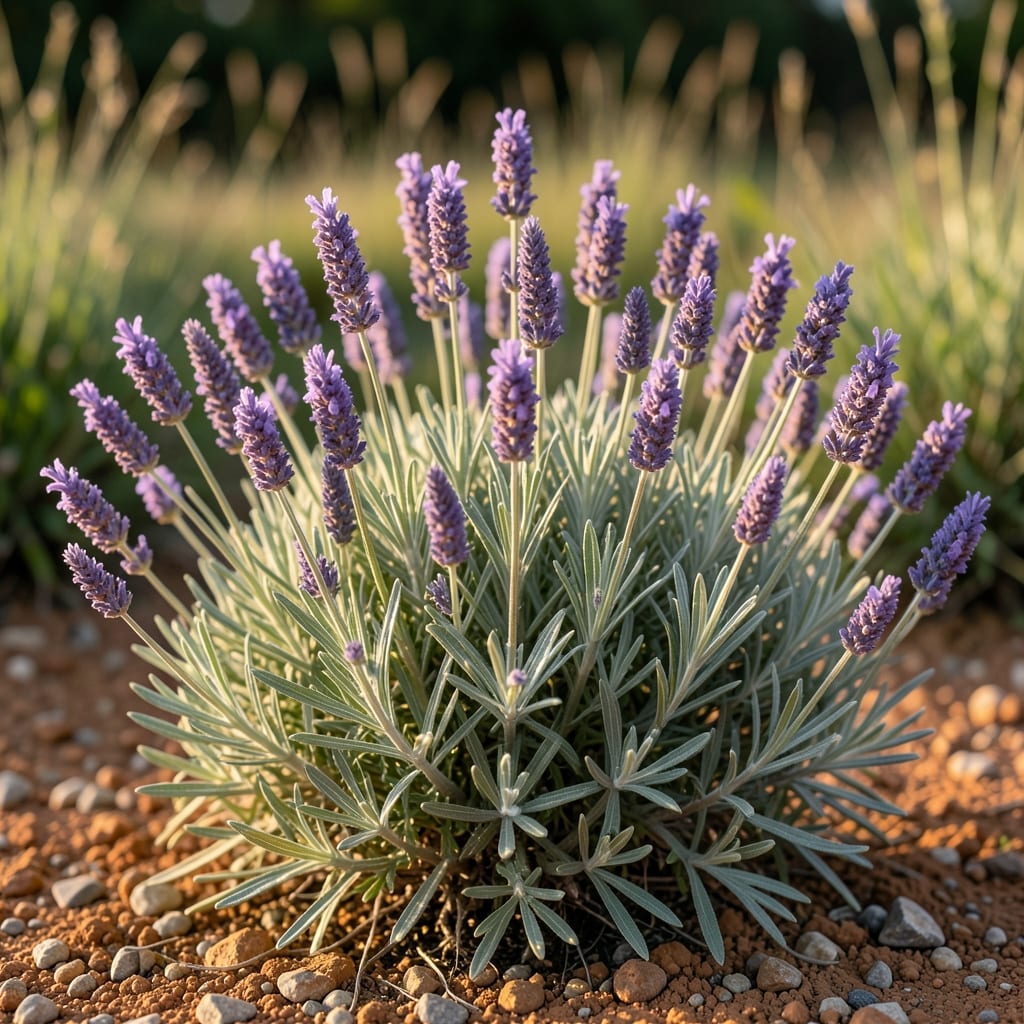
Lavender light requirements: the ideal sun exposure for healthy growth
Lavender plants are sun worshippers at heart, and their light requirements directly impact everything from bloom intensity to fragrance strength. While most varieties thrive in full sun, not all lavenders are created equal—some tolerate partial shade better than others. Understanding these nuances will help you position your plants for success, whether you're growing English lavender, French lavender, or Spanish lavender.
At the core, lavender needs 6 to 8 hours of direct sunlight daily to produce its signature purple blooms and aromatic foliage. This translates to 60-80% sunlight exposure in a typical garden setting. However, peak summer sun (especially in hot climates) can sometimes cause stress, so afternoon shade can be beneficial during the hottest months. The key is balancing light intensity with temperature regulation.
Here’s how different lavender varieties stack up when it comes to sunlight tolerance, along with signs of under-exposure and over-exposure to watch for:
| Variety | Ideal Sunlight | Min. Tolerable | Signs of Too Little Light |
|---|---|---|---|
| English Lavender (e.g., 'Munstead', 'Hidcote') | 6-8 hours | 4 hours (partial shade) | Leggy stems, sparse blooms, pale foliage |
| French Lavender (e.g., 'Grosso', 'Provence') | 8+ hours | 6 hours (struggles below) | Stunted growth, weak fragrance, floppy stems |
| Spanish Lavender (e.g., 'Anouk', 'Papillon') | 6-7 hours | 4-5 hours (more shade-tolerant) | Reduced flowering, elongated internodes |
🌿 Pro Tip: Use a sun calculator (available on gardening apps) to track daily sunlight in your microclimate.
If your lavender is showing signs of light deprivation, such as long, weak stems or fewer blooms, it’s time to relocate. Start by moving potted lavender to a sunnier spot and gradually acclimate it to avoid shock. For in-ground plants, consider pruning nearby trees or shrubs that cast dense shade during peak sunlight hours (10 AM–4 PM). Even a few extra hours of morning sun can make a dramatic difference in flower production.
On the flip side, too much intense sunlight—especially in hot, dry climates—can cause leaf scorch or heat stress. Look for brown, crispy edges on leaves or wilting despite adequate water as warning signs. In these cases, provide afternoon shade using a lightweight shade cloth (30-50% coverage) or by planting near taller, shade-providing perennials like rosemary or sage.
Seasonal adjustments are also key. In spring and fall, lavender can handle full sun exposure without issues, but during summer’s peak heat, even hardy varieties may benefit from 2-3 hours of afternoon relief. Pay attention to your local microclimate: Urban areas with heat islands may require more shade, while rural gardens with cool breezes can often support lavender in full sun year-round.
For container gardeners, light needs don’t change, but positioning does. Place pots on south-facing patios or rooftop gardens where they’ll receive unobstructed sunlight. If your balcony only gets morning sun, rotate the pot every few days to ensure even light exposure. Remember, lavender’s root system is shallow, so containers must be placed where they won’t be overshadowed by taller plants or structures.
One common mistake I see is assuming that bright, indirect light (like near a west-facing window) is sufficient. While this may work for herbs like basil, lavender requires direct rays to trigger photosynthesis and oil production—the secret behind its signature fragrance. If you’re growing lavender indoors, supplement with a grow light (12-14 hours/day) to mimic outdoor conditions.
Finally, don’t overlook the role of reflective surfaces. Light-colored hardscapes, like gravel paths or white walls, can bounce extra light onto your lavender, effectively increasing its sunlight exposure by up to 20%. This is a game-changer for gardeners with limited full-sun spots.
Lavender light requirements: the ideal sun exposure for healthy growth
Lavender plants thrive best in full sun conditions, but not all varieties have identical needs. Generally, lavender requires 6 to 8 hours of direct sunlight daily to produce vibrant blooms and maintain its signature fragrance. Without enough light, you’ll notice weak stems, sparse foliage, and fewer flowers—signs your plant is struggling to photosynthesize efficiently.
Different lavender varieties have slight variations in their sun tolerance. For example, English lavender (like 'Munstead') handles full sun beautifully, while Spanish lavender (such as 'Papillon') can tolerate slightly more heat and direct exposure. Understanding these nuances helps you tailor your garden layout for optimal growth.
Here’s a quick reference to lavender’s light needs by variety, including how to spot signs of under- or over-exposure:
| Variety | Minimum Sunlight | Ideal Sunlight | Signs of Stress |
|---|---|---|---|
| English Lavender | 6 hours | 8+ hours | Leggy growth, pale leaves |
| French Lavender | 6 hours | 7-8 hours | Stunted blooms, weak stems |
| Spanish Lavender | 5-6 hours | 6-8 hours | Floppy growth, fewer flowers |
Seasonal adjustments are key, too. In summer, lavender can handle intense afternoon sun, especially in hot climates. However, in cooler months, you might need to supplement light with reflective surfaces like white gravel or light-colored walls to bounce extra sunlight onto your plants.
If your lavender is planted in a container, rotate it every few weeks to ensure even light exposure on all sides. This prevents one side from becoming leggy or over-exposed while the other remains shaded. Containers also allow you to move plants closer to sunny spots during cloudy periods.
Over-exposure to harsh afternoon sun can scorch lavender leaves, especially in high-heat zones. If you notice crispy edges or brown spots, provide afternoon shade with a sheer cloth or relocate the plant temporarily. Balancing light and protection is the secret to keeping lavender lush and fragrant year-round.
🌿