
Plants
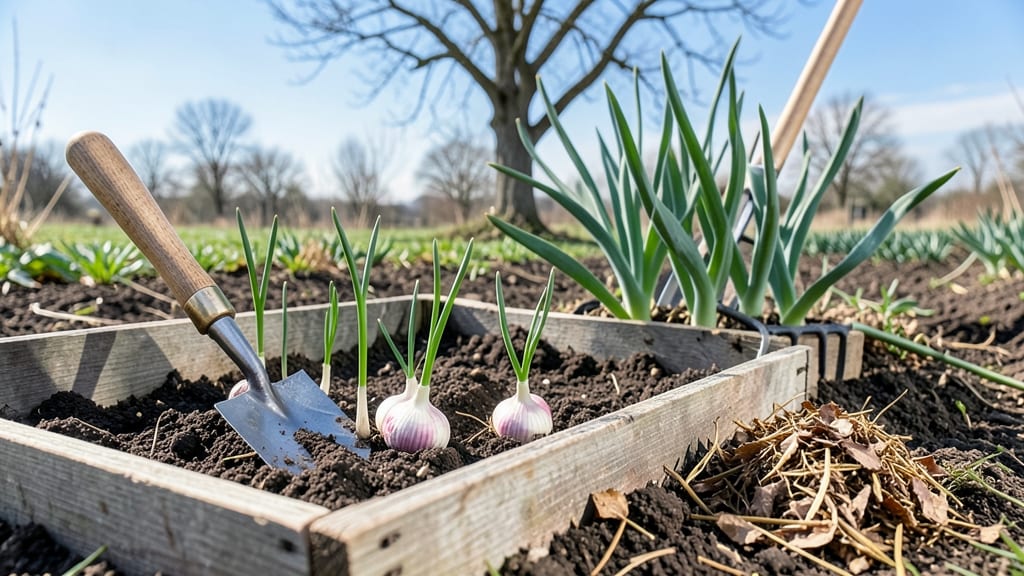
Timing your 🧅 onion planting in Vermont isn’t just about following a calendar—it’s about beating the unpredictable frosts that can turn your crop into a sad, wilted mess.
Whether you’re a first-time gardener or a seasoned green thumb, getting those sets in the ground at the right moment makes all the difference between a bumper harvest and a disappointing flop.
Most gardeners in USDA zones 4b-6a know spring is the prime window, but did you realize late summer offers a second chance for fall harvests?
The key lies in understanding Vermont’s mid-May last frost date and how soil temperatures shift between March and April—two factors that separate successful growers from those who wait too long.
I’ll walk you through the exact planting windows for sets, seeds, and transplants, plus how to prep your soil for maximum bulb development. No more guessing games—just proven strategies tailored to Vermont’s climate quirks.
Ready to grow onions that store like champions? Let’s dive into the frost-free timeline that’ll have you harvesting plump, flavorful bulbs from August to October.
Vermont onion planting calendar: exact dates by variety type
Vermont’s USDA zones 4b-6a mean your onion planting window hinges on last frost dates—typically mid-May in the north and late April in southern regions. But don’t just rely on dates: soil temperature and variety type matter just as much.
For onion sets (pre-grown bulbs), start 4-6 weeks before last frost, while transplants need 3-4 weeks to establish roots. Seeds, the slowest to mature, should go in indoors by March and outdoors after last frost.
Timing also depends on whether you’re growing storage onions (like Yellow Sweet Spanish) or green onions (scallions). Storage onions need 100-120 days of growth, while green onions mature in 60 days—perfect for a late-summer harvest if planted in July.
For fall harvests, late-summer planting (July-August) works for short-day varieties like Red Baron, which bulbs even in Vermont’s shorter days.
Here’s the critical rule: Soil must reach 40°F for sets/transplants and 50°F for seeds. In Vermont, this often aligns with late April to early May, but northern regions (like Burlington) may wait until early June.
Use a soil thermometer to confirm—don’t guess! Planting too early risks rotting, while waiting too long can stunt bulb development.
| Variety Type | Planting Window (Northern VT) | Planting Window (Southern VT) | Soil Temp Requirement | Notes |
|---|---|---|---|---|
| Onion Sets | April 15–May 1 (4-6 weeks before last frost) | April 1–April 15 | 40°F+ | Fastest method; ready in 60-90 days |
| Transplants | April 20–May 10 (3-4 weeks before last frost) | April 10–April 20 | 40°F+ | Slower start; needs staking for tall varieties |
| Seeds (Indoor Start) | March 1–March 15 (transplant after last frost) | March 1–March 15 | 50°F+ | Longest growing time; best for heirlooms |
| Late-Summer Sets (Fall Harvest) | July 15–August 1 | July 1–July 15 | 50°F+ | Short-day varieties only; harvest before first frost |
For fall storage onions, aim to harvest before Vermont’s first frost (mid-October). If you miss this window, green onions planted in late July will still give you a late-summer harvest before cold sets in.
Pro tip: Mulch heavily in fall-planted beds to extend the season—onions tolerate light frosts but not freezing soil.
Vermont’s microclimates can shift planting windows by 2-3 weeks. For example, Burlington’s cooler lakeside air may delay planting by 10-14 days compared to Rutland’s valleys. Check your local USDA frost map or use a garden thermometer to adjust.
If you’re unsure, plant a test row of sets in early April—if they survive, you’ve got your safe zone.
Don’t overlook black fly pressure, Vermont’s biggest onion pest. Early planting (before May 15) often avoids peak fly activity. For late-summer plantings, use floating row covers until plants are
Signs Vermont’s soil is ready for onions (beyond the calendar)
Vermont’s unpredictable frosts and cool soils demand more than just checking a calendar. Even if your last frost date has passed, soil temperature and moisture levels are the real indicators.
Onions need soil that’s at least 45°F (7°C)—warmer for seeds, slightly cooler for sets—and free of lingering frost risks. Here’s how to tell when it’s truly time to plant.
First, perform the finger test for soil readiness. Stick your finger 2 inches deep into the soil. If it feels cool but workable (not icy), it’s ready for onion sets.
For seeds or transplants, wait until the soil warms to 50°F (10°C)—test by pressing your palm against the ground for 10 seconds. If it’s comfortable, the soil’s ready.
🌱 Key Takeaway: 3 Must-Check Signs Before Planting
- Soil Temperature: 45°F+ for sets, 50°F+ for seeds
- Frost Risk: No overnight temps below 32°F for 2+ weeks
- Moisture: Drains within 6 hours; no standing water
Next, watch for black fly pressure, Vermont’s sneaky onion enemy. These pests thrive in warm, moist springs, so plant onion sets (small bulbs) instead of seeds if flies are active.
Sets grow faster, outpacing the insects. If you’re sowing seeds, use floating row covers until seedlings are 4 inches tall.
Don’t ignore the moon phase either—Vermont gardeners swear by planting onions during the waxing moon (when roots grow stronger). Check a lunar calendar and aim for 3–5 days after the new moon for best results.
Combine this with your soil tests, and you’ll have onions thriving in Vermont’s short season.
Finally, avoid the common mistake of planting too early. If your onions sprout and get frost-nipped, they’ll bolt (flower) prematurely, ruining your harvest. Wait until mid-to-late April in most of Vermont (later in the Northeast Kingdom) for spring planting.
For fall onions, plant July 1–15 to harvest before hard frosts.
With these field-tested signs, you’ll beat Vermont’s frost risks and grow onions that store all winter. The key? Patience and soil prep—never rush into the garden! 🌱