
Plants
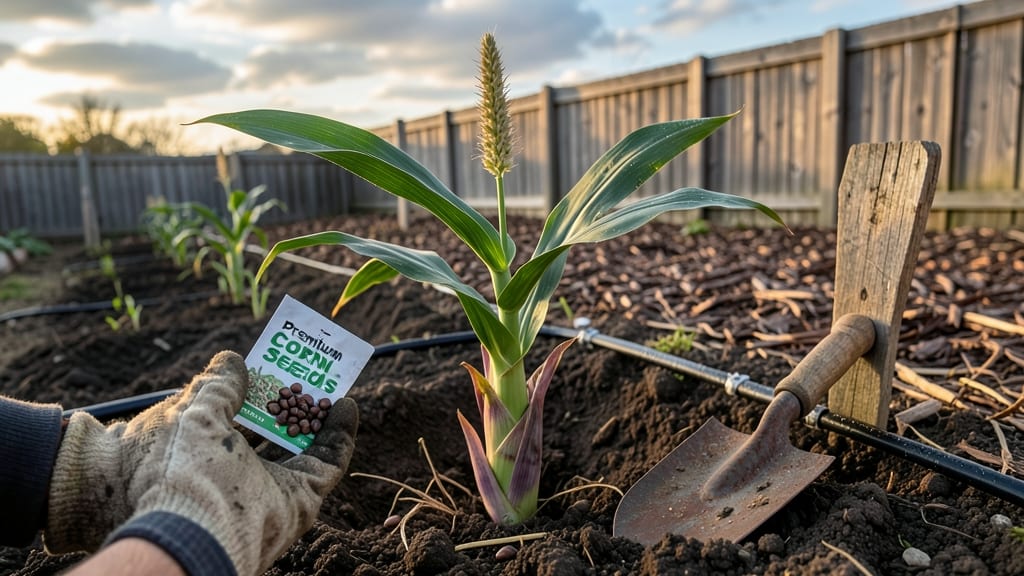
Timing your corn planting in Zone 8a could mean the difference between a bountiful harvest of sweet 🌽 and a disappointing flop. With just a 2-week window between ideal soil temperatures and last frost dates, getting it right is everything.
Most gardeners in 8a rush to plant too early, only to watch their seeds rot in cold soil or struggle with late frosts. But here’s the secret: your corn thrives when soil hits 60°F consistently, usually around mid-April to early June.
That’s when those little seeds finally wake up and race toward the sun.
In this guide, I’ll break down exactly when to plant—plus how to stretch your harvest season with smart succession planting. Whether you’re coastal or inland in 8a, these tips will help you grow corn that’s tall, sweet, and ready to pick by late summer.
Ready to turn your garden into a cornucopia? Let’s get those seeds in the ground at the perfect moment for your 8a climate.
Optimal soil temperature and frost-free deadline for planting corn in Zone 8a
Corn is a warm-season crop, and in Zone 8a, timing your planting correctly is critical for success. The last frost date typically falls around March 15, but soil temperature is just as important as calendar dates.
Corn seeds won’t germinate well until the soil reaches at least 50°F, with ideal conditions between 60-70°F. Waiting for warmer soil prevents slow germination and weak seedlings.
In Zone 8a, your best window to plant corn is between mid-April and early June. This ensures your corn has 90-120 days to mature before the first frost, which usually arrives around November 15.
Early plantings in April give you the longest growing season, while June plantings can still yield a harvest if you choose fast-maturing varieties.
To determine your exact planting window, check your local frost-free dates and soil temperature trends. Use a soil thermometer to confirm the ground is warm enough—corn roots struggle in cold soil.
If your soil warms up earlier than expected, you can plant as early as late March, but be prepared to use row covers if frost threatens.
Microclimates also play a role in Zone 8a. Areas near bodies of water or in urban heat islands may warm up faster, allowing for earlier plantings.
Conversely, high-elevation spots or shaded gardens might need to wait until late April. Observe your garden’s unique conditions over a few seasons to refine your timing.
If you’re unsure about your local frost dates, consult the USDA Plant Hardiness Zone Map or your local cooperative extension service. They provide hyper-local data that can adjust your planting window by 1-2 weeks.
For example, coastal areas in Zone 8a may have longer frost-free seasons, while inland regions might need to plant slightly later.
Another key factor is succession planting. In Zone 8a, you can often squeeze in 2-3 corn plantings by staggering seeds every 2-3 weeks. Start with your first planting in mid-April, then follow up in late April and early May.
This ensures a continuous harvest from late July through October.
For direct-sown corn, depth is critical. Plant seeds 1-1.5 inches deep and space them 4-6 inches apart in rows 2-4 feet apart. Corn thrives in well-draining soil with a pH of 6.0-7.0.
Amend your soil with compost or aged manure before planting to provide essential nutrients like nitrogen, phosphorus, and potassium.
Remember, corn is sensitive to cold snaps even after germination. If nighttime temperatures drop below 50°F after planting, use row covers or cloches to protect young seedlings. This extra layer of insulation can buy you 1-2 weeks of growing time in Zone 8a’s unpredictable spring weather.
By mastering these soil temperature and frost-free guidelines, you’ll set your corn up for a robust start and a bountiful harvest. Next, we’ll explore the best corn varieties for Zone 8a and their ideal planting windows to maximize your yield.
Optimal soil temperature and frost-free deadline for planting corn in Zone 8a
In Zone 8a, corn thrives when planted after the last frost date—typically around March 15—but soil temperature is just as critical. Corn seeds need soil temps of 50-60°F to germinate properly, meaning you should wait until mid-April to early May for ideal conditions.
Coastal areas may have earlier planting windows, while inland regions should delay until late April to avoid late frosts.
Use a soil thermometer to confirm readiness—planting too early in cold soil can stunt growth or cause rot. For Zone 8a, aim for a frost-free window of 240+ days, which gives corn enough time to mature before the first frost in mid-November.
This means your last planting should occur by early June for a successful harvest.
🌱 Zone 8a Corn Planting Timeline
| Stage | Action | Soil Temp |
|---|---|---|
| Pre-Plant | Test soil pH (6.0-7.0) | N/A |
| Planting Window | Mid-April to early June | 50-60°F |
| Germination | 7-14 days | 60°F+ |
| Harvest Ready | Late July-October | N/A |
| First Frost Risk | Mid-November | N/A |
50-60°F
Mid-April
to June
Microclimates matter! If you're in a cooler microclimate (like a valley), delay planting until early May. Conversely, warmer microclimates (e.g., urban heat islands) may allow earlier plantings in late March. Monitor your local almanac or use a frost calendar to fine-tune your schedule—this can add 1-2 weeks of flexibility.
For successive plantings, space them 2-3 weeks apart to extend your harvest season. Start with an early variety in mid-April, then follow with a mid-season type in late April and a late-season variety in early May.
This ensures you have corn ready from late July through September, avoiding the risk of all plants maturing at once.
Pro tip: Use black plastic mulch to warm the soil faster, which can shave off 1-2 weeks from your planting timeline. This is especially useful if you're pushing the limits of your Zone 8a growing season. Just remove the mulch once plants emerge to avoid overheating.
Finally, avoid planting corn too close to frost dates. Even a light frost can damage tender corn plants, so leave at least 60-75 days before your first expected frost for a full harvest. In Zone 8a, this means no later than early June for your final planting.