
Plants
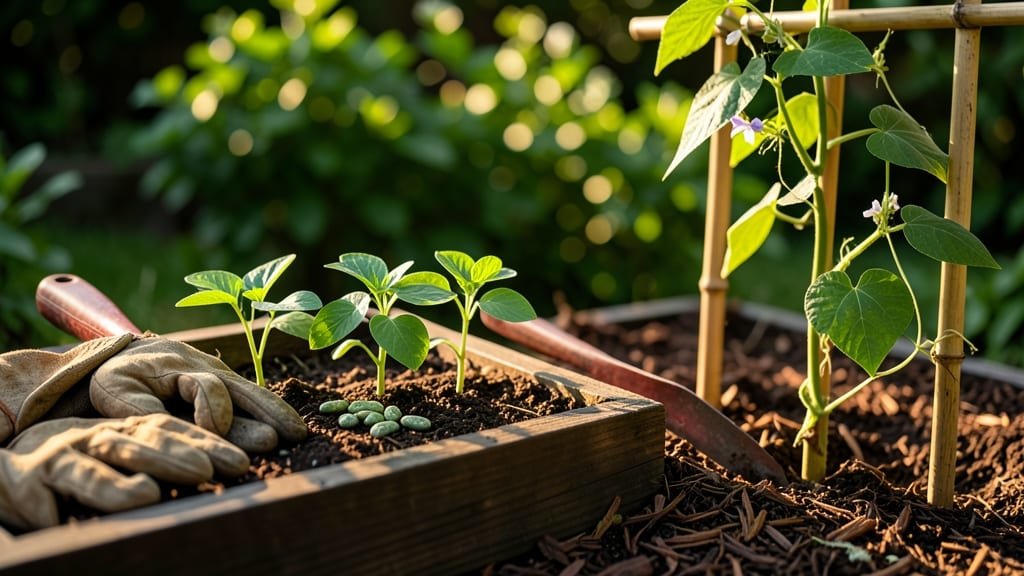
Nebraska green bean planting dates by USDA hardiness Zone (with frost calculator)
Nebraska’s USDA Zones 4a-6b create a unique challenge for green bean growers—cool springs and hot summers demand precise timing. The last average frost date varies dramatically across the state, from mid-April in western Nebraska (Zone 6b) to late May in the northeast (Zone 4a).
Planting too early risks frost damage, while waiting too long shortens the harvest window.
For reliable results, aim to plant green beans 2-3 weeks after your area’s last frost date. This gives seedlings time to establish roots before summer heat arrives.
Nebraska’s short growing season (about 120-140 frost-free days) means you’ll need to choose varieties carefully and consider succession planting for extended harvests.
Here’s how to calculate your exact planting window using Nebraska’s historical frost data and soil temperature thresholds:
| USDA Zone | Last Frost Date (Avg.) | Optimal Planting Window | Soil Temp Requirement | Recommended Varieties |
|---|---|---|---|---|
| 4a (Northeast) | May 15-20 | May 25 - June 5 | 60°F+ (15.5°C+) | Kentucky Wonder, Tendercrop |
| 5a (Central) | April 25 - May 5 | May 10 - May 25 | 60°F+ (15.5°C+) | Blue Lake, Contender |
| 5b (Southwest) | April 10-15 | April 25 - May 10 | 60°F+ (15.5°C+) | Provider, Blue Lake |
| 6a (Panhandle) | April 5-10 | April 20 - April 30 | 55°F+ (13°C+) | Blue Lake, Blue Lake Bush |
| 6b (Western) | March 30 - April 5 | April 10 - April 20 | 55°F+ (13°C+) | Kentucky Wonder, Blue Lake |
🌱 Pro Tip: Use Nebraska State Climate Office’s frost date maps for your county’s exact averages.
For gardeners in western Nebraska (Zones 5b-6b), you can push the envelope slightly by planting cold-tolerant varieties like ‘Kentucky Wonder’ as early as mid-April, provided soil temperatures stay above 55°F (13°C). In contrast, eastern Nebraska (Zones 4a-5a) should wait until after May 15 to avoid frost damage.
Nebraska’s climate also allows for a fall planting window in late July for varieties like ‘Contender’ or ‘Blue Lake’. These late-season plantings thrive with Nebraska’s cool nights and warm days in late summer, producing pods until first frost in October.
Just be sure to use row covers if early frosts threaten.
To extend your harvest even further, try succession planting every 2 weeks from your optimal window until mid-July. This staggered approach ensures a steady supply of fresh green beans from July through September, even in Nebraska’s shorter growing season.
One common mistake Nebraska gardeners make is planting too late in the season. If you miss the early June window
Optimal soil temperature and preparation for green bean success in Nebraska
Nebraska’s sandy loam and clay-heavy soils can either be your green beans’ best friend or worst enemy—it all comes down to soil temperature and preparation. Green beans need soil that’s warmed to at least 60°F to germinate properly, and Nebraska’s chilly springs often delay this window.
Without proper prep, you risk poor germination or fungal issues like root rot.
Start by testing your soil’s warmth using a soil thermometer (available for under $10). Stick it 2 inches deep in the morning—this is where your seeds will be. If the reading is below 60°F, wait a few more days or use black plastic mulch to warm the soil faster.
In Zone 5a (western Nebraska), this might mean waiting until mid-May, while Zone 6b (eastern Nebraska) can plant as early as late April.
Before planting, amend your soil with 2-3 inches of compost or well-rotted manure. Nebraska’s native soils often lack organic matter, which green beans crave for strong root development.
Mix in a balanced fertilizer (5-10-10) at planting time, but avoid overdoing it—too much nitrogen leads to leafy growth at the expense of pods. For clay-heavy soils, add sand or perlite to improve drainage, as waterlogged conditions trigger fungal diseases.