
Plants
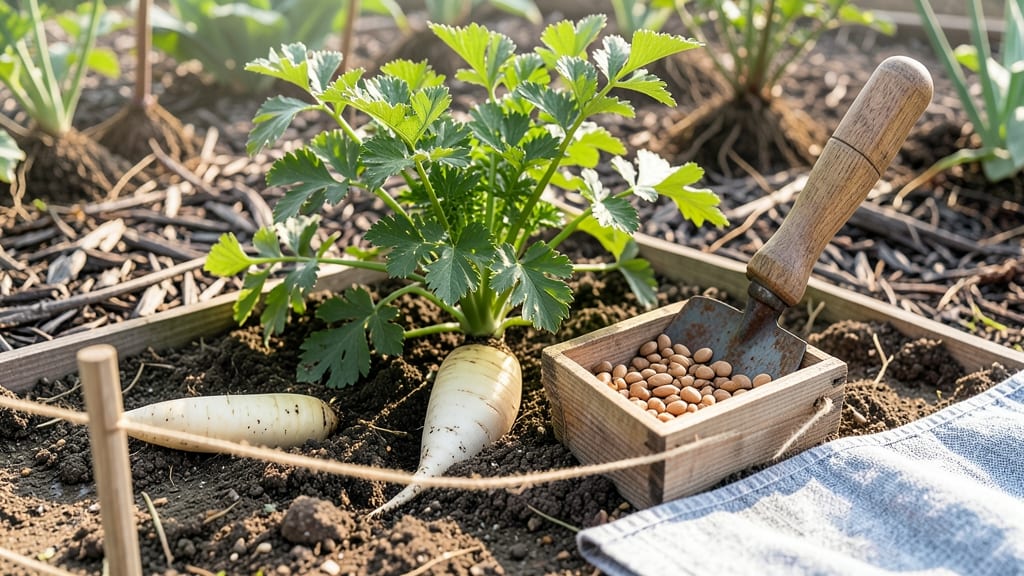
If you've ever planted parsnips in Zone 8 only to end up with tough, woody roots instead of sweet, tender harvests, you're not alone. The secret lies in understanding the soil temperature triggers that make all the difference between success and disappointment.
Parsnips—those creamy, carrot-like roots—love Zone 8’s mild winters, but timing is everything. Plant them too early, and you risk bolting or poor germination. Too late, and you’ll miss the ideal harvest window before the first frost.
I’ll show you exactly when to plant for zero-frost success, so you can enjoy homegrown parsnips that rival (or even beat) store-bought quality.
Most gardeners in Zone 8 focus on frost dates, but the real game-changer is soil temperature. Parsnips thrive when the ground is between 50°F and 60°F, and I’ll walk you through the best windows—fall vs. spring—to maximize your yield.
Whether you're in Southern California, Texas Hill Country, or Coastal Georgia, these tips will help you avoid common mistakes and grow parsnips like a pro.
Ready to transform your garden? Let’s dive into the perfect planting schedule for parsnips in Zone 8, so you can harvest sweet, flavorful roots all season long.
Optimal planting windows for parsnips in Zone 8 by soil temperature
Zone 8’s mild winters give parsnips a unique advantage—they can mature through fall and even early winter. But timing is everything. Plant too early, and you risk bolting from heat stress. Plant too late, and roots turn woody before harvest. The secret? Soil temperature triggers between 50°F–60°F for germination.
Most Zone 8 gardeners focus on fall planting (August–September) because it aligns with cooling soils and avoids summer’s heat stress. However, spring planting is possible in cooler microclimates, like high-elevation areas or coastal regions where soils warm slowly.
Here’s the critical rule: Wait until soil temperatures consistently stay above 50°F before sowing. Use a soil thermometer to confirm—this prevents slow germination or seed rot. In Southern California, this often means late August; in Texas Hill Country, it’s early September.
| Planting Window | Soil Temp | Zone 8 Region | Harvest Time |
|---|---|---|---|
| Late August–Early September | 50°F–60°F | Southern California, Coastal Georgia | October–December |
| Early September–Mid-September | 55°F–65°F | Texas Hill Country, Central Florida | November–January |
| Spring (March–April) | 60°F+ (cooler microclimates) | High elevation, coastal areas | June–July |
Spring planting in Zone 8 is riskier because parsnips need 90–120 days to mature. If you sow in March, you’ll likely harvest in late June–July, just as summer heat arrives.
This can cause bolting (premature flowering) and bitter roots. Stick to fall planting unless you’re in a cooler microclimate with late frosts.
For fall harvests, aim to plant 2–3 weeks before your first frost date. In most of Zone 8, this means mid-August to early September. Check your local USDA frost map—some areas (like Coastal Georgia) may have earlier frosts than inland regions.
Pro tip: Succession plant every 2 weeks in late summer for a staggered harvest. This ensures you’re always pulling tender roots instead of letting them mature into woody monsters. Just remember, parsnips hate heat, so avoid planting after mid-September in most of Zone 8.
If you’re in a warmer pocket of Zone 8 (like Southern Arizona), you can push planting into early October. But monitor soil temps—once they drop below 50°F, germination slows dramatically. Use a row cover or cold frame to extend the season if needed.
One final trick: Plant near garlic or onions to deter pests like carrot rust flies. These companion plants also help signal when soil temps are dropping—once their leaves start yellowing, it’s time to mulch heavily to protect your parsnips from frost damage.
Master these soil temperature triggers, and you’ll grow parsnips that are sweeter and more tender than anything you’ve bought at the store. Just don’t wait too long—once those roots hit 1.5 inches in diameter, they’ll start toughening up fast. 🥕
Optimal planting windows for parsnips in Zone 8 by soil temperature
Zone 8 gardeners have a unique advantage with parsnips—their mild winters allow for two successful planting windows. Unlike cooler zones, you can grow parsnips in both fall and spring, but timing is everything. The key? Soil temperature must stay between 50°F–60°F for germination and early growth.
For fall harvests, aim to plant parsnips 8–10 weeks before your first frost (typically mid-August to early September in Zone 8). This gives roots time to mature before cold sets in.
Spring plantings should happen 4–6 weeks before your last frost (usually late February to early March), but watch for bolting risks if temperatures spike too soon.
| Planting Window | Soil Temp Requirement | Zone 8 Months | Harvest Window |
|---|---|---|---|
| Fall Planting | 50°F–60°F | August–September | October–December |
| Spring Planting | 55°F–65°F | February–March | April–May |
| Late Summer (Succession) | 50°F–60°F | July–Early August | September–October |
Microclimates in Zone 8 matter! Coastal areas like Southern California can plant parsnips earlier (as early as July) due to warmer soils, while inland regions like Texas Hill Country may need to wait until mid-August to avoid heat stress.
Always check your local last frost date—most Zone 8 areas see frost between December 15 and January 15.
Pro tip: Use a soil thermometer to confirm temperatures before planting. Parsnips won’t germinate below 50°F, and soil that’s too warm (70°F+) can trigger bolting. Aim for consistent moisture during germination—keep soil evenly damp but not soggy.
For extended harvests, try succession planting every 2–3 weeks in late summer. This ensures a steady supply of fresh roots before winter sets in. Just remember: harvest before hard frosts to preserve sweetness—parsnips left in the ground too long turn woody and bitter.
Zone 8’s mild climate lets you experiment with timing, but don’t push it. Fall plantings yield the sweetest roots, while spring crops may bolt faster in warming soils. Start with one window, then expand next season!