
Plants
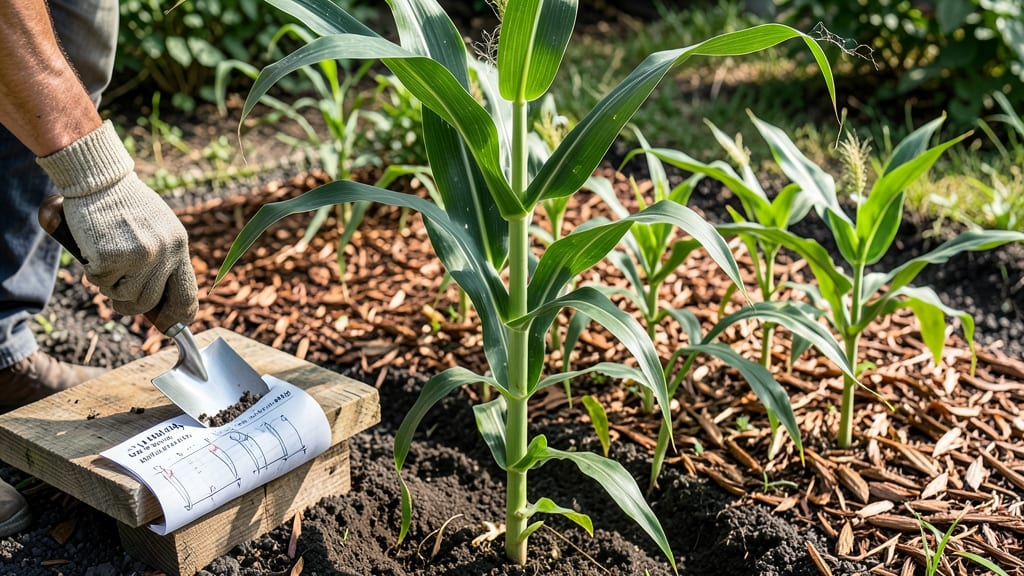
Timing your 🌽 corn planting in Idaho right can mean the difference between a garden full of golden ears and a sad, wilted disappointment.
With Idaho's varied climate—from the high desert's dry heat to the mountain valleys' cooler nights—getting the window wrong could leave your plants struggling or even lost to frost.
Most Idaho growers know the general rule: mid-April to early June is the sweet spot, but the devil's in the details. Soil temperature matters just as much as frost dates—corn needs that earth to warm up to at least 60°F before seeds go in.
And let's not forget how elevation plays a role; what works in Boise's USDA Zone 6b might fail in Coeur d'Alene's cooler Zone 5b.
I've talked to local farmers and checked Idaho State University Extension records, and here's what I've learned: the best varieties for your region, how to stretch your growing season with simple tricks, and why planting too early or late can turn your corn into a science experiment you don't want to repeat.
Let's dive into the exact timing, soil prep secrets, and variety choices that'll have your 🌽 corn thriving from July right through September—no guesswork required.
Idaho corn planting zones: frost dates and ideal timing by region
Idaho’s USDA hardiness zones 3-7 create wildly different planting windows for corn. In Zone 3 (northern Idaho), like Coeur d’Alene, your last frost averages May 15, while Zone 7 (southern Idaho), like Boise, sees frost-free conditions by April 15.
These differences mean 4-6 weeks of timing flexibility that can make or break your harvest.
Corn seeds won’t sprout until soil reaches 50°F+, but roots grow best at 60°F+. In Idaho’s high-desert regions, like Twin Falls, soil warms faster than in mountain valleys like Sandpoint.
This means Zone 6 gardeners can plant 2 weeks earlier than their Zone 4 neighbors without risking frost damage.
Your frost-free window determines everything—from variety selection to harvest timing.
Most Idaho corn varieties need 90-120 days to mature, so planting too late risks early fall frosts (typically October 15-November 1), while planting too early exposes tender seedlings to late spring frosts (which can hit as late as May 20 in northern areas).
Here’s how to match your planting timeline to Idaho’s microclimates for maximum success:
| Zone | Last Frost | First Planting Window | Ideal Varieties | Key Risk |
|---|---|---|---|---|
| 3-4 (North) | May 10-20 | Late May | Early maturing (70-85 days) | Late frost damage |
| 5 (Central) | April 25-May 10 | Early May | Medium (85-100 days) | Drought stress |
| 6-7 (South) | April 10-15 | Mid-April | Late (100-120 days) | Heat stress |
For Zone 3-4 gardeners, I recommend starting seeds indoors 4-6 weeks before your last frost date to get a head start. Use biodegradable pots and transplant seedlings when soil reaches 60°F—typically late May.
In Zone 5-7, direct sow seeds 2-3 weeks after your last frost, aiming for early May in valleys and mid-May in higher elevations.
Pro tip: Check Idaho’s Almanac frost dates for your specific town—Boise’s last frost averages April 15, but Sandpoint’s can linger until May 20. Use these dates as your planting anchor, then adjust for your microclimate. For example, south-facing slopes warm 1-2 weeks earlier than north-facing gardens.
Soil temperature is your true planting guide, not just calendar dates. Use a soil thermometer to confirm 60°F+ at 4-inch depth before planting.
In Idaho’s high-desert areas, like Twin Falls, soil may hit this threshold by mid-April, while mountain valleys like McCall might not reach it until late May.
If you’re in Zone 6 or 7 and want to experiment with early planting, try row covers to protect seedlings from late frosts. Remove covers when plants reach 6 inches tall to avoid overheating.
For Zone 3-4, focus on short-season varieties like ‘Early Sunglow’ (70 days) to ensure harvest before first frost.
Remember: Idaho’s elevation differences can shift planting windows by weeks. A garden at 2,000 feet in Boise may plant 3 weeks earlier than one at 5,000 feet in Sun Valley. Always monitor local forecasts and adjust your timeline accordingly.
🌽
Best corn varieties for Idaho’s climate and when to plant them
Choosing the right corn variety is just as critical as timing in Idaho’s variable climate. Sweet corn thrives in the Treasure Valley, while drought-tolerant varieties work better in high-desert areas like Twin Falls.
Your selection should align with your last frost date and maturity range—typically 70-120 days for Idaho’s growing season.
For early planting (mid-April), opt for fast-maturing varieties like ‘Peaches and Cream’ (70-75 days to harvest). These are perfect for low-elevation zones (5b-6a) where summers are short. Meanwhile, late-spring plantings (late May) can accommodate longer-season varieties like ‘Silver Queen’ (90-100 days) in higher elevations (7a-7b).
Field corn and heirloom varieties like ‘Country Gentleman’ (100-120 days) are better suited for longer growing seasons in southern Idaho. These varieties tolerate hotter temperatures but require consistent moisture—critical in Idaho’s dry summers. Always check USDA zone compatibility and seed packet instructions for your specific microclimate.
| Variety | Maturity (Days) | Best Planting Window | Idaho Zone Fit | Notes |
|---|---|---|---|---|
| Peaches and Cream | 70-75 | Mid-April to early May | 5b-6a | Sweet, early harvest; ideal for short seasons |
| Silver Queen | 90-100 | Late May to early June | 6b-7b | Classic sweet corn; needs warm soil |
| Country Gentleman | 100-120 | Late April to mid-May | 7a-7b | Heirloom; drought-tolerant; long harvest window |
| Bodacious | 80-85 | Early May to late May | 5b-7a | Super sweet; resistant to pests |
If you’re planting in high-desert areas, prioritize drought-resistant varieties like ‘Golden Bantam’ (75 days). These can handle Idaho’s low humidity and hot afternoons better than traditional sweet corn.
Always test soil moisture before planting—Idaho’s clay soils in valleys can retain water longer, while sandy soils in desert regions dry out quickly.
For container growing in urban Idaho (e.g., Boise or Coeur d’Alene), stick to bush varieties like ‘Ambrosia’ (70 days). These compact plants mature faster and require less space, making them perfect for patio gardens with limited sunlight.
Just ensure your containers have drainage holes and use lightweight potting mix to prevent root rot.
Pro tip: Plant a mix of early, mid, and late-season varieties to stretch your harvest from July through September. This strategy ensures you’re not overwhelmed with peak harvests all at once and maximizes your corn storage potential.
Store freshly harvested ears in the freezer or ferment for Idaho-style corn relish—a local favorite!