
Plants
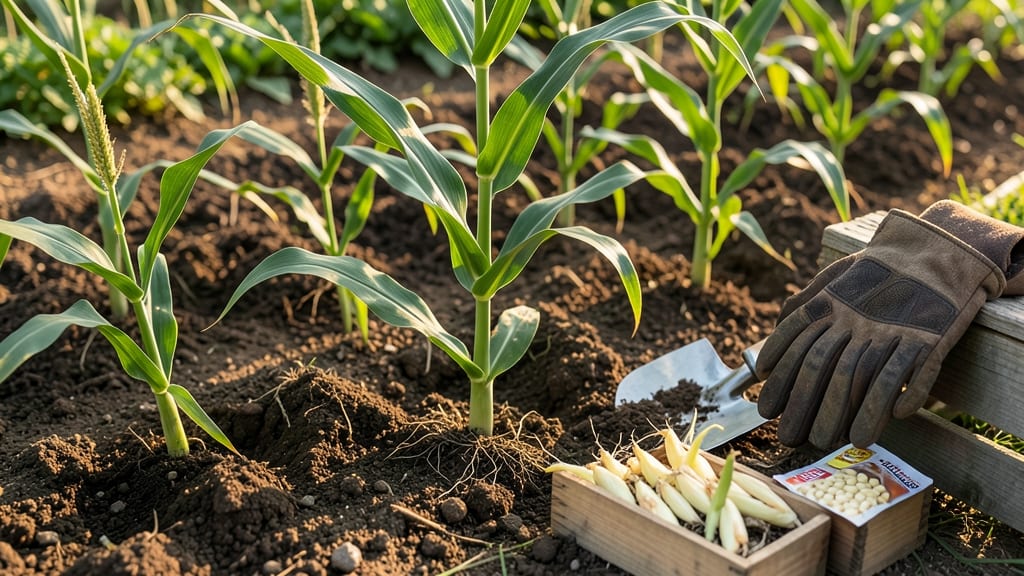
Timing your 🌽 corn planting in Northeast Ohio isn't just about the calendar—it's about beating frost, warming soil, and giving your plants the best shot at thriving. With USDA Zone 6a weather that swings from icy April nights to scorching July days, even experienced gardeners can get it wrong.
Most gardeners here know the rule: wait until after the last frost—typically mid-April—but that's only half the battle. The real secret lies in soil temperature, which needs to hit at least 60°F for seeds to sprout consistently.
Plant too early, and your corn will linger in cold soil, leaving it vulnerable to rot or stunted growth.
In this guide, I’ll break down the exact mid-April to early May window that works for most varieties, plus how to adjust for early vs. late-season planting.
You’ll also learn how to test your soil, avoid common mistakes, and even salvage a late start if Mother Nature throws you a curveball.
Whether you're growing sweet corn for summer meals or field corn for fall harvests, getting the timing right means bigger ears, sweeter kernels, and fewer headaches when the first frost rolls around. Let’s get your corn off to the best possible start.
Northeast Ohio corn planting dates by frost-free zone and variety
Timing your corn planting in Northeast Ohio hinges on two critical factors: last frost dates and corn variety maturity. The region’s USDA Zone 6a typically sees its last spring frost between April 15-30, but this can vary by 10-14 days depending on microclimates.
For example, Cleveland tends to warm up faster than Youngstown, creating a 2-week planting window difference between cities just 60 miles apart.
Corn varieties also play a pivotal role. Early-season varieties (like 'Ambrosia' or 'Silver Queen') mature in 60-75 days, while late-season varieties (such as 'Peaches and Cream') take 90-120 days.
Planting a mid-season variety (e.g., 'Golden Bantam') too late risks ear rot before harvest, while planting early varieties too soon exposes them to frost damage.
Here’s how to align your planting with Northeast Ohio’s frost-free window and variety needs:
| Variety Type | Days to Maturity | Optimal Planting Window | Key Risks | Notes for NE Ohio |
|---|---|---|---|---|
| Sweet Corn (Early) | 60-75 days | April 25 - May 10 | Frost damage if planted too early | Best for Cleveland/Akron; avoid Youngstown if late frost hits. |
| Sweet Corn (Mid) | 75-90 days | May 1 - May 15 | Drought stress if planted late | Ideal for staggered planting; harvests July-August. |
| Sweet Corn (Late) | 90-120 days | May 15 - June 1 | Ear rot from fall rains | Best for Youngstown; use drought-resistant varieties. |
| Field Corn | 90-120 days | May 10 - May 25 | Slow germination in cold soil | Plant after soil reaches 60°F; use black plastic mulch. |
| Popcorn | 85-110 days | May 5 - May 20 | Kernel shattering in heat | Harvest when husks dry; store ears in cool, dry place. |
For Northeast Ohio gardeners, I recommend planting early varieties in mid-April if you’re willing to risk frost (use row covers for protection).
Most gardeners, however, wait until after May 1 to ensure soil warmth and avoid seed rot. Staggered planting every 2 weeks extends your harvest window—critical when summer heat arrives early.
Local extension offices (like Ohio State University’s) track frost data annually. In 2023, for example, Cleveland’s last frost occurred May 5, while Youngstown’s was May 18. Use these as guides, but always monitor your own microclimate—a south-facing garden warms faster than a north-shaded area.
Pro tip: Plant a test row of fast-maturing radishes 2 weeks before your planned corn date. If they thrive, your soil is ready for corn seeds. This 30-second trick saves weeks of guesswork!
One common mistake in Northeast Ohio is planting too deep
Soil temperature and moisture: the hidden factors that determine corn success
Corn seeds need consistent warmth to germinate properly—soil temperatures below 50°F can stall growth entirely. In Northeast Ohio, this means waiting until late April or early May for most varieties, even if frost dates suggest otherwise.
Cold soil delays germination by weeks, leaving plants vulnerable to late frosts or disease pressure.
Moisture is just as critical: dry soil causes seeds to rot, while waterlogged conditions suffocate roots. Ohio’s clay-heavy soils in areas like Akron and Cleveland drain poorly, requiring extra attention.
Test your soil’s moisture by squeezing a handful—it should hold together but not be soggy. Adjust planting dates if your soil feels too dry or too compacted.
Cold Soil Warning
Planting corn in soil below 50°F risks poor germination and weak seedlings. Use a soil thermometer to confirm temps are consistently above 60°F for at least 5 days before planting. In Northeast Ohio, this often means waiting until mid-to-late May for early varieties.
Pro Tip: Cover seeds with black plastic mulch to warm soil faster if you’re eager to plant early.
Sandy soils, common in Youngstown areas, warm up faster but dry out quickly. Amend them with compost or aged manure to retain moisture. For clay soils, work in sand or perlite to improve drainage. Both adjustments help create the ideal planting environment—warm, moist, and well-aerated.
Monitor soil moisture weekly after planting. Corn needs 1-2 inches of water per week, but avoid overhead watering, which spreads fungal diseases. Drip irrigation or soaker hoses deliver water directly to roots, keeping foliage dry.
In Ohio’s humid summers, this prevents common issues like corn smut or gray leaf spot.
If your soil feels too wet after rain, delay planting until it dries slightly. Corn roots need oxygen to grow—waterlogged soil suffocates them. Test moisture by digging a small hole; if water pools at the bottom, wait 2-3 days before planting.
This simple check can save your crop from rot or stunted growth.
For late-season varieties, consider June planting if early attempts fail due to cold soil. While yields may be smaller, short-season hybrids like 'Early Sunglow' can still produce edible ears. Just ensure you have 90+ frost-free days remaining for a successful harvest.