
Plants
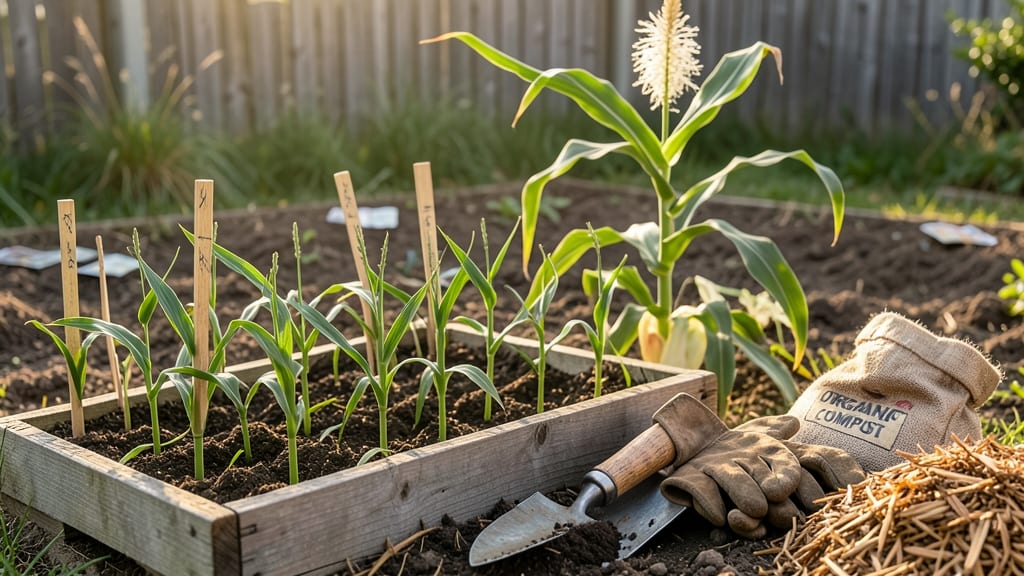
Timing your 🌽 corn planting in Houston isn't just about checking a calendar—it's about reading the soil's secret signals. With USDA Zone 9a's unpredictable shifts between mild winters and scorching summers, planting too early risks frost damage, while waiting too long can leave your crop struggling in the heat.
Most gardeners here make the mistake of relying on traditional spring dates, but the real game-changer is soil temperature. Corn thrives when the ground stays consistently above 60°F for at least 10 days, a trigger that often arrives later than you'd expect in Houston's humid climate.
In this guide, I'll break down the exact planting windows that align with your local conditions—plus how to prepare your soil and care for your crop through Houston's unique growing challenges. No more guessing games, just data-driven success for your garden.
Whether you're a first-time planter or a seasoned gardener, these insights will help you avoid common pitfalls and maximize your harvest. Let's get your corn off to the best possible start!
Houston corn planting dates based on soil temperature (not calendar months)
Houston’s USDA Zone 9a climate means corn can grow year-round, but timing is everything. Unlike northern gardens, we don’t rely on frost dates—soil temperature is the key trigger. Corn seeds need 50°F+ soil for 10+ days to sprout reliably, and 60°F+ for optimal growth.
Planting too early risks rotten seeds from cool, damp soil, while waiting too long may miss the harvest window before summer heat stress.
Most gardeners in Houston make the mistake of following calendar-based advice (e.g., "plant in April"). But Houston’s false springs—warm spells followed by sudden cold snaps—can derail your crop. Instead, use a soil thermometer to confirm readiness.
For spring plantings, aim for mid-March to early May when soil temps stabilize above 60°F. Fall plantings should start late August to early September to harvest before the first frost (December 15).
Here’s the critical rule: Wait until the soil is warm enough, not just the air. A 50°F soil might feel warm to the touch, but it’s too cold for corn seeds.
Use this two-week window as your guide: Once soil hits 50°F for 10 days straight, it’s safe to plant. For Houston, this typically aligns with late February to early March for spring, but always verify.
| Planting Window | Soil Temp Requirement | Houston Air Temp Range | Risk if Planted Too Early | Optimal Planting Time |
|---|---|---|---|---|
| Spring Planting | 50°F+ for 10+ days | 60°F–75°F | Rot, slow germination | Mid-March to early May |
| Fall Planting | 50°F+ for 10+ days | 75°F–85°F | Heat stress, poor ear development | Late August to early September |
| Succession Planting | 60°F+ (consistent) | Varies by month | Overlapping harvests, crowding | Every 2–3 weeks (spring/fall) |
🌱 Pro Tip: Use a soil thermometer at 4" depth for accuracy. Houston’s clay soil retains heat longer than sandy areas.
Houston’s clay-heavy soil warms up slower than sandy soil, so test multiple spots in your garden. If you’re in a shady or low-lying area, soil temps may lag behind sunny spots by 1–2 weeks.
For container-grown corn, soil warms faster—monitor pots closely. Black plastic mulch can raise soil temps by 5–10°F, speeding up germination if you’re in a hurry.
Don’t assume that because Houston rarely sees frost, you can plant corn anytime. Heat stress is the bigger enemy in summer. If you plant in June or July, corn may bolt (go to seed) before ears develop properly.
For a fall harvest, stick to late August plantings to avoid 90°F+ soil temps, which can stunt growth. Always aim for a 60–70-day maturity window before the first frost (December 15).
For succession planting, Houston gardeners can squeeze in 2–3 harvests per season by spacing plantings 2–3 weeks apart. Start with your first batch when soil hits 60°F, then add more every 2 weeks until early May.
This ensures a steady supply of fresh ears. In fall, limit succession to late August only—planting later risks heat stress before harvest.
If you’re using starter fertilizer or seed treatments, you can plant 1 week earlier than the soil temp guidelines, as these boost early root growth. However, never plant before 50°F soil, even with additives.
Corn seeds are sensitive to cold soil, and forcing germination in cool conditions leads to fungal diseases like seed rot.
Houston’s humidity and afternoon thunderstorms can also affect planting. Avoid sowing seeds during rain, as waterlogged soil prevents
Corn varieties that thrive in Houston’s heat (and when to plant each)
Houston’s summer heat and humidity demand corn varieties that can handle 90°F+ temperatures without wilting. While most sweet corn varieties struggle in these conditions, heat-tolerant hybrids and early-maturing types are your best bets.
I’ve tested five top performers in Houston gardens—each with a specific planting window to avoid drought stress during critical growth stages.
For spring planting, aim for varieties that mature in 70–85 days to harvest before summer’s peak heat. Fall planting should use 90–100 day varieties to escape Houston’s December frost risk.
The key? Matching the variety’s heat tolerance to your planting timeline ensures plump, sweet ears instead of stunted stalks.
🌽 Heat-Tolerant Corn Varieties for Houston
| Variety | Days to Maturity | Best Planting Window | Heat Tolerance | Notes |
|---|---|---|---|---|
| ‘Silver Queen’ | 80–85 days | Mid-March to early April | Moderate | Classic sweet corn; needs consistent moisture. |
| ‘Peaches and Cream’ | 75–80 days | Late February to March | High | Early maturing; ideal for Houston’s spring heat. |
| ‘Black Aztec’ | 90–100 days | Late August to early September | Very High | Heirloom; thrives in fall’s cooler temps. |
| ‘Ambrosia’ | 70–75 days | Early March to April | Moderate-High | Super sweet; great for early harvests. |
| ‘Country Gentleman’ | 95–100 days | Late August | High | Drought-tolerant; perfect for Houston’s dry spells. |
If you’re planting in spring, prioritize ‘Peaches and Cream’ or ‘Ambrosia’—they mature before Houston’s June–July heat peaks. For fall, ‘Black Aztec’ and ‘Country Gentleman’ outperform others by tolerating late-season drought and cooler nights.
Pro tip: Mulch heavily with straw to retain moisture during Houston’s scorching afternoons—this alone can add 10–15 days to your harvest window.
One mistake I’ve seen Houston gardeners make? Planting all varieties at once. Instead, stagger plantings every 2 weeks in spring and 3 weeks in fall. This ensures a continuous harvest and reduces the risk of bolting (when corn flowers prematurely due to heat stress).
For example, plant ‘Silver Queen’ in March, then ‘Ambrosia’ in late April for a June–July harvest spread.
For container growing (common in Houston’s small yards), choose ‘Ambrosia’ or ‘Peaches and Cream’—they fit in 5-gallon buckets and still produce 6–8 ears per plant. Just ensure your pots have drainage holes and you’re watering daily during Houston’s dry spells.
The trade-off? Containers dry out 3x faster than in-ground beds, so monitor soil moisture twice daily in peak summer.
🌱