
Plants
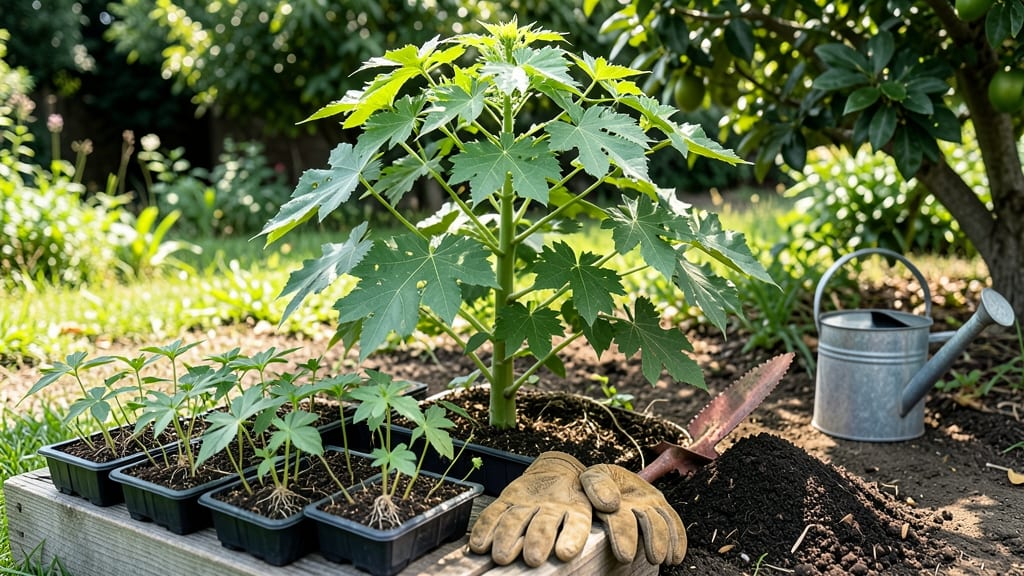
If you've ever stared at your garden calendar wondering "when to plant okra in Houston", you're not alone—this heat-loving 🌱 thrives when most other veggies are wilting. Houston's long, sweltering summers make timing everything, but getting it right means bountiful harvests from June through October.
The key is planting after the last frost (usually by mid-March) when soil temperatures hit 60°F—too early, and your okra will sulk in cool ground. But here's the secret: Houston's double planting windows (spring and fall) let you stretch harvests, even with our unpredictable spring showers.
I've grown okra here for years, and the difference between a 50-day harvest and a 75-day one comes down to soil prep, variety choice, and knowing when to avoid planting during heatwaves. Let me show you exactly how to nail those windows for zero-frost success.
From coastal humidity challenges to inland microclimates, we'll cover everything—so you can grow okra like a pro, no matter where in Houston you're planting. Ready to turn your garden into a pod-producing powerhouse?
Optimal okra planting timeline in Houston’s heat zone (8b)
Houston’s USDA Zone 9a climate creates a unique opportunity for growing okra—but timing is critical. Unlike cooler climates, okra thrives in warm soil and high temperatures, making early planting risky.
The ideal window spans March through May and August through September, aligning with Houston’s frost-free periods and heat tolerance.
Okra seeds need soil temperatures above 60°F to germinate properly. In Houston, this typically occurs by mid-March, but late February plantings are possible in microclimates with warmer soil. The key is balancing soil warmth with humidity levels, which can slow germination if too high.
For a continuous harvest, I recommend staggered planting every 2-3 weeks between March and May. This ensures fresh pods throughout the summer, even if early plantings struggle with heat stress or pests. Late-season plantings in August can extend harvests into October before cooler weather arrives.
Here’s a quick reference for Houston’s okra planting timeline, including soil temperature thresholds and frost risk:
| Month | Planting Window | Soil Temp (°F) | Frost Risk | Notes |
|---|---|---|---|---|
| February | Early (microclimates only) | 55-60°F | Low | Risk of slow germination |
| March | Primary window | 60-70°F | None | Best for early harvests |
| April | Peak window | 70-80°F | None | Ideal for prolific growth |
| May | Late spring | 75-85°F | None | Stagger for extended harvest |
| August | Late season | 70-80°F | Low (fall frost) | Harvest before October |
| September | Final window | 65-75°F | Moderate | Risk of early frost |
In Houston’s humid climate, okra planted in June or July may suffer from heat stress or pests like aphids. If you miss the spring window, focus on late August plantings for a fall harvest.
Always monitor soil moisture—okra hates soggy roots but needs consistent water during dry spells.
Pro tip: Use a soil thermometer to confirm temperatures before planting. If your soil is below 60°F, wait a week or two—okra won’t forgive cold soil! For container gardening, use black pots to absorb heat and speed up germination.
Once established, okra plants can handle Houston’s 90°F+ days, but mulching with straw helps retain moisture and regulate soil temperature. Avoid planting near large trees, which can create too much shade and reduce pod production.
For gardeners in coastal Houston (like Galveston), humidity is higher, so prioritize well-draining soil and spaced-out plantings to prevent fungal diseases. Inland areas like Katy or Conroe can plant slightly earlier
3 Critical factors that determine Houston okra success (and when to avoid planting)
Houston’s humidity and heat create unique challenges for okra growers. Unlike cooler climates, timing isn’t just about frost dates—it’s about matching your planting window to soil warmth, moisture balance, and pest pressure.
Get these three factors wrong, and your okra could bolt too fast, rot in the soil, or attract pests before it even establishes.
First, soil temperature is non-negotiable for okra. Seeds won’t germinate reliably until the soil reaches 60°F. In Houston, this typically happens by mid-March, but coastal areas may lag a week behind. Use a soil thermometer to confirm—planting too early in cool soil leads to slow germination and weak seedlings.
Critical Factor #1: Soil Temperature
- Minimum: 60°F for germination
- Ideal: 70-85°F for growth
- Houston Window: Mid-March to late May
- Risk: Cool soil = rot or failed sprouts
Second, humidity plays a double-edged sword. Houston’s muggy air helps okra thrive, but too much moisture early on invites fungal diseases like powdery mildew. Plant in well-draining soil and avoid overhead watering.
The best window? Start seeds indoors in late February, then transplant after the last frost (mid-January) but only when soil is warm enough.
Finally, pest timing matters. Okra attracts aphids and spider mites when stressed—usually during late summer heatwaves. To avoid this, stagger plantings: start one batch in March-April for early harvests, then another in August-September for fall production. This spread reduces pest pressure and extends your harvest season.
Pro tip: If you plant in June or July, expect slower growth due to Houston’s oppressive heat. Mulch heavily to retain moisture and protect roots. Avoid planting after mid-September—okra needs 60-75 days to mature, and cooler fall temps will stunt growth.
Remember, okra is a heat-loving annual, not a cool-season crop. Push the limits, and you’ll end up with bitter pods or no harvest at all. Stick to these three factors, and you’ll enjoy fresh okra from June through October—just in time for Houston’s hottest months! ☀️