
Plants
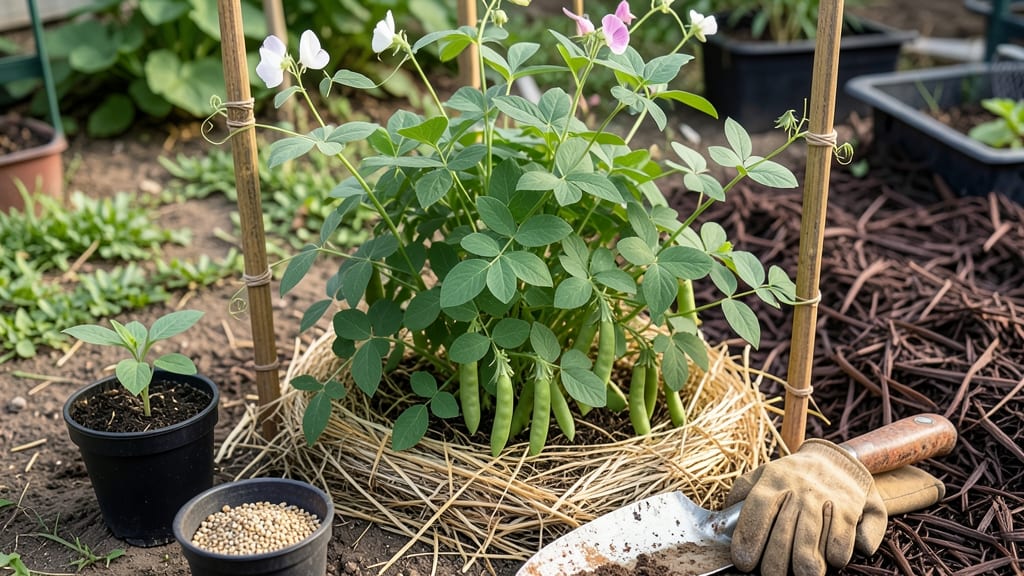
Timing your pea planting in New Hampshire isn't just about checking a calendar—it's about reading the soil's secret signals.
Those crisp, sweet 🌱 peas you crave won't thrive if planted too early or late, especially when New Hampshire's 5b-6b climate can swing from frost to heatwaves faster than you can say "garden season."
The key to success lies in waiting for soil temperatures to hit that sweet spot of 40°F—not air temperature, which can fool even seasoned gardeners.
Plant too soon, and your peas will sulk in the cold; wait too long, and you might miss the prime window for that first harvest in June. I'll show you exactly when to put those seeds in the ground for maximum growth and flavor.
But here's the twist: New Hampshire gardeners get two chances a year to grow peas—early spring and late summer. Each window has its own rules, from avoiding pea aphids to working with your local microclimate.
Whether you're a first-timer or a veteran gardener, these zone-specific deadlines and soil tricks will help you turn your garden into a pea-producing powerhouse.
Ready to stop guessing and start growing? Let's dive into the exact dates, soil tests, and planting hacks that will have your peas thriving from March through October—no matter what New Hampshire throws your way.
Pea planting deadlines in New Hampshire: exact dates by zone and variety
New Hampshire’s USDA Zones 3b-5b create unique challenges for pea growers, where last frost dates can vary by 2-3 weeks between coastal and inland areas. Unlike heat-loving crops, peas thrive in cool temperatures and even tolerate light frosts, but timing is critical to avoid pea aphid outbreaks and maximize yields.
For most of New Hampshire, the ideal planting window opens 4-6 weeks before your average last frost date.
Inland areas (like Concord or Manchester) typically aim for mid-April to early May, while coastal regions (like Portsmouth or Dover) can start 2-3 weeks earlier due to milder microclimates.
Late summer plantings for fall harvests should begin 8-10 weeks before your first frost—usually late July to early August.
Here’s the comparison table breaking down exact deadlines by variety and microclimate:
| Variety Type | Inland NH (Zones 4-5b) | Coastal NH (Zones 3b-4) | Notes |
|---|---|---|---|
| Early Peas (e.g., 'Early Perfection') | March 15 - April 1 | March 1 - March 20 | Cold-hardy; use row covers for extra protection. |
| Mid-Season Peas (e.g., 'Green Arrow') | April 10 - April 30 | March 20 - April 5 | Best for succession planting every 2 weeks. |
| Late Peas (e.g., 'Wando') | April 20 - May 10 | April 5 - April 20 | Heat-tolerant; avoid planting after May 15. |
| Fall Peas (e.g., 'Oregon Sugar Pod') | August 1 - August 15 | July 20 - August 5 | Plant in well-drained soil; harvest before first frost. |
If you’re unsure about your last frost date, check the NH State Climate Office or use a local garden center’s 10-year averages. For example, Laconia’s last frost is typically April 25, while Portsmouth’s is May 5.
Planting too early can stunt growth, while waiting too long risks pea weevils and reduced yields.
Pro tip: Use biodegradable row covers to extend your planting window by 2-3 weeks in early spring or late fall. These lightweight fabrics protect seedlings from wind, pests, and light frosts while allowing sunlight and water through. Just remove them when flowers appear to encourage pollination.
For container gardening, start peas indoors 4-6 weeks before your target outdoor date. Use 4-inch pots with well-draining soil and place them near a south-facing window or under grow lights. Transplant seedlings outdoors after hardening off for 7-10 days.
Remember, peas are fast growers—most varieties reach maturity in 55-75 days. Stagger your plantings every 2 weeks for a continuous harvest from June through October, depending on your planting schedule. This strategy ensures you’re never overwhelmed with peas at once and maximizes your garden’s productivity.
🌱
Soil temperature rules for peas: the 40°F threshold and how to test it
Peas are famously cool-season crops, but their success hinges on one critical factor: soil temperature. Unlike air temperature, which can fluctuate wildly in New Hampshire, the soil must stay consistently above 40°F for peas to germinate and thrive.
Planting too early in cold soil leads to rotten seeds or stunted seedlings, while waiting too long risks pea weevils and reduced yields.
Most gardeners focus on air temperature, but peas care more about what’s happening 2-3 inches below the surface. A chilly morning might feel perfect for planting, but if the soil is still below 40°F, your seeds will sit dormant—or worse, rot.
This is why soil thermometers are your best friend when timing pea plantings in NH.
Planting peas in soil below 40°F causes:
- Poor germination (seeds rot instead of sprouting)
- Blackened stems (fungal diseases like Fusarium)
- Stunted growth (plants waste energy warming soil)
Use row covers or black plastic mulch to warm soil faster if you’re eager to plant early.
Testing soil temperature is simpler than you think. A $10 soil thermometer (available at garden centers or online) gives instant readings. Stick it 2-3 inches deep in a shady spot—peas prefer 60-70°F soil for optimal growth, but they’ll tolerate 40-50°F for germination.
Check temperatures in the late afternoon when soil is warmest, as morning readings can be misleadingly cold.
If your soil is still too cold, try these tricks to speed up warming:
- Black plastic mulch (raises soil temp by 5-10°F)
- Clear plastic tunnels (like mini greenhouses)
- Compost piles nearby (radiates heat into soil)
- South-facing beds (absorb more sunlight)
For container gardening, use heat-retaining pots (like fabric grow bags) and place them on black plastic trays to absorb sunlight. Peas in pots dry out faster, so monitor soil moisture closely—consistent dampness (not sogginess) is key for germination.
Once your soil hits 40°F, don’t delay! Peas germinate best in 55-75°F soil, and the window between 40°F and 80°F is ideal. If temperatures climb above 85°F, peas bolt (flower prematurely), so time your late-summer plantings for fall’s cooler days.
A quick soil check every 3-4 days ensures you’re planting at the perfect moment.
🌡️